Linguistic Adventures: The Complete Story of Pirate and Shakespearean Languages in Minecraft
- Android: 8,0+🕣 Updated
- CategoryInstructions
![Linguistic Adventures: The Complete Story of Pirate and Shakespearean Languages in Minecraft]()

Our journey through Minecraft's secrets is coming to its logical conclusion. In the article "Hidden Treasures of Minecraft: Part 2 — More Secrets from the Developers", we mentioned that the game not only speaks dozens of real languages but also some very unusual dialects. Today, we’ll set aside swords and pickaxes, grab our dictionaries, and discover how Mojang turned localization into a platform for sophisticated humor.
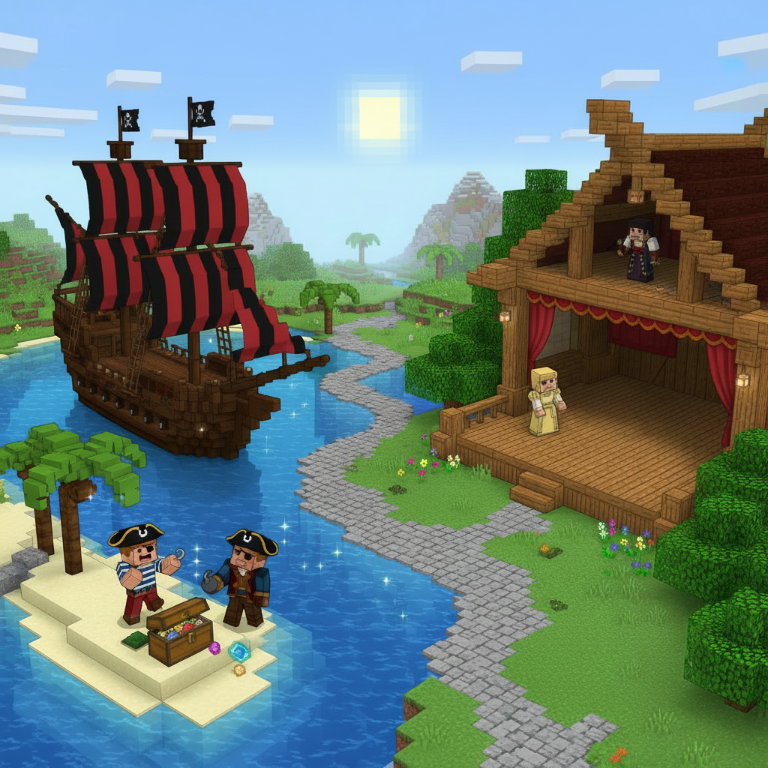
Why does the game need fictional languages?
Minecraft is renowned for its accessibility: the game has been translated into over 100 languages, including Esperanto and Klingon. But among this linguistic diversity, there are special gems added by the developers just for fun.
The introduction of humorous languages — is a great example of how Mojang keeps the atmosphere lighthearted, even in seemingly mundane menu settings. It’s not just a text translation but a complete mood shift, turning the familiar interface into a role-playing adventure.
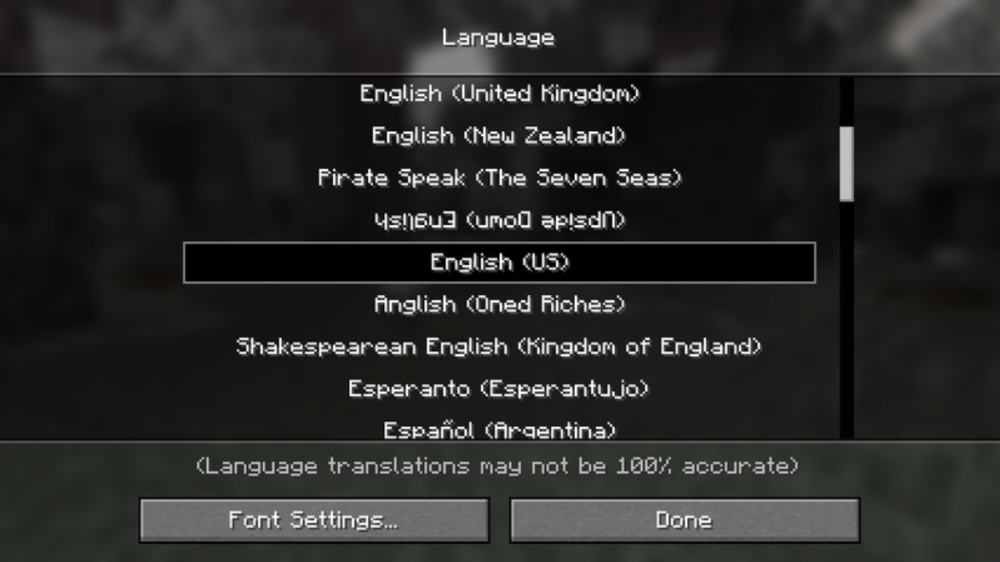
"Pirate Speak": Yo-ho-ho and a bottle of potion!
When it appeared: This language pack was added in update 1.1 (January 2012).
What it’s аbout: If you select "Pirate Speak" in the language settings, all the text in the game transforms, immersing you in the world of sea rogues.
- The "Singleplayer" button becomes "Lonely Voyage".
- "Multiplayer" turns into "Play with yer Mates".
- Swords are called "Cutlass", and torches — "Rod o' Flames".
- Even death messages become pirate tales: instead of "You died!" you’ll see "Yar old news" or "Walked the Plank".
This language became a hit among players. Many enable it just for fun, to refresh their gaming experience and laugh at the amusing item names.
"Shakespearean English": To be or not to be... square?
When it appeared: This refined version of English was added later, in version 1.6.1 (July 2013).
What it’s аbout: "Shakespearean English" transports players to the Elizabethan era. All names and texts are styled in the Old English of the great bard’s time.
- Instead of the usual "Wood", you’ll see "Timber" or more poetic names.
- Helmet becomes "Casque", and leggings — "Greaves".
- Chat and menu messages become deliberately polite and elaborate, using pronouns like "thou" and "thee".
This language pack adds a theatrical and noble touch to the game. Playing with it — is like participating in a historical reenactment, but with creepers and zombies.
Other linguistic Easter eggs
Besides pirates and Shakespeare, the language menu hides other surprises:
- LOLCAT: The language of internet cat memes. All text is written with intentional errors and in "cat slang" (e.g., "Cheezburger" instead of food).
- Upside Down: Inverted English. All text in the game is literally flipped upside down (?l?? ?????), making navigation a real challenge.
Impact on the community
These language packs — are more than just jokes. They showcase the platform’s openness to community creativity, as many translations are created and maintained by volunteers on the Crowdin platform.
- Learning through play: For many players learning English, switching to "Pirate Speak" or "Shakespearean English" becomes a fun way to pick up new (albeit specific) words and idioms.
- Content: YouTubers often use these languages for challenges ("Complete Minecraft without understanding the menu") or themed Let's Plays.
Conclusion: A Play on Words
Minecraft teaches us not only to build and survive but also to smile. The pirate and Shakespearean languages remind us that even in a serious game, there’s always room for wordplay and good-natured irony. So next time you’re bored with the usual interface, try changing the language — and perhaps your next adventure will become a true poem or a thrilling pirate tale!
- publishedMceadmin
(Google Ads) Privacy Policy and Terms of Use


