Pistons in Minecraft: The History of Creation and a Revolution in Game Mechanics
- Android: 8,0+🕣 Updated
- CategoryInstructions
![Pistons in Minecraft: The History of Creation and a Revolution in Game Mechanics]()

It’s hard to imagine modern Minecraft without complex mechanisms, automatic farms, and hidden doors. However, it wasn’t always like this. For a long time, players could only dream of movable blocks until one of the most important engineering elements — the piston — appeared in the game. This block forever changed the approach to building and survival, turning the sandbox into a true platform for inventors.
From a Player Mod to an Official Release
The history of the piston is unique because it wasn’t created by Mojang developers. Initially, this mechanism was designed as a third-party modification by a talented player known as Hippoplatimus. The mod quickly gained incredible popularity within the community. Players were thrilled with the new possibilities for moving blocks.
The development team quickly noticed the mod’s success. They realized that the concept fit perfectly with the spirit of the game, expanding creative boundaries while maintaining balance. As a result, on June 30, 2011, with the Beta 1.7 update, pistons were officially integrated into the base version of Minecraft. This decision marked a turning point, showing how much the community can influence the development of their favorite game.
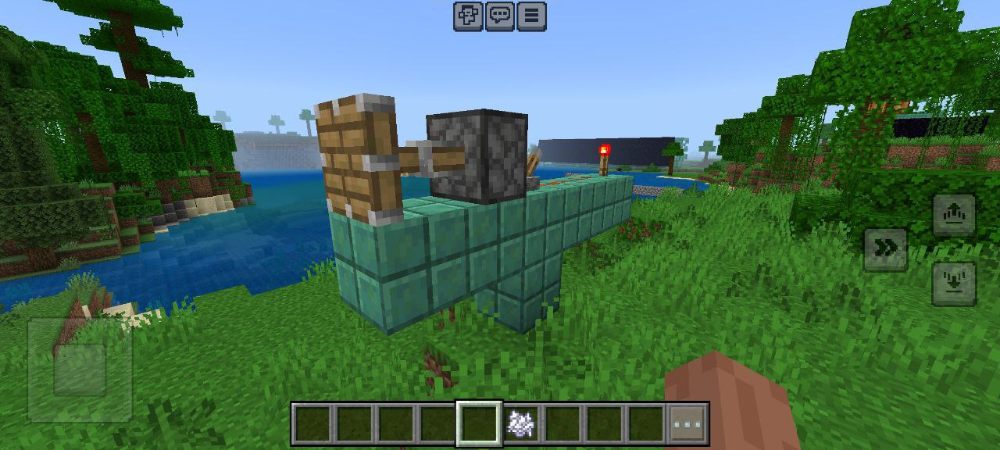
How Pistons Work: The Mechanics
A piston — is a block capable of pushing other objects when receiving a redstone signal. Developers added two variants of this mechanism, each serving its own purpose:
- Regular Piston: Extends its wooden surface, pushing the block in front of it one cell forward. When the signal is turned off, the block remains in its new position.
- Sticky Piston: Created by adding a slime ball to a regular piston. It not only pushes blocks but also pulls them back when powered off.
A single mechanism can move a chain of up to 12 blocks at once. However, there are limitations to maintain balance. You cannot move extremely durable materials like obsidian or bedrock, nor blocks with inventories, such as chests and furnaces.
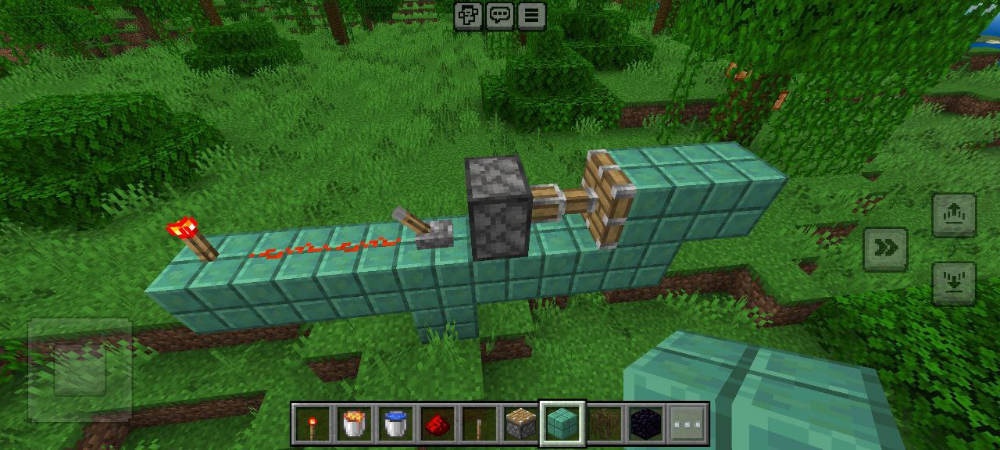
Impact on the Community and In-Game Applications
The introduction of movable blocks caused a real revolution among Minecraft fans. Players gained a tool that allowed them to automate routine tasks and create astonishingly complex constructions. Here are just a few of their uses:
- Farm Automation: Harvesting sugarcane, bamboo, or melons no longer requires manual labor. Mechanisms knock down grown plants, which are then washed into hoppers by water.
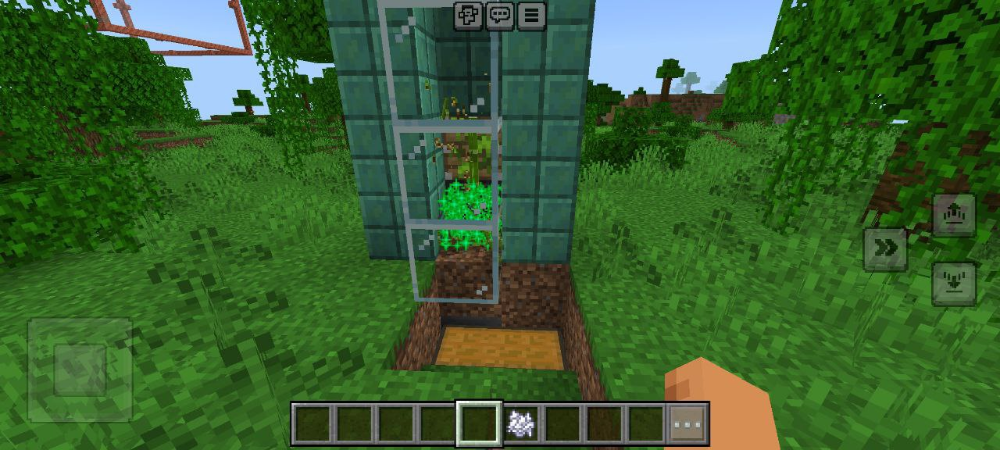
- Secret Bases: Creating hidden passages behind bookshelves or waterfalls has become a favorite activity for many builders.
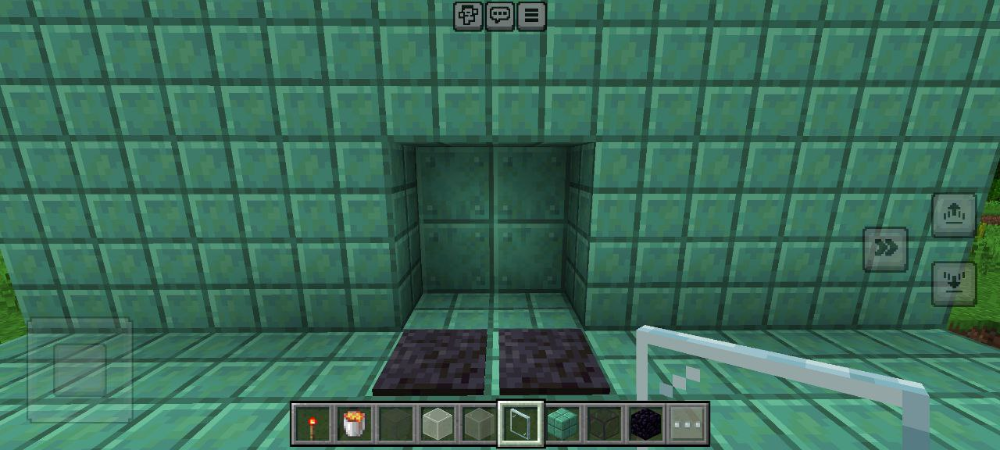
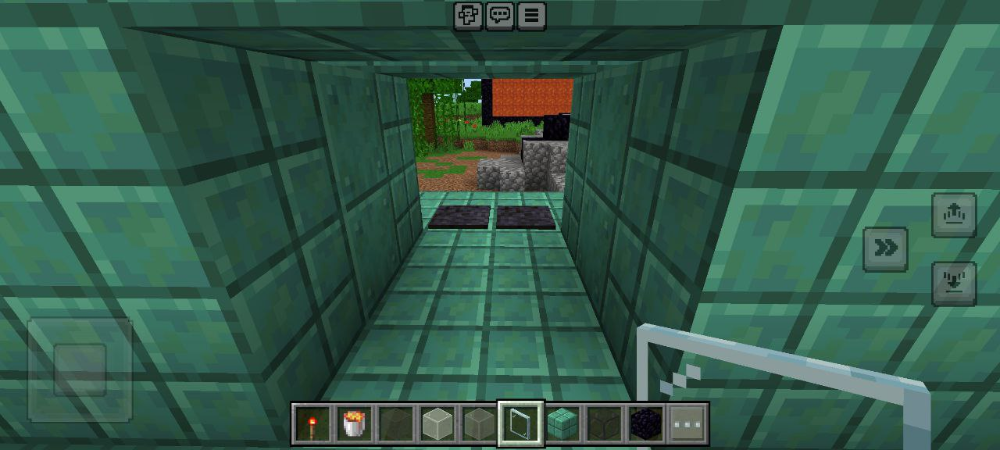
- Transportation and Elevators: Thanks to the combination of slime and sticky pistons, players construct flying machines and fast vertical elevators.
- Complex Circuits: The mechanism has become an integral part of massive projects — from in-game clocks to fully functional calculators and processors.
Conclusion
The addition of pistons in Beta 1.7 was a brilliant example of how a seemingly simple mechanic can greatly expand creative horizons. This block turned ordinary builders into engineers and gave the community thousands of hours of fascinating experimentation.
What’s the most complex or unusual mechanism you’ve created using pistons? Share your projects and ideas in the comments — we’re eager to hear about your experience!
- publishedMceadmin
(Google Ads) Privacy Policy and Terms of Use


