Underwater Dynamite in Minecraft: Explosive Innovations at Depth
- Android: 8,0+🕣 Updated
- CategoryInstructions
![Underwater Dynamite in Minecraft: Explosive Innovations at Depth]()

The oceans in Minecraft have always been full of mysteries, treasures, and dangers. For a long time, players faced a significant problem: underwater, regular explosives lost their primary function. Water absorbed block damage, leaving the landscape untouched. But thanks to the game's educational mode, we now have access to a unique tool — underwater dynamite. Let’s explore how this mechanic works and how it changes the approach to exploring the ocean depths.
Why were changes needed?
If you’ve ever tried to clear space for an underwater base or break into an underwater fortress, you know how tedious the process can be. A regular TNT block damages underwater creatures but doesn’t destroy blocks. Players had to use complex mechanisms of sand, sponges, and pistons to temporarily remove water and create an explosion. The introduction of chemical elements and underwater dynamite solved this problem, providing an elegant and powerful way to terraform the ocean floor.
Element Constructor: Your Path to Chemistry
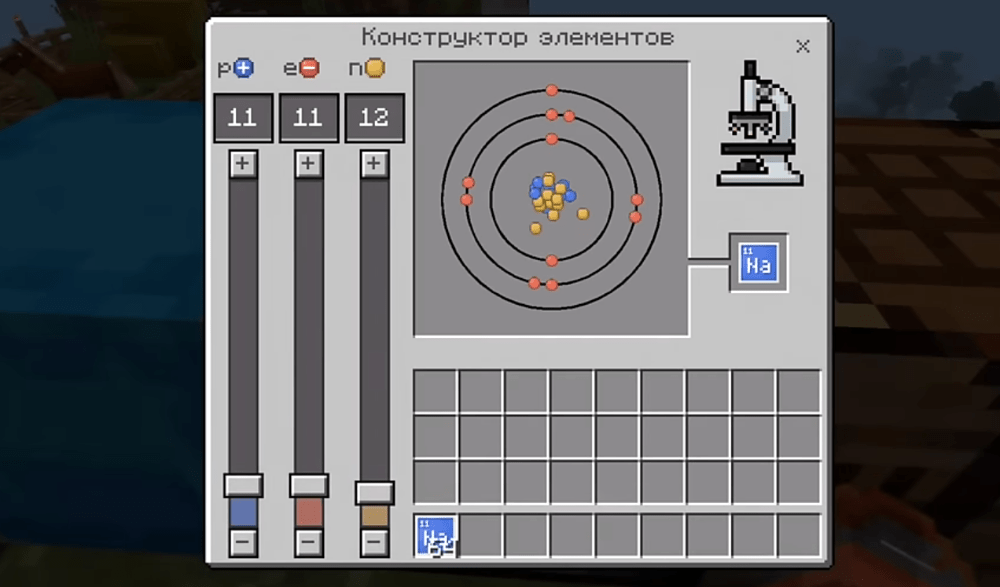
To create underwater dynamite, you’ll need a special block — the Element Constructor. This is a unique workstation available if you enable the «Education Edition» feature in your world settings (in the Bedrock version).
The Element Constructor allows you to assemble real chemical elements by combining protons, neutrons, and electrons. You can access this table in the creative mode inventory after enabling educational features. This is where the magic of creating new materials begins.
How to Create Underwater Dynamite
The process of creating underwater explosives is surprisingly simple if you have the necessary ingredients. You’ll need just two components:
- Sodium (Na) — a chemical element that can be obtained in the Element Constructor by setting 11 protons, electrons, and 12 neutrons.
- Regular TNT — a standard dynamite block made from sand and gunpowder.
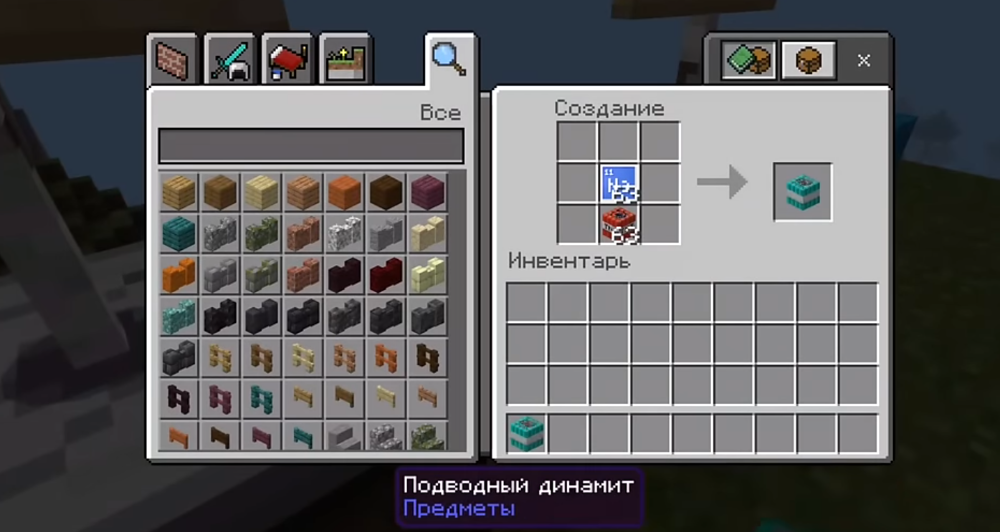
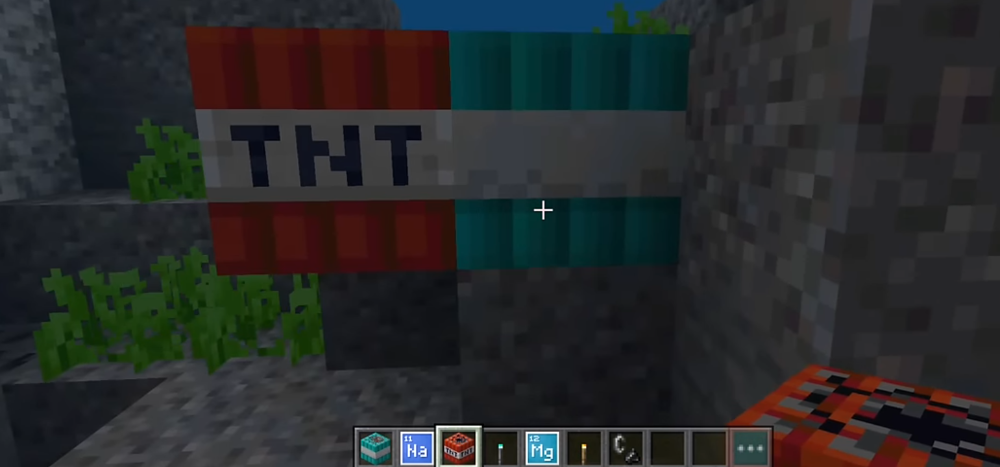
Open a regular crafting table and place the sodium block directly above the TNT block. As a result, you’ll get underwater dynamite. Visually, it differs from the classic version with a blue ribbon labeled «TNT».
In-Game Use: Building and Destroying
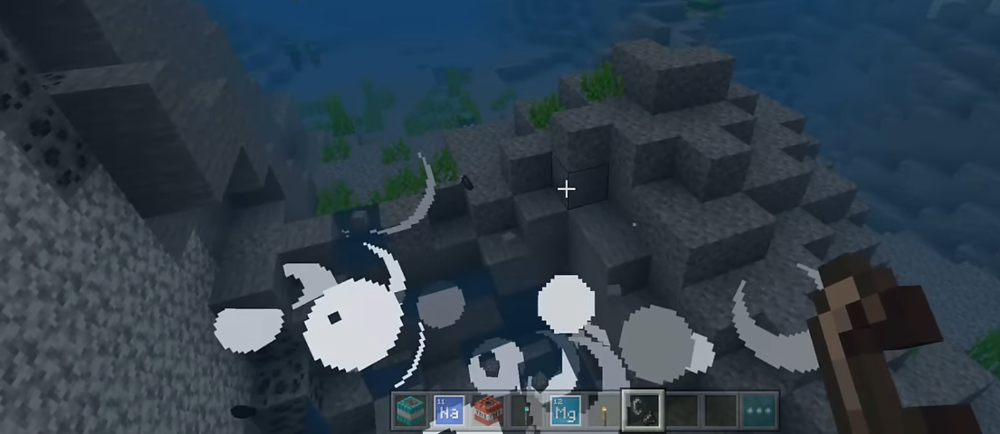
The main feature of underwater dynamite is that when it explodes underwater, it destroys blocks just like regular TNT does on land. This opens up many new possibilities:
- Quick resource extraction: Destroy prismarine deposits in underwater monuments without the tedious process of mining them with a pickaxe under fatigue effects.
- Base construction: Instantly clear large areas of the seabed from gravel, sand, and stone to build glass domes and underwater cities.
- Treasure hunting: Efficiently open sunken ships and ocean ruins without wasting time on manual excavation.
This dynamite is simple to use: place it underwater and activate it using any standard method — with a flint and steel, redstone, or a flaming arrow.
Share Your Thoughts
Underwater dynamite is an excellent example of how chemical elements can seamlessly integrate into gameplay, making it deeper and more engaging. It saves hours of routine work and allows you to focus on creativity and exploration.
How do you use underwater dynamite in your worlds? Has it helped you build large-scale underwater projects, or have you found another innovative use for it? Share your stories and ideas in the comments!
- publishedMceadmin
(Google Ads) Privacy Policy and Terms of Use


![Chicken Gun [Null's]](/uploads/mini/scroll-rel/63/1693986698_icon.png)


