Virtual Chaos in Sweden: How an Attack on a Digital City in Minecraft Became Legendary
- Android: 8,0+🕣 Updated
- CategoryInstructions
![Virtual Chaos in Sweden: How an Attack on a Digital City in Minecraft Became Legendary]()

The world of Minecraft is full of stories about incredible builds, epic adventures, and, of course, the destructive creativity of players. One such story, which has almost become a legend, took place on a server where an exact replica of a Swedish city was created. This ambitious project faced a massive attack that forever entered the community's history as a vivid example of the clash between creation and chaos.
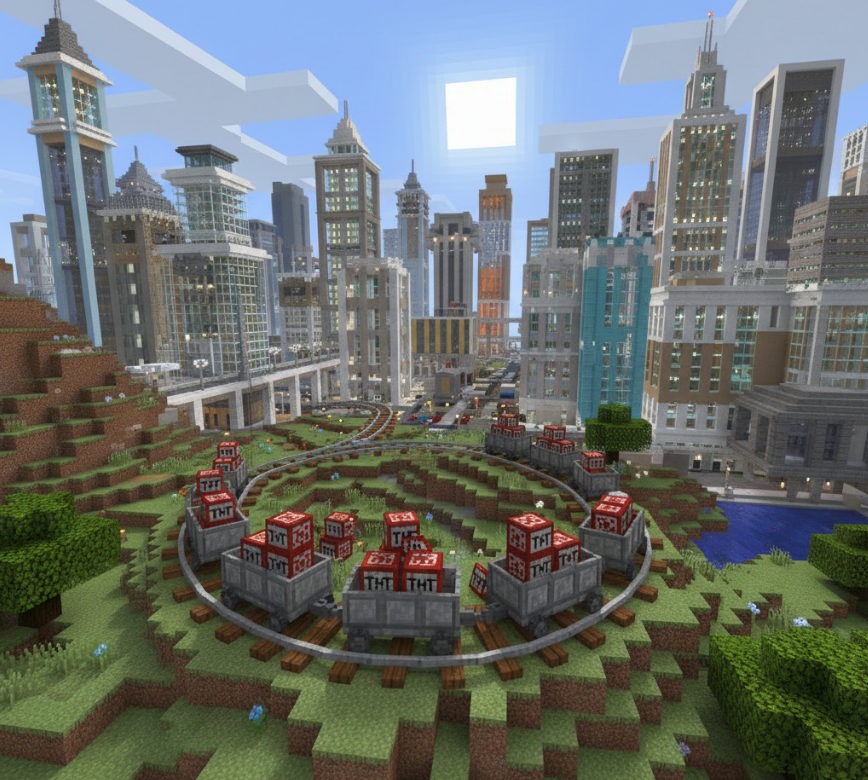
Next-Level Urban Planning: The "Block by Block" Project
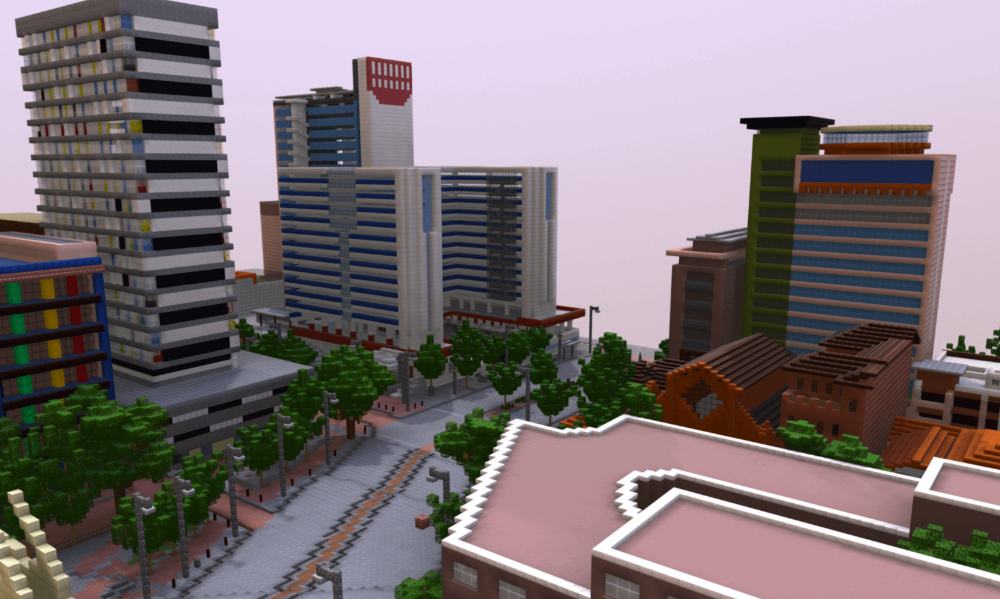
It all started with a noble goal. The server with the replica of the Swedish city of Malmö was part of a global initiative called "Block by Block". This project, launched by Mojang developers in collaboration with the UN, used Minecraft as a tool for urban planning. The idea was simple and brilliant: to give residents, including young people, the opportunity to rebuild and improve their real neighborhoods in a virtual space. By creating a digital copy of the city, the organizers aimed to gather fresh ideas for improving public spaces, which could then be implemented in real life.
The TNT Minecart Attack: When Creativity Meets Griefing
In the summer of 2019, interest in the project skyrocketed — both among building enthusiasts and players inclined toward destruction, known as griefers. It was in July 2019 that a coordinated attack on the server took place. The attackers exploited insufficiently strict access settings and the lack of restrictions on the use of certain game objects.
The griefers first gained access to materials for crafting explosives and then launched TNT-filled minecarts en masse along the railway tracks. The vulnerability lay in the fact that the server did not limit the launch of large numbers of such minecarts, and the system did not immediately respond to the sudden increase in load and destruction events. The attack was carried out quickly and efficiently: dozens of explosive-laden minecarts raced through the streets of virtual Malmö, leaving craters and destroying even the most meticulously crafted buildings.
The consequences were striking. Part of the digital city, which had taken hundreds of hours to create, was reduced to ruins. This incident vividly demonstrated the vulnerability of open online worlds to those who seek to destroy rather than create. For many, it was a bitter lesson about the need to anticipate protective measures against destructive behavior, even in the most positive projects.
Rebuilding and Lessons Learned: How the Server Came Back to Life
Despite the scale of the destruction, the organizers did not give up. The server was temporarily shut down, and the team began the rebuilding process. Using backups of the world, they managed to restore virtual Malmö to its original state. However, simply restoring the buildings was not enough.
This incident forced administrators to seriously reconsider security measures. Stricter rules and restrictions on the use of explosive items by regular players were introduced. The moderation team was strengthened to respond quickly to any griefing attempts. The project was not only restored but also made more secure.
This story is not just about explosions in a game. It is about how the Minecraft community faces challenges and finds solutions, continuing to move forward. The attack on virtual Malmö became an important reminder of the balance between creative freedom and the need for order.
What do you think about this? Have you encountered griefing on servers, and how do you think large-scale projects can be better protected from such attacks? Share your thoughts in the comments.
- publishedMceadmin
(Google Ads) Privacy Policy and Terms of Use


