From «Cave Game» to Global Legend: The Story of Minecraft's Creation
- Android: 8,0+🕣 Updated
- CategoryInstructions
![From «Cave Game» to Global Legend: The Story of Minecraft's Creation]()

Minecraft is not just a game. It is a cultural phenomenon that forever changed the gaming industry. It’s hard to believe that this virtual world, made of cubic blocks, started as a modest experiment by one person. Today, we’ll dive into the story of this masterpiece, explore the key stages of its evolution, and learn how an indie project became the best-selling game of all time.
Sparks of Inspiration: How the Idea Was Born
In early 2009, Swedish programmer Markus Persson, better known in the gaming community as Notch, was searching for inspiration for his new project. He was working on several prototypes, but the real breakthrough came with the game Infiniminer. It was a competitive resource-mining game built on blocky graphics. Notch saw immense potential in it but wanted to shift the focus: instead of competition, he dreamed of free creativity and exploration.

Also inspired by the simulation depth of Dwarf Fortress and the atmosphere of Dungeon Keeper, Persson decided to create a hybrid: an open-world RPG where the landscape could be altered at will. He wanted to give players complete freedom — no instructions, just you and an endless world.
Development Evolution: From Cave Game to Version 1.0
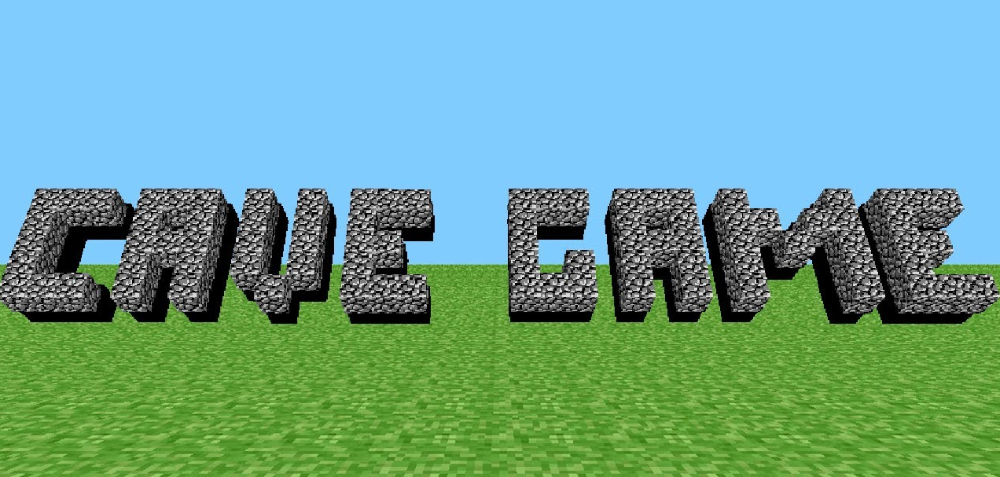
Development began on May 10, 2009. The very first version was simply called "Cave Game." It had no survival, monsters, or crafting — just grass, stone, and the ability to place or break blocks. But even in this primitive form, the concept was captivating.
The Path to Perfection:
Minecraft's development was revolutionary for its time. Notch chose the «early access» model long before it became a standard on Steam.
- Classic and Indev: Basic mechanics were introduced first. In the Indev (In Development) version, inventory, crafting, and lighting were added.
- Infdev (Infinite Development): A turning point. The world became infinite. Procedural generation began creating unique landscapes as we know them today.
- Alpha: This is where the «Nether», biomes, and redstone were introduced. The game started gaining depth.
- Beta: The focus shifted to polishing, adding elements like beds, weather, and hunger.
- Official Release 1.0: On November 18, 2011, at the MineCon convention, the game officially exited beta testing. It was a triumph of indie development.
This update structure allowed players to feel like co-creators. The community suggested ideas, found bugs, and created mods, many of which were later integrated into the official game (like horses or pistons).
Why It Worked: The Secret of Success
Minecraft's success lies in its unique approach to gameplay. The developers rejected linear storytelling. Instead of guiding the player, the game challenged them: «Entertain yourself».
- Creativity: It’s digital LEGO. The ability to build anything, from a hut to an exact replica of the «Death Star», attracted creative minds.
- Fear and Survival: The first night in Minecraft is an experience every gamer remembers. The sounds of zombies and the need to quickly build a shelter created unique tension.
- Accessibility: The blocky graphics, which initially seemed primitive, turned out to be a brilliant solution. They allowed the game to run on low-end computers and made the world understandable and readable.
Impact on the Industry and Players
Minecraft redefined what a video game could be. It proved that graphics aren’t the most important thing, but gameplay and freedom of action are. The project gave rise to the «survival sandbox» genre, which dominated the industry for the next decade.
Moreover, the game became a driving force for YouTube. Let’s Plays, tutorials, and mod reviews created a massive content ecosystem. For millions of players, Minecraft was not just entertainment but a meeting place with friends, a platform for learning programming (through Redstone and command blocks), and a canvas for self-expression.
Conclusion
The story of Minecraft is an inspiring example of how a simple yet brilliant idea can grow into a global universe. From the first lines of code written in spare time to the billion-dollar deal with Microsoft, this journey was made possible by the developers' passion and the community's love. The game continues to evolve, receiving new biomes and mechanics, but its heart remains the same: it’s a world where anything is possible.
Do you remember your first house in Minecraft? Was it a dirt bunker or a wooden box? Share your memories in the comments — we’d love to hear your story!
- publishedMceadmin
(Google Ads) Privacy Policy and Terms of Use


