From Pixels on PC to Blocks in Your Pocket: How Minecraft Conquered the Mobile World
- Android: 8,0+🕣 Updated
- CategoryInstructions
![From Pixels on PC to Blocks in Your Pocket: How Minecraft Conquered the Mobile World]()

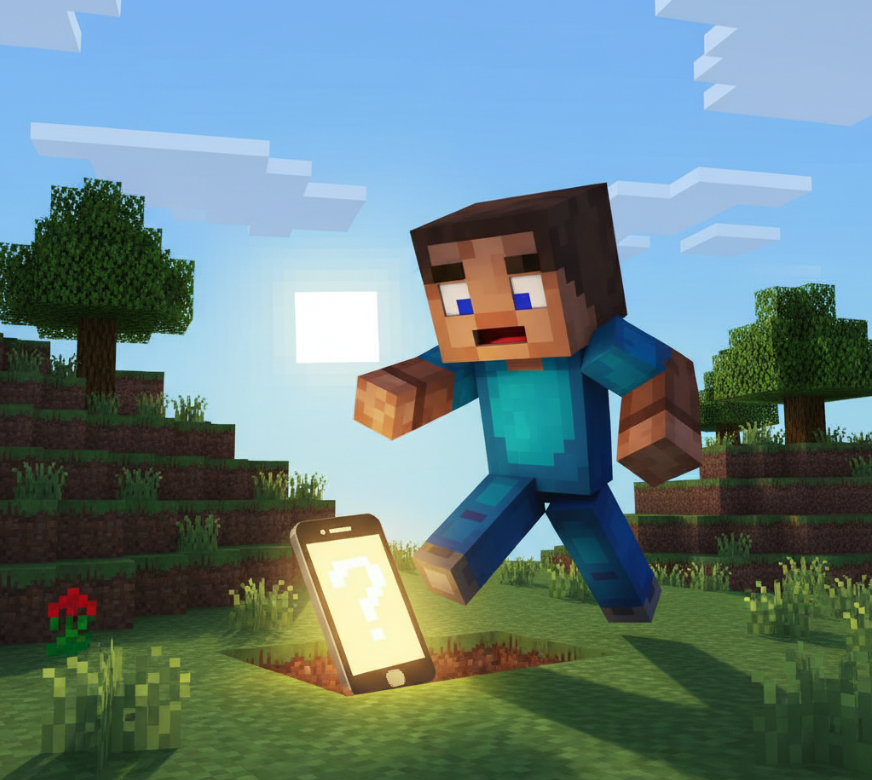
Minecraft, a game that defined a generation and became a cultural phenomenon, started as a modest project for personal computers. Today, it can be played on almost any device, including smartphones and tablets. Let’s explore how this transition happened, why it was necessary, and how it forever changed the world of Minecraft.
The Path to Mobility: Why Did Minecraft Need a Phone?
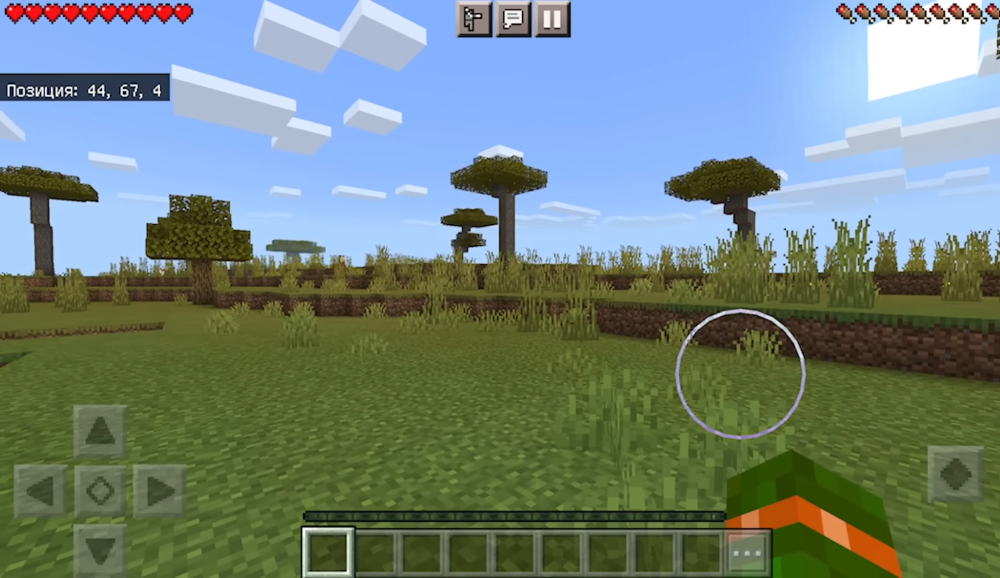
Initially released for PC in 2011, Minecraft quickly gained massive popularity. Mojang’s developers saw immense potential in expanding their audience. At the same time, the mobile gaming industry was booming. Smartphones were becoming more powerful, and their screens — larger. Bringing the game to mobile devices was a logical step that pursued several goals:
- Accessibility: Make Minecraft available to those without a powerful gaming PC.
- Convenience: Allow players to build, explore, and survive anywhere, anytime.
- Expanding the audience: Attract millions of new players who preferred mobile gaming.
Thus, on August 16, 2011, Minecraft: Pocket Edition was released for Android, followed shortly by its iOS version on November 17. It wasn’t just a copy of the PC version but a specially adapted product.
A New Version Structure: The Era of Bedrock Edition
Initially, Pocket Edition was a significantly stripped-down version. Worlds were smaller, the number of blocks and mobs — limited, and mechanics — simplified. However, over time, the mobile version actively evolved, gaining more content and features from the "big sister," the Java Edition (PC version).
A key moment came in 2017 when Mojang introduced the Better Together Update. This update marked the birth of Minecraft: Bedrock Edition. The new version unified mobile, console (Xbox One, Nintendo Switch), and Windows 10 editions into a single ecosystem.
What did this change for players?
- Cross-platform multiplayer: Players on smartphones, consoles, and PCs (Windows 10) could play together on the same servers. This broke down barriers between platforms.
- Unified updates: All Bedrock Edition versions began receiving updates simultaneously, ensuring synchronized content for all players.
- Minecraft Marketplace: An integrated marketplace emerged where players could purchase skins, maps, and textures created by both developers and the community.
Impact on the Gaming Community
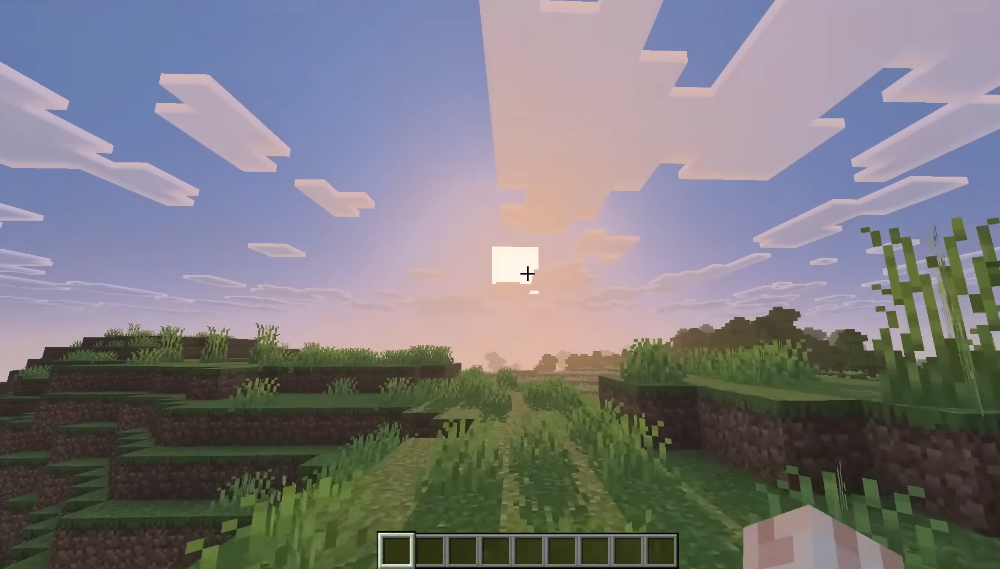
The transition to mobile platforms and the creation of Bedrock Edition had a massive impact on the Minecraft community. The game became even more widespread and social. The ability to play with friends regardless of their device strengthened bonds within the community. For many, Pocket Edition was their first entry point into the world of Minecraft, opening up endless possibilities for creativity and adventure.
Today, Minecraft on mobile devices — is a full-fledged version of the game that is almost on par with its PC counterpart. This journey from a PC-exclusive to a universal cross-platform game shows how developers adapted to a changing market and made their product truly accessible to everyone.
How did you discover Minecraft? Was it the classic Java version on PC, or did you start your journey with Pocket Edition on your phone? Share your stories in the comments!
- publishedMceadmin
(Google Ads) Privacy Policy and Terms of Use


