Blockade: a cubic world where survival means everything
- Android: 8,0+🕣 Updated
- CategoryInstructions
![Blockade: a cubic world where survival means everything]()

Among sandbox games, some projects do more than copy familiar ideas — they try to rethink them in their own way. Blockade is one of them. It is a multiplayer cubic game that blends building, survival, world exploration, and battles with other players. At first glance, it may resemble genre classics, but a closer look makes it clear: the project has its own rhythm, focus, and audience.
For many players, this project became a way to get the familiar freedom of action, but in a more combat-driven and competitive format. That is exactly why interest in the game remains strong even years after its release.
How it started: the road to its audience
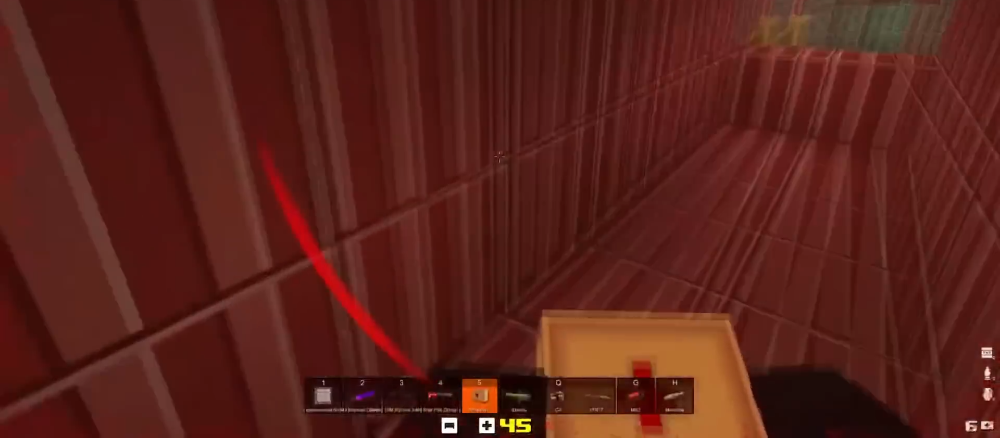
The game was released in 2014 and quickly caught the attention of fans of cubic worlds. By the time it launched, the genre was already well known, so the new project needed more than just a market entry — it had to offer something that could keep players engaged. The bet was placed on a mix of simple visuals, easy access, and active multiplayer.
It became especially noticeable among players looking for a more dynamic experience. While some sandbox games focus on calm exploration and creativity, here the emphasis often shifts toward combat, resource protection, and interaction with other people on the server. Because of this, the project felt closer to players who enjoy not just building, but also staying constantly on edge.
More than building: what the gameplay is about
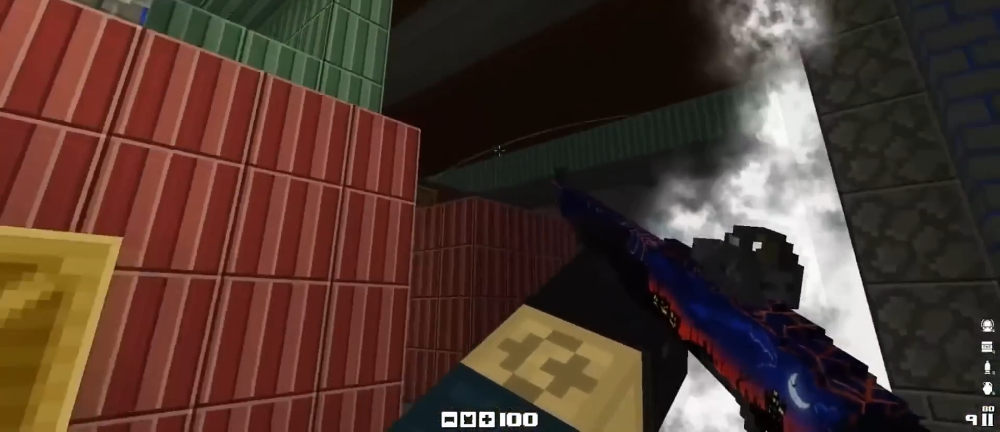
The core of the gameplay is resource gathering, construction, crafting, and the fight for survival. The player starts with basic tasks: explore the area, collect materials, strengthen your position, and gradually develop your own base. However, this process is not always peaceful.
Multiplayer plays a key role here. The world becomes an arena where other players can be either allies or threats. This shapes the playstyle: you have to think not only about supplies and building, but also about defense, tactics, and speed of decision-making. As a result, the familiar sandbox formula takes on a sharper edge.
Another feature is its clear visual style. The cubic graphics make the game recognizable and easy to read, while the gameplay itself remains accessible even to newcomers. At the same time, simple form does not prevent depth: it is exactly these basic mechanics that create interesting situations, especially on active servers.
Similar, but not the same: comparing it to Minecraft
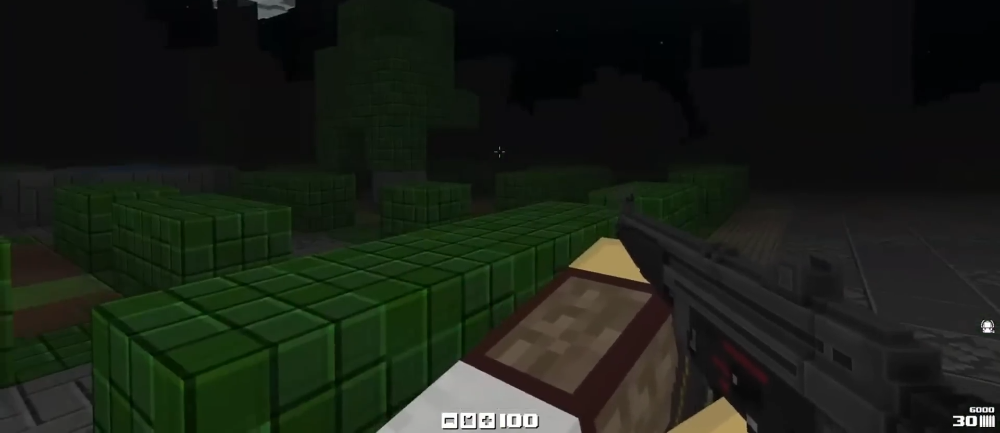
The similarity to Minecraft is obvious right away. Both games use a cubic style, offer freedom of action, and let players gather resources, build structures, and explore the world. In both, player independence matters: no one leads you by the hand, and the main story grows out of your decisions, discoveries, and encounters with the environment.
But the differences are just as noticeable. Blockade is more often seen as a game focused on PvP and online interaction. The pace is faster, the competition is tougher, and the pressure from other players is more tangible. Where Minecraft is often associated with creativity, calm survival, and broad possibilities for solo play, this project leans into a tense online experience.
There is also a difference in atmosphere. In one game, you can spend hours building a complex house or farm, while in the other it matters more to fortify quickly, protect resources, and stay ready for an attack. It is this shift toward intensity that makes the project appealing to a specific part of the audience.
Why players remember the game
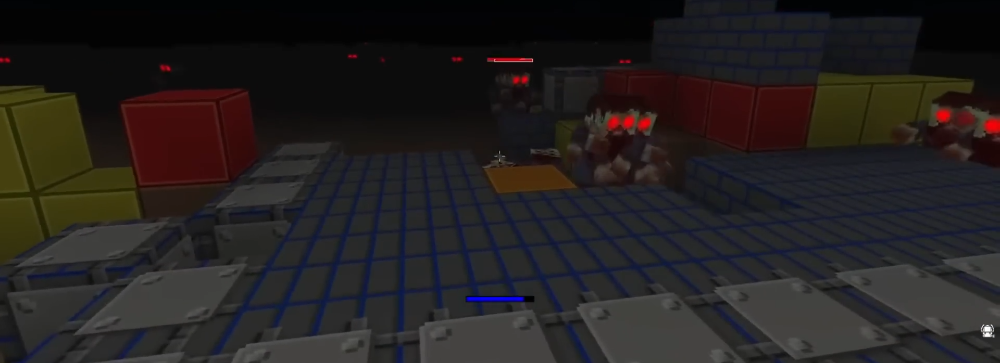
The project’s impact on players is tied above all to its accessibility and competitive spirit. It gave many users a chance to try a cubic sandbox in a format where every decision feels important. For some, it was their first step into the genre; for others, it became an alternative to more meditative projects.
In addition, the game helped form active server communities. Shared builds, territorial conflicts, unexpected alliances, and constant rivalry made the experience feel alive and unpredictable. These are exactly the moments that tend to stay in players’ memories the longest.
Conclusion: its own niche in a familiar genre
Blockade cannot be called just a clone of a famous formula. Yes, it has clear similarities with Minecraft, but it takes a familiar foundation and shifts the focus toward multiplayer, survival, and tense interaction between players. That is its main difference.
If you like cubic worlds where it is important not only to build, but also to defend your place, this project is definitely worth your attention. And what about you — do you prefer calm creativity or dynamic survival in games like this? Let’s discuss it in the comments.
- publishedMceadmin
(Google Ads) Privacy Policy and Terms of Use


