Villagers in Minecraft: who they are, what they do, and why you can’t do without them
- Android: 8,0+🕣 Updated
- CategoryInstructions
![Villagers in Minecraft: who they are, what they do, and why you can’t do without them]()

If you’ve ever wandered through villages in Minecraft, you’ve definitely seen these strange long-nosed characters busily moving between houses. Villagers are some of the most useful mobs in the game, though many beginners don’t understand what to do with them at first. In this article, we’ll break it all down: who villagers are, where they came from, and what real benefits they bring to your playthrough.
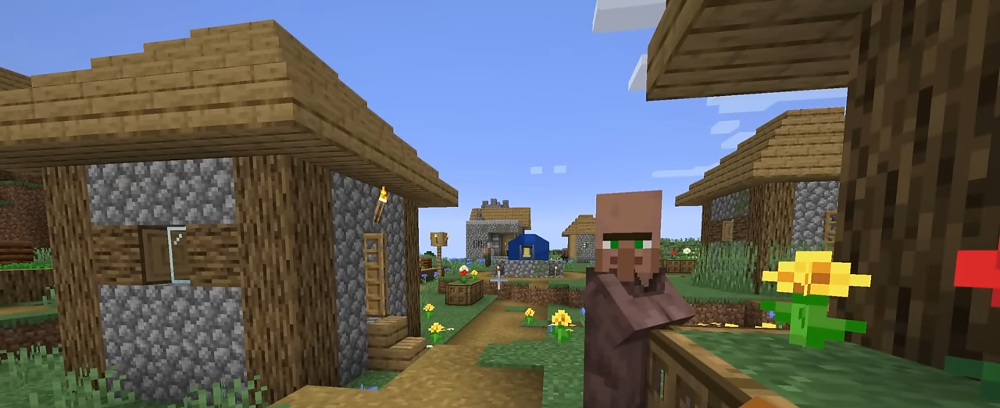
Who villagers are and what types there are
Villagers are friendly mobs that live in villages across different biomes. Their appearance depends on the biome: a villager from a snowy village looks different from one in a desert or savanna village.
The main feature of villagers is their professions. Each villager can take one of 13 professions, including:
- Farmer — trades food and seeds
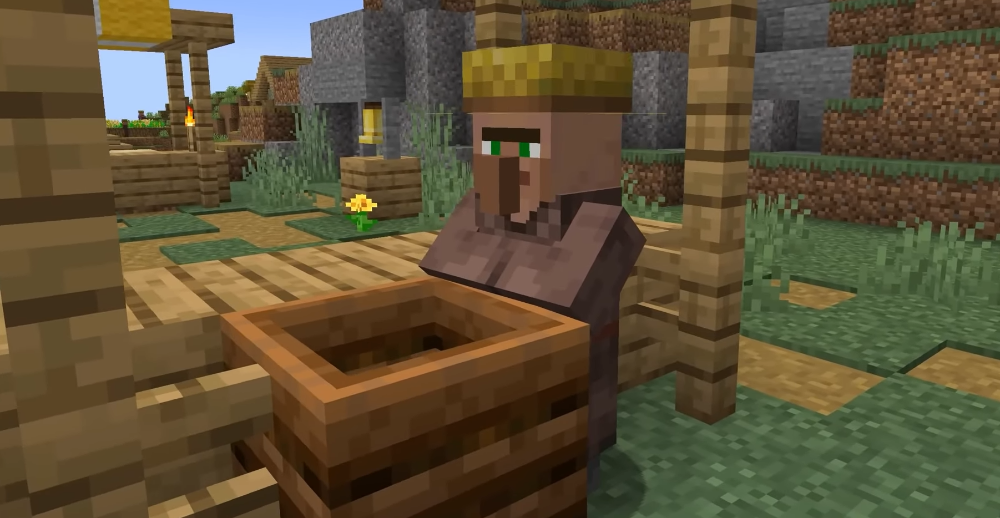
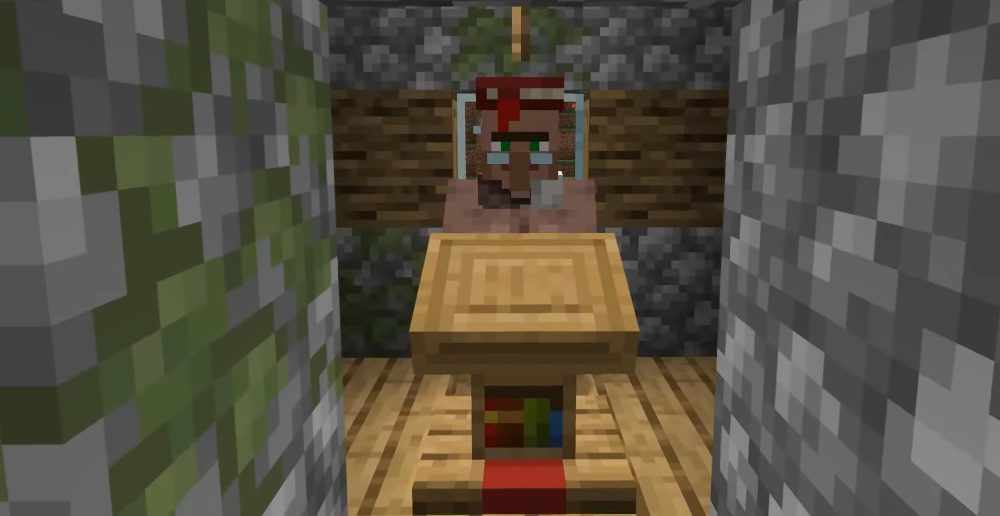
- Librarian — sells enchanted books, including rare ones
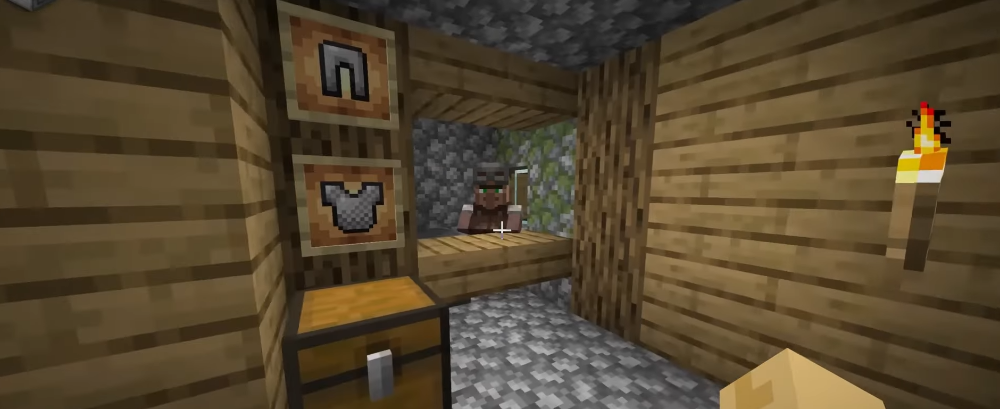
- Weaponsmith and blacksmith — offer gear and tools
- Cleric — trades potions and Ender Pearls
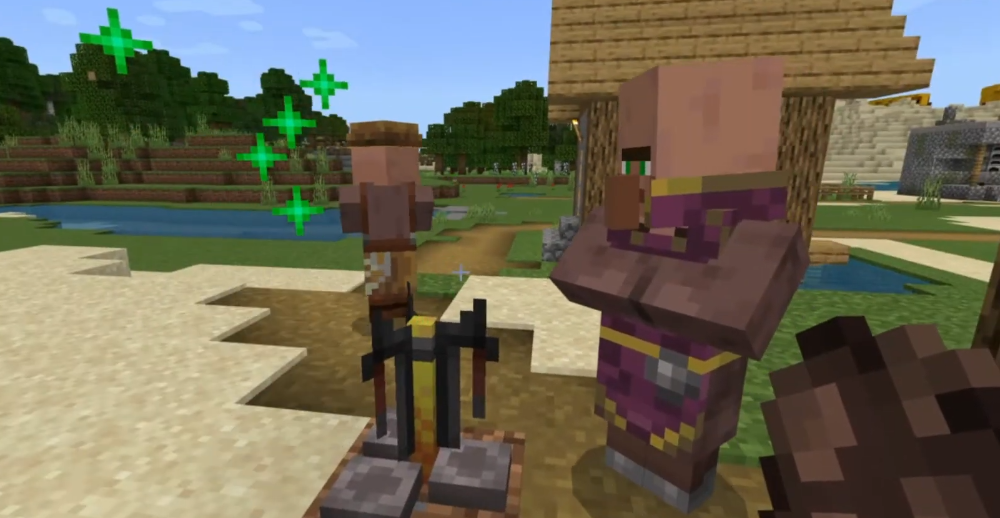
- Cartographer — sells maps to temples and special locations
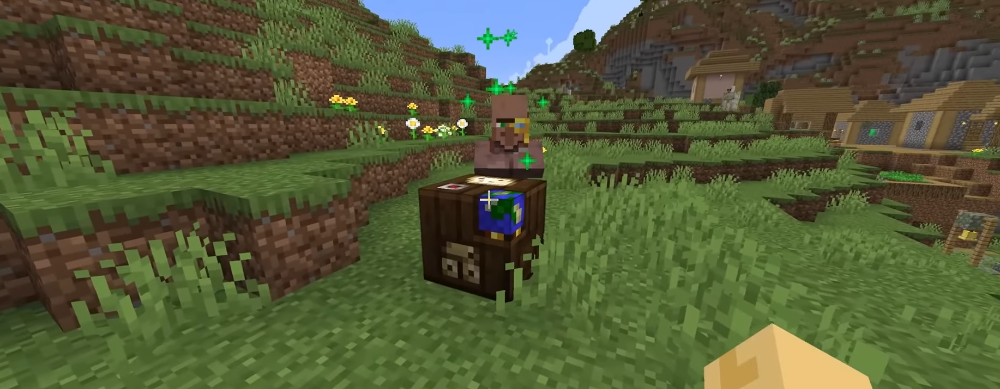
A villager’s profession is determined by the job site block near them. For example, a librarian is linked to a lectern, while a farmer uses a composter. This means the player can directly control what profession a villager gets.
When villagers were added to the game
Villagers did not appear in Minecraft right away. They were first introduced in beta version 1.9 in 2011 — the same update that added the End and the Ender Dragon. At that time, however, villagers were almost useless: they simply walked around the village without any real function.
Everything changed with version 1.3.1 in 2012, when the developers added the trading system. That was when villagers became a truly important part of gameplay. In the following years, the mechanic was improved several times, and the biggest update came with Java 1.14 «Village & Pillage» (2019): villagers got new professions, better AI, and a reworked trading system.
What villagers are for: trading and rare items
The main purpose of villagers is trading for emeralds. In Minecraft, emeralds are the local currency, and villagers are what give them real value.
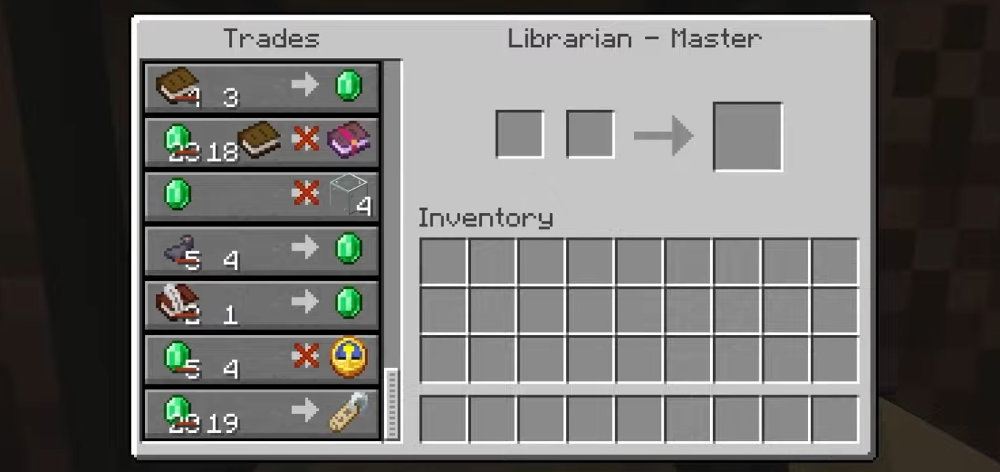
Through trading, you can get items that are very hard or impossible to obtain in other ways. For example:
- Books with maximum-level enchantments (such as «Sharpness V» or «Protection IV»)
- Cartographer maps to woodland mansions and ocean monuments
- Potions, rare blocks, and materials
Each villager has several trading levels — from novice to master. The more actively you trade with a specific villager, the higher their level becomes and the better their offers get.
How villagers help with game progression
Experienced players use villagers for more than just trading. Here are a few ways they genuinely speed up progress:
Breeding villagers lets you create your own village with the specialists you need. You only need to provide food and beds, and the population will start to grow.
Resetting trades — if you don’t like a villager’s offers, you can break their job site block and place it again. The villager will get a new set of trades. This is especially useful when hunting for rare enchantments from a librarian.
Iron farms — villagers indirectly help create some of the most efficient farms in the game. When a village has enough villagers and beds, iron golems begin to spawn, and they can be used to get large amounts of iron ingots.
Villagers are an essential part of Minecraft
Villagers have come a long way from aimless NPCs to full-fledged gameplay participants. They give access to the best gear, rare items, and unique mechanics that make the game richer and more interesting.
How do you use villagers in your worlds? Do you have favorite trading or farming strategies? Share them in the comments — it would be interesting to see what tricks work for other players.
- publishedMceadmin
(Google Ads) Privacy Policy and Terms of Use


