Tula’s city center was recreated in Minecraft block by block
- Android: 8,0+🕣 Updated
- CategoryInstructions
![Tula’s city center was recreated in Minecraft block by block]()

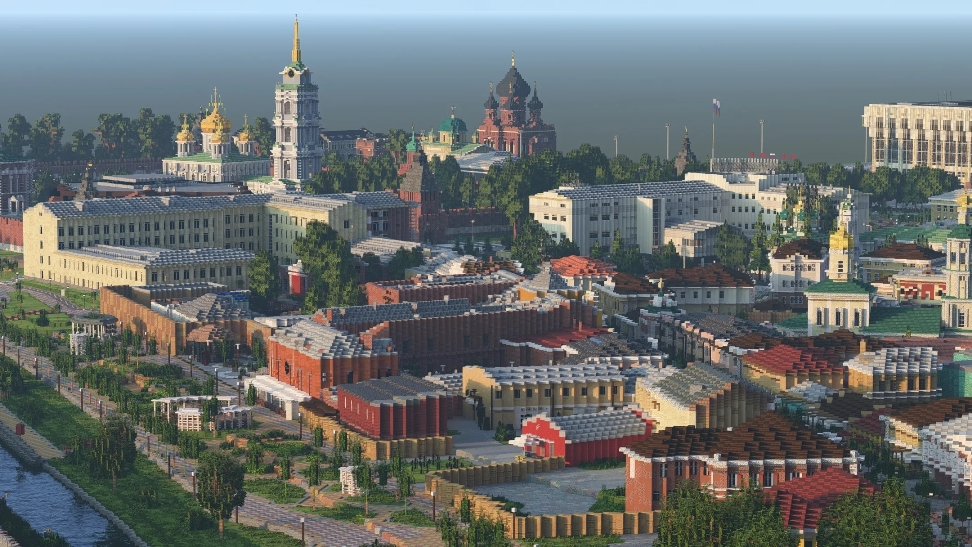
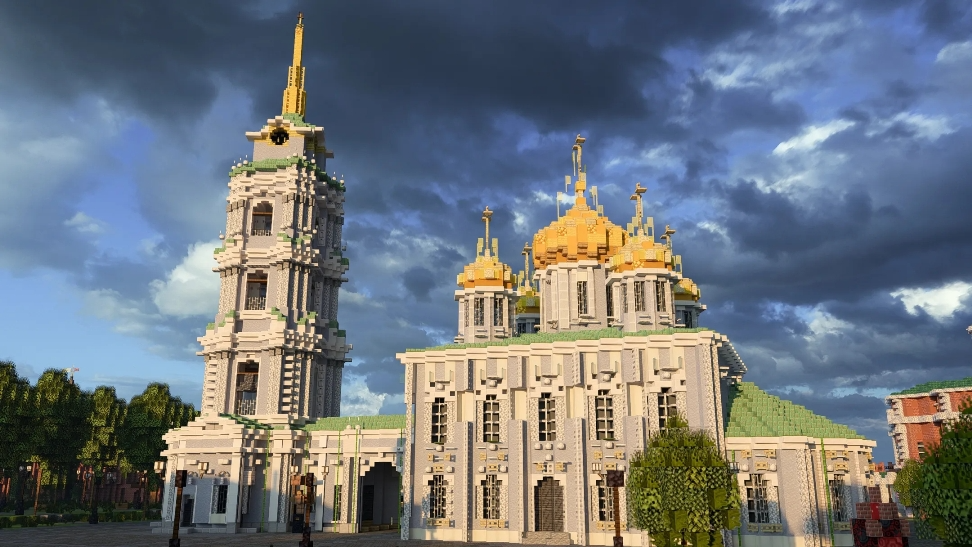
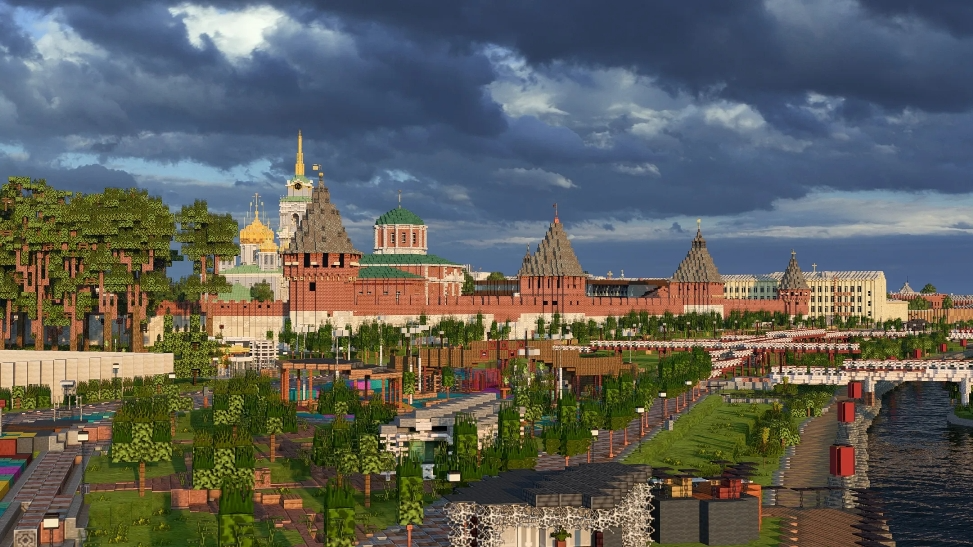
A team of Minecraft builders brought Tula’s historic center into the world’s best-selling video game, turning the city’s main landmarks into a fully walkable digital space. Players can now stroll through one of Russia’s oldest cities without ever leaving the game.
Who built it
The reconstruction was created by TeamCIS | СНГ, a project focused on recreating landmarks from Russia and post-Soviet countries in Minecraft. According to the Tula Museum Association, the team combined the city’s key locations into one connected map.
This work goes back several years. Publications from 2022 mentioned a separate group called «Tula in a Cube» that was also working on recreating central Tula in Minecraft. It makes more sense to see them as parts of the same broader story: an early local attempt and a later, more widely covered build. The exact link between the two teams is not fully clear from available sources, so it is more accurate to describe them as connected chapters rather than one continuous project.
Why it was made
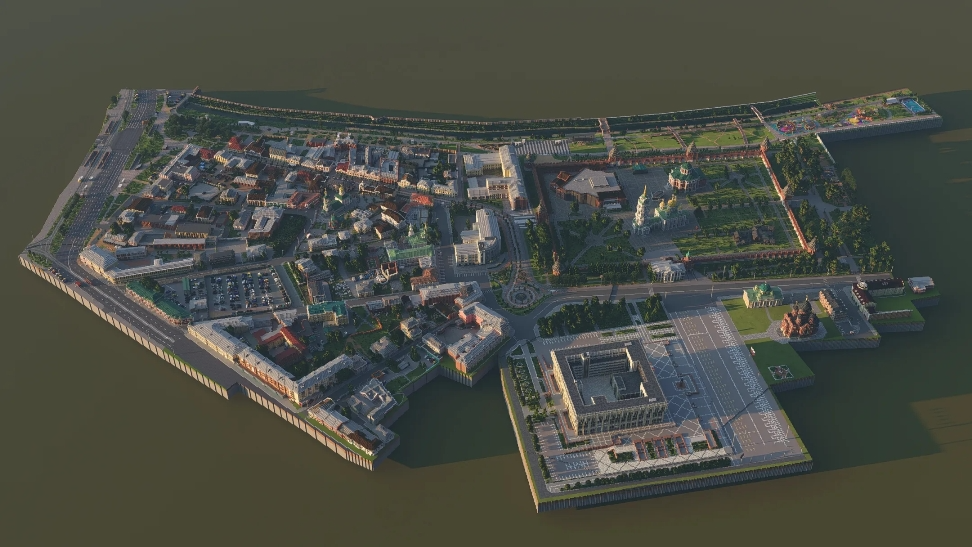
The main goal is simple: make Tula’s culture and history more appealing to young people. By placing real landmarks inside a game already played by millions, the creators want to spark interest in the real city.
In practice, this gives players several things:
- A digital walk through historic central Tula
- A familiar, game-based way to discover real cultural landmarks
- A foundation that could later support education and tourism
It is a smart move. If you already spend hours building and exploring worlds in Minecraft, stepping into a real city feels natural rather than like a history lesson.
Which landmarks are included
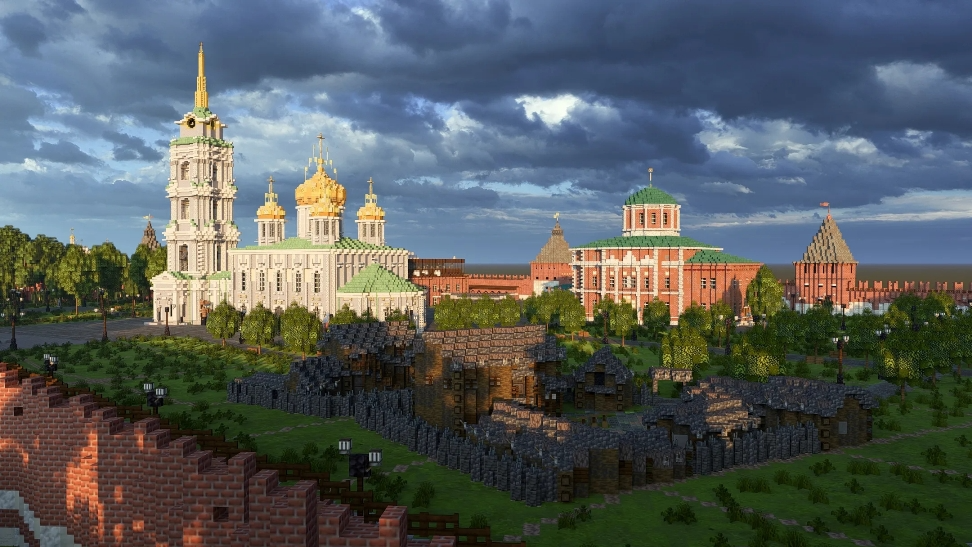
The build covers several of Tula’s most recognizable places. Mentioned locations include:
- Tula Kremlin
- Kazanskaya Embankment
- Metallistov Street
- Museum Quarter
Krestovozdvizhenskaya Square
The team also spoke about plans to work on the interiors of some buildings, partner museums, and churches, which means the world may continue to grow.
How accurate it is
For a Minecraft project, the level of accuracy is impressive. The build follows a strict «1 meter = 1 block» rule, and one publication described the result as a recreation «accurate to the meter.»
This scale matters because it preserves honest proportions. Walls, towers, streets, and open squares match their real-life dimensions, so the layout reads as Tula itself rather than a loose impression of it.
Still, it is worth being realistic about what «accurate» means here. This is a hand-built game world, not a laser scan of the city. The accuracy shows up mainly in:
- the correct scale
- close proportions
- a recognizable layout
- the detailed exterior look of buildings
Minecraft’s block system inevitably simplifies fine details. Curves, ornaments, and complex shapes have to be represented with cubes, so some elements look stylized up close. That is a feature of the format itself, not a flaw in the work.
The scale of the work
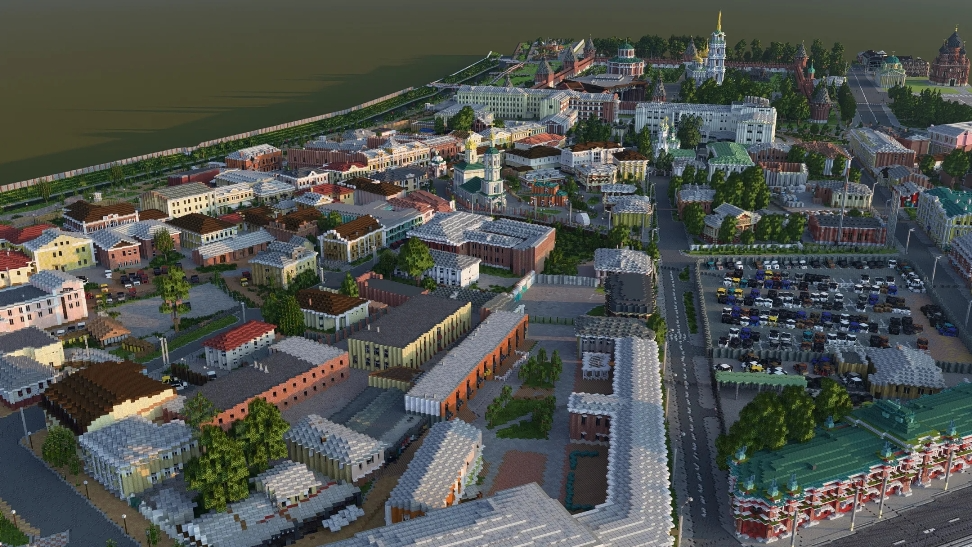
According to the latest reports, about 20 people worked on the project for roughly a month and a half. One team member explained that each person took on separate buildings, landscaping, and other elements, developed them individually, and then everything was assembled into one whole.
Anyone who has ever tried to recreate even one real building in survival or creative mode will understand the scale of the effort. Rebuilding an entire historic district at a one-to-one scale takes serious planning and a lot of patience.
Why this matters for players
Projects like this show how far the builder community has come. Minecraft has long been a creative tool, but recreating real cities turns it into something close to an interactive world map.
For Minecraft fans, the appeal is obvious. You get the joy of exploration, the satisfaction of detailed builds, and a real connection to a place you may never visit in person. For Tula, it is a fresh way to present its heritage to a generation that grew up with a gamepad in hand.
Final thoughts
The Tula build is a reminder of what a game can do when it becomes a canvas. Imagine loading into your favorite city, walking its real streets step by step, and learning its history while you play. The more teams take on projects like this, the more likely it becomes that this kind of digital tourism will turn into another reason to jump into the game.
- publishedMceadmin
(Google Ads) Privacy Policy and Terms of Use


