Transparent Evolution: A Complete Guide to Glass Blocks in Minecraft
- Android: 8,0+🕣 Updated
- CategoryInstructions
![Transparent Evolution: A Complete Guide to Glass Blocks in Minecraft]()

Glass — is one of the most fundamental and versatile building materials in Minecraft. Since its introduction, it has come a long way, transforming from a simple transparent block into a full arsenal of decorative and functional elements. Let’s dive into the history of glass blocks, learn how to obtain them, and explore how they’ve changed the world of building in Minecraft.
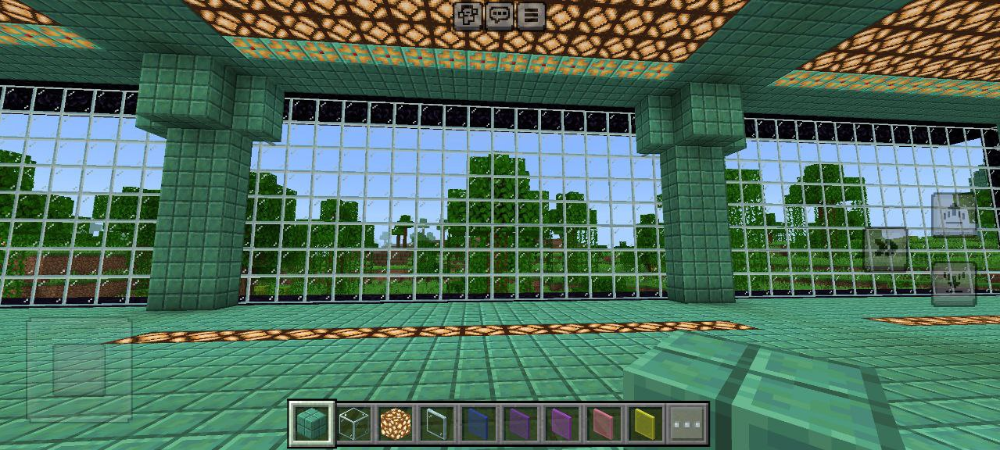
From Simple to Complex: How Glass Changed the Game
Initially, glass was added to the game as a simple way to create windows that let light in while keeping hostile mobs out. It was a simple yet brilliant solution. However, as players’ creative ambitions grew, so did the need for more diverse materials. Mojang developers listened to the community and gradually expanded the family of glass blocks, adding new colors, shapes, and properties. Each update aimed to provide builders with more tools for self-expression and solving engineering challenges.
Types of Glass: From Sand to Stained Glass
Today, Minecraft features several types of glass blocks and panels, each with its own unique characteristics.
Classic Glass and Glass Panels
- How to Obtain: It all starts with sand. Smelt a block of sand in a furnace to get one glass block. To create glass panels, place six glass blocks in a crafting table to get 16 panels at once.
- History: Regular glass is one of the oldest blocks, present in the game since the early Alpha versions. Panels appeared later, in Beta 1.9, offering a more elegant and economical solution for windows and railings.
- Usage: Perfect for windows, greenhouses, aquariums, and any construction where transparency is key. Panels look great as railings, decorative dividers, and display cases.
Colored Glass and Panels
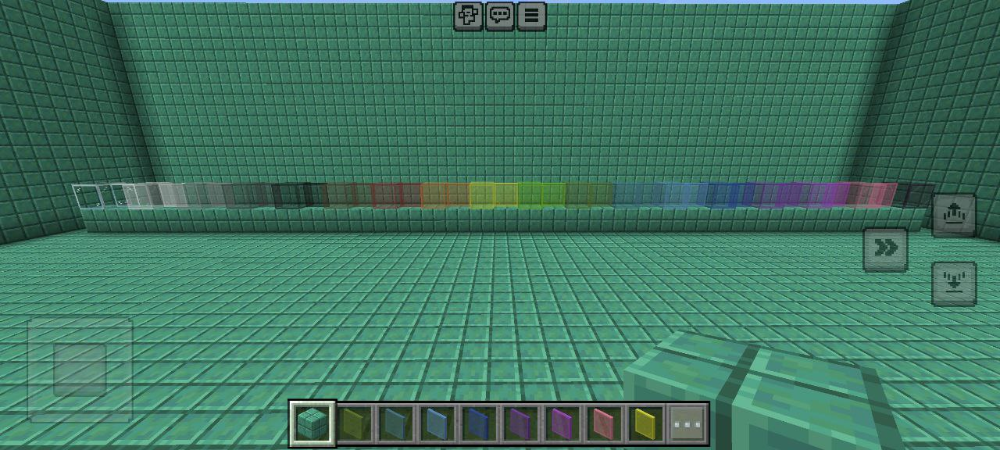
- How to Obtain: To dye glass, surround one dye of any of the 16 colors with eight glass blocks in a crafting table. Colored panels are created similarly to regular ones but using colored blocks.
- History: The introduction of colored glass in version 1.7.2 was a breakthrough for decorators. It allowed players to create stunning stained glass, mosaics, and add colorful accents to their builds.
- Usage: Primarily for decoration. With colored glass, you can build massive pixel art, create unique lighting effects (light passing through the block doesn’t get tinted, but the block itself glows), and give buildings a personal touch.
Tinted Glass
- How to Obtain: This unique block was introduced in the 1.17 "Caves and Cliffs" update. To craft it, combine a glass block with four amethyst shards.
- History and Impact: The addition of tinted glass solved a long-standing problem for players: how to create a dark room with windows. Unlike other types of glass, it completely blocks light.
- Usage: It’s an essential material for mob farms where total darkness is needed but you still want to observe the process. It’s also used for creating dimly lit rooms and for decorative purposes to add a mysterious touch to builds. An important feature is that it drops as a block when broken, even without the "Silk Touch" enchantment.
What About Glass Slabs?
One of the most frequent requests from the community is the addition of glass slabs and stairs to the game. Currently, they don’t exist in the vanilla version of Minecraft. Developers haven’t commented on plans to add them yet, but players remain hopeful. For now, creating smooth glass transitions and roofs requires mods or creative use of available blocks. The absence of these elements encourages players to seek unconventional architectural solutions.
Creative Idea: "Invisible Bridge" of Glass Over a Chasm
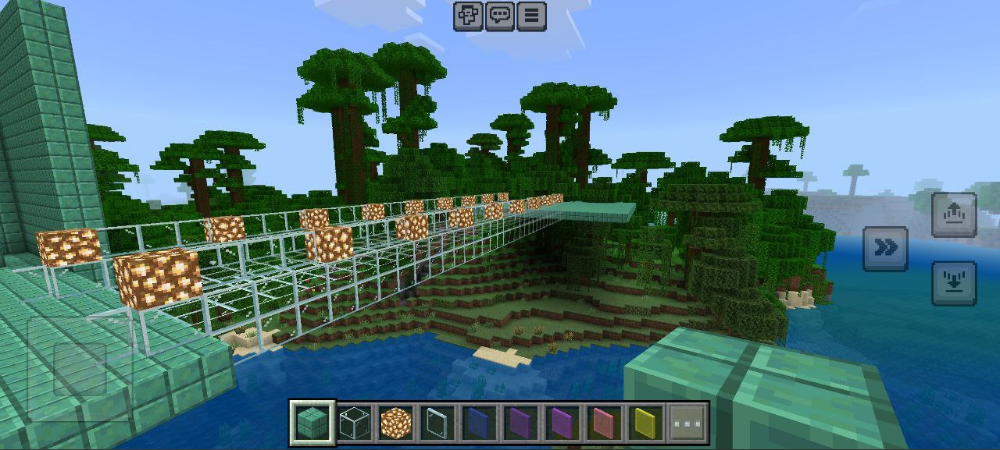
Want to impress your friends and make map navigation more exciting? Build an "invisible" bridge out of transparent glass! From a distance, it will be almost invisible, adding a magical touch to your build.
Step-by-Step Instructions:
- Choose a location for the bridge. Find a chasm, ravine, or large body of water to build across.
- Stock up on glass blocks. The wider and longer the bridge, the more glass you’ll need.
- Build the bridge. Place rows of glass blocks from one edge of the chasm to the other at the desired height. For maximum effect, you can make the bridge 1-2 blocks wide.
- Add decorative elements. For aesthetics, you can embed colored glass within the bridge or place glass panels on the sides as minimal railings.
- Light up the path. For nighttime play, place glowing blocks like glowstone under the bridge; the light will pass through the glass, leaving the bridge almost invisible.
- Check the result. Step back and look at the bridge — it’s practically invisible against the surrounding landscape!
This type of bridge can become the highlight of your base and an original way to safely cross dangerous zones without ruining the overall look of the world.
Conclusion: Glass as a Canvas for Creativity
The evolution of glass in Minecraft is a brilliant example of how developers respond to players’ needs, providing more and more tools for creativity. From a simple window to complex light-blocking structures, glass has come a long way and has become an integral part of any significant build.
Which glass blocks do you use most often? Do you have ideas for unusual uses of tinted glass, or do you dream of adding glass stairs? Share your thoughts and builds in the comments.
- publishedMceadmin
(Google Ads) Privacy Policy and Terms of Use


![Chicken Gun [Null's]](/uploads/mini/scroll-rel/63/1693986698_icon.png)
