Forgotten Pages of Minecraft History: A Chronicle of Removed Content and Game Evolution
- Android: 8,0+🕣 Updated
- CategoryInstructions
![Forgotten Pages of Minecraft History: A Chronicle of Removed Content and Game Evolution]()

Minecraft — is not just a game, but a living, constantly evolving organism. Over more than a decade, Mojang Studios' "sandbox" has grown from simple browser experiments to a global phenomenon. However, this journey was paved not only with new blocks and mobs but also with elements that had to be left behind.
Game development is a process of trial and error. Often, features that seem brilliant on paper turn out to be unnecessary or technically flawed in gameplay. In this article, we will take a detailed look at which iconic elements were removed from Minecraft, why the developers made these decisions, and how it shaped the modern look of the game.
The Philosophy of Change: Why Does Mojang Remove Content?
Before diving into specific examples, it is important to understand the developers' logic. Content removal in Minecraft rarely happens randomly. It is usually tied to three key factors:
- Functional redundancy: If a new item duplicates the functions of an old one but does it better, the old one is removed to avoid cluttering the inventory and game code.
- Technical limitations and optimization: Some mechanics from early versions (Indev, Alpha) were hastily written and caused significant lags or bugs when scaling the world.
- Visual clarity and accessibility: Mojang places great emphasis on making the game understandable for everyone, including people with color perception differences.
Victims of Evolution: The Most Notable Removed Items
Rubies: A Precious Sacrifice for Convenience
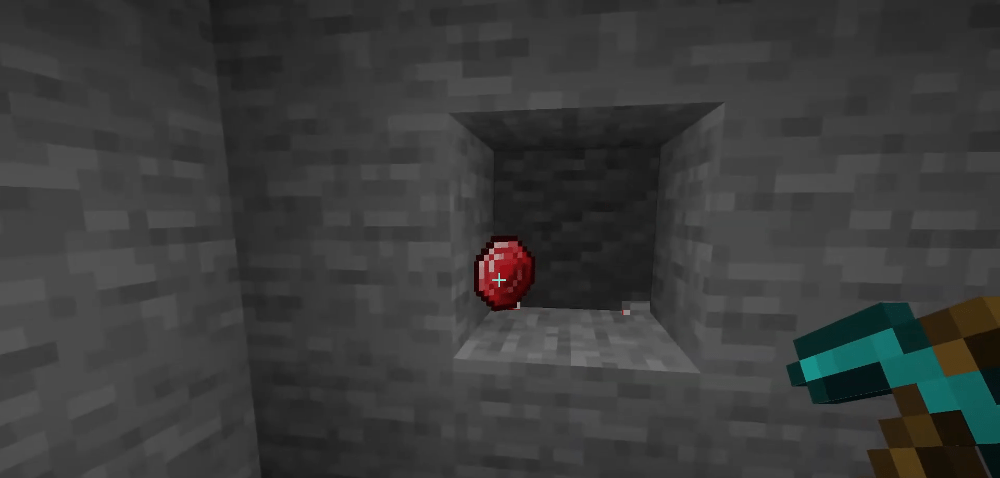
Initially, rubies were supposed to be the main currency for trading with villagers. The textures were already in the game, and the system was ready to launch.
- Reason for removal: During testing, the lead developer (at the time Jeb) noticed a significant issue. The ruby ore texture was almost identical to the redstone ore texture. For players with color blindness or in dark caves, distinguishing them was extremely difficult.
- New system: Rubies were replaced with emeralds. Their green color contrasts perfectly with other ores and stands out visually. This solution not only improved the game's accessibility but also gave Minecraft one of its most recognizable symbols.
Gears: A Mechanical Dream
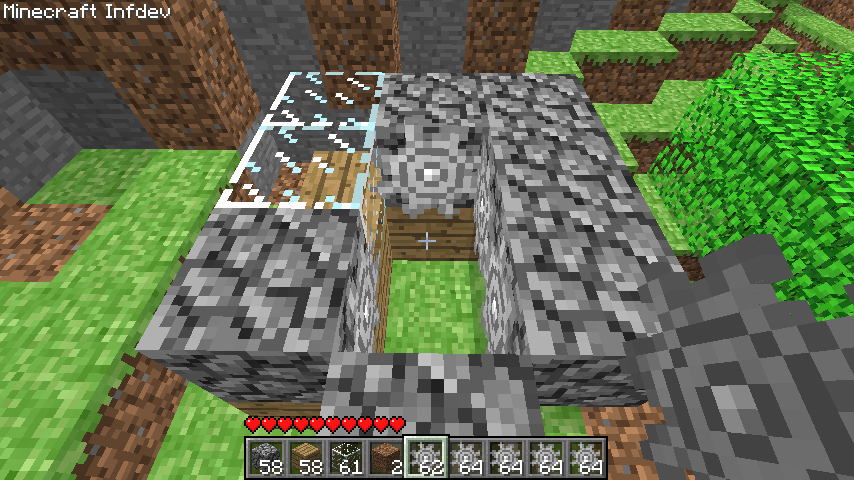
In Indev versions, gears could be placed on walls. They were intended to be the foundation for creating complex mechanisms, transmitting rotational motion.
- Reason for removal: Implementing rotating objects in a voxel world made of cubes proved to be technically challenging and visually "noisy." Gears looked out of place.
- New system: The idea of automation did not die; it transformed into Redstone. The electrical dust became a much more flexible and abstract tool, allowing players to create everything from simple doors to functioning processors within the game.
Sky Dimension
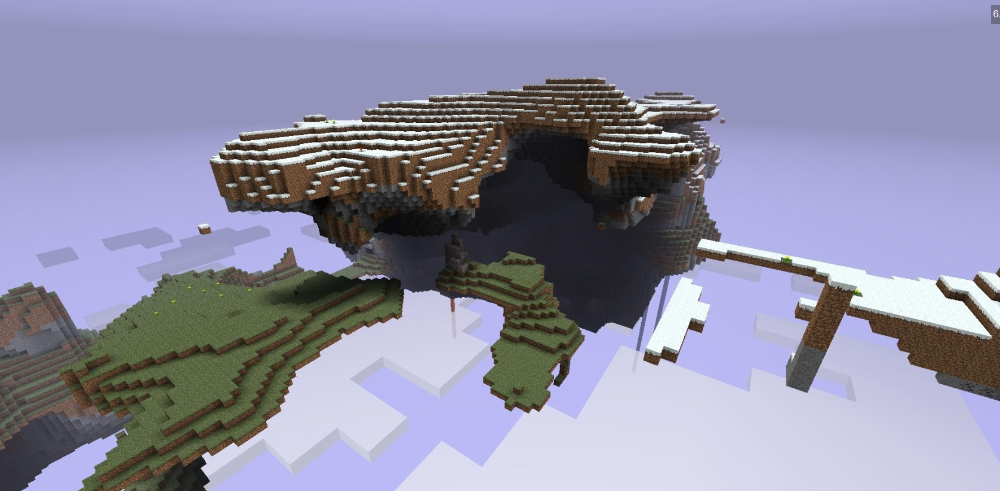
Before the End dimension, Notch planned to create a "Heaven" — a dimension with floating islands that would be the complete opposite of the Nether. It was generated similarly to the normal world but consisted of islands in the void.
- Reason for removal: Developers felt that just another dimension to explore did not provide the game with a final goal. Additionally, there were performance issues with lighting at such heights.
- New system: The concept was completely reworked into The End. The floating islands remained, but the atmosphere became dark and mysterious, and the Ender Dragon was introduced, giving Minecraft a logical narrative conclusion.
Nether Reactor
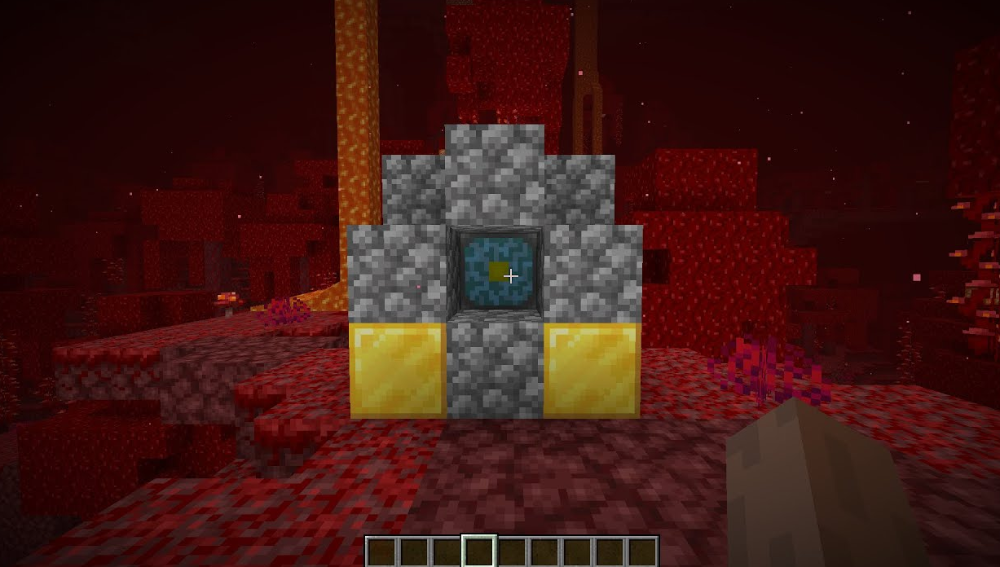
Veterans of the mobile version (Pocket Edition) remember this mysterious blue block. Older phones lacked the power to generate a full Nether, so players built a special structure of gold and cobblestone, activating the reactor to create a "pocket Nether" directly in the normal world.
- Reason for removal: Technology advanced. Smartphones became more powerful, and developers managed to optimize the generation of a real Nether for mobile devices.
- Impact on players: The reactor became an unnecessary workaround. Its removal marked an important milestone — the unification of versions (Bedrock Edition), where mobile players received the same content as PC users.
Impact on the Community and Gameplay
The removal of these items shaped the balance we see today. Replacing gears with redstone gave rise to an entire engineering community within the game. The removal of rubies made trading intuitive.
However, such changes often evoke a sense of nostalgia. Players create mods to bring back removed content, imagining an "alternative history" of Minecraft. This shows how deeply fans are attached to every pixel of their beloved universe.
Conclusion
The history of Minecraft — is a story of seeking the perfect balance between creativity and functionality. Removed items, whether a quiver for arrows or an old rose, — are necessary sacrifices on the path to perfection. Developers continue to refine the game, and perhaps in future updates (e.g., 1.22 and beyond), we will see the return of old ideas in a new, reimagined form.
What do you think about these changes?
Do you miss the old textures and mechanics, or do you think modern Minecraft is objectively better? Share your thoughts in the comments and discussions with friends — because it is player feedback that shapes the future of the cubic world!
- publishedMceadmin
(Google Ads) Privacy Policy and Terms of Use


