Trumpet in Minecraft 26.1 Snapshot 7: A New Voice in the Block Orchestra
- Android: 8,0+🕣 Updated
- CategoryInstructions
![Trumpet in Minecraft 26.1 Snapshot 7: A New Voice in the Block Orchestra]()

With the release of snapshot 26.1 Snapshot 7, Minecraft's soundscape has become a bit richer and undoubtedly louder. Among numerous technical changes and visual updates to mobs, one detail caught the special attention of redstone enthusiasts and musical experimenters. It’s the new instrument for the note block — the trumpet. This addition not only introduces a new sound but also unlocks interesting mechanics for material interaction.
Let’s explore what this instrument is, why it was added, and how you can use it in your worlds.
Why is the trumpet important?
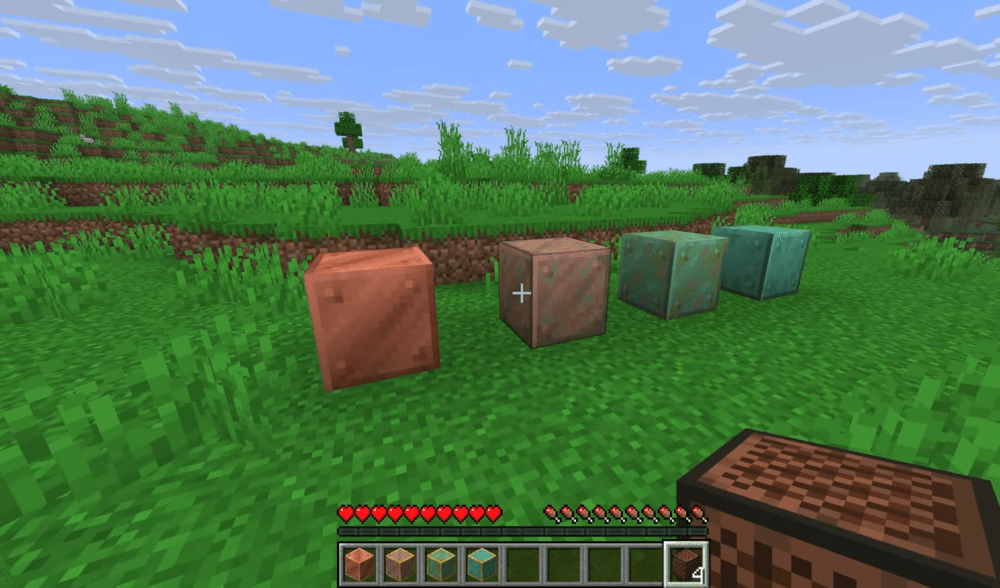
The addition of the trumpet — is a logical continuation of Mojang's work on expanding the functionality of note blocks. Previously, developers linked sound types to the materials beneath the block (e.g., bass on wood or snare drum on sand). However, the introduction of the trumpet is notable because it deepens integration with copper — a material that has long been mostly decorative.
This change gives players new creative tools to craft more complex and rich musical compositions directly in the game, without the need for mods or resource packs. Now we have a full brass section, dependent on the age of your blocks!
How the trumpet mechanics work
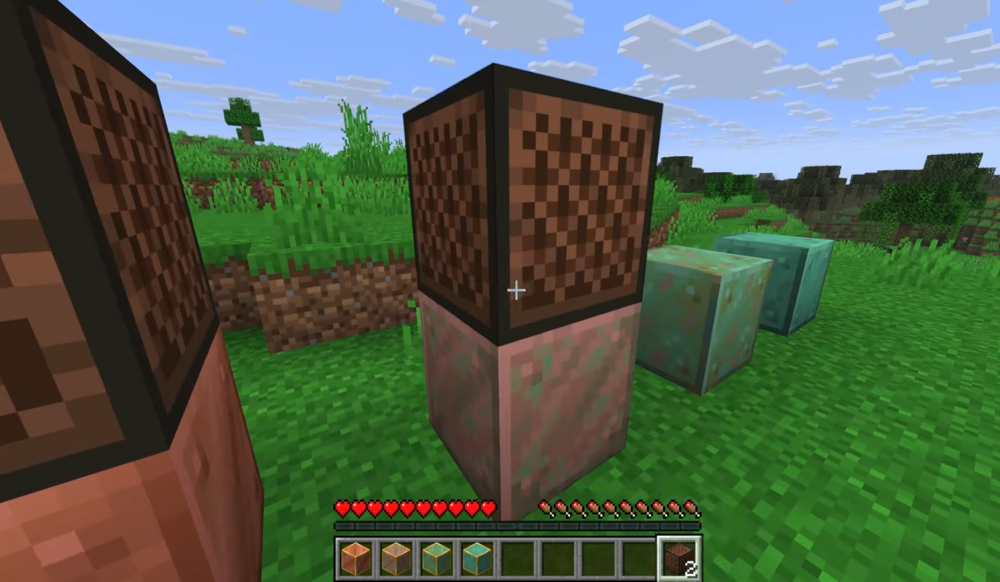
The main feature of the new instrument — is its connection to the copper block. To produce the trumpet sound, you need to place a note block directly on top of a copper block. But the most interesting part lies in the oxidation details.
Developers have implemented a dynamic sound system that directly depends on the oxidation stage of the copper beneath the note block. This means the same "instrument" can sound different depending on how long your structure has been exposed:
- Clean copper block produces a clear, bright trumpet sound.
- Oxidized variants (from slightly tarnished to fully green) alter the timbre, making it likely more muted, vintage, or distorted, adding variety.
The game files already include corresponding sound events: block.note_block.trumpet, block.note_block.trumpet_exposed, block.note_block.trumpet_weathered, and block.note_block.trumpet_oxidized. This confirms that each stage of copper aging has its unique sound tone.
In-game applications: from melodies to signals
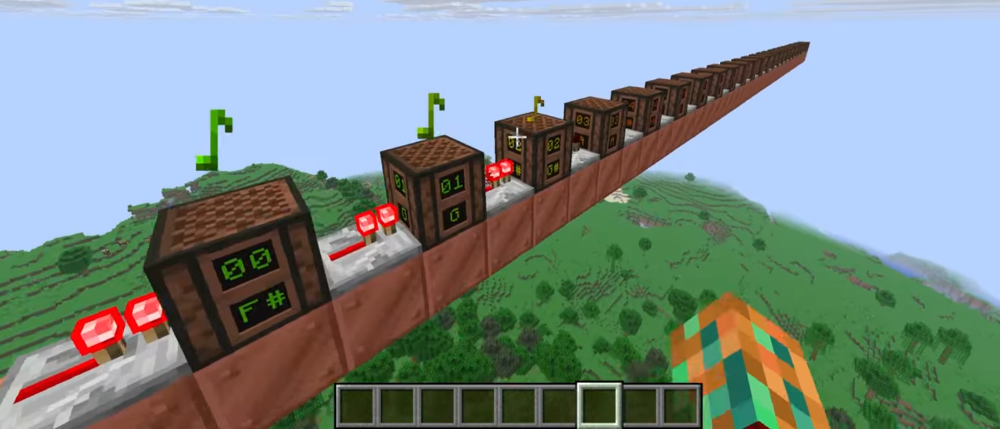
How can this new feature be used in practice?
- Complex musical machines: Note block creators now have a powerful brass instrument in their arsenal. The ability to change timbre through oxidation allows for imitating different types of brass or even detuned instruments to create specific atmospheres.
- Atmospheric sounds: The sound of an oxidized trumpet can be perfect for creating eerie ambiances in adventure maps or horror games.
- Alert systems: The bright and piercing sound of the trumpet is ideal for creating in-game alarms, bells, or warning signals on bases.
- Decorative functionality: Now, the copper floor in your castle can be not only beautiful but also "musical," hiding complex sound systems under carpets.
Conclusion
The introduction of the trumpet in 26.1 Snapshot 7 — is an excellent example of how developers continue to find new uses for existing blocks, connecting them to new mechanics. Copper is becoming an increasingly useful resource, and note blocks — ever more versatile tools for creativity.
Have you already tested the new sound? How do you plan to use the trumpet in your builds or melodies? Share your ideas in the comments!
- publishedMceadmin
(Google Ads) Privacy Policy and Terms of Use


![Chicken Gun [Null's]](/uploads/mini/scroll-rel/63/1693986698_icon.png)


