Minecraft 26.1 Snapshot 2: Barnyard Revolution and New Baby Models
- Android: 8,0+🕣 Updated
- CategoryInstructions
![Minecraft 26.1 Snapshot 2: Barnyard Revolution and New Baby Models]()

With the release of Minecraft 26.1 Snapshot 2, Mojang developers have decided to seriously focus on the visual aspect, which has remained unchanged for a long time. The highlight of this update is our four-legged friends, specifically — their younger generation. Today, we’ll dive into how the models and textures of baby cows have changed, why it happened, and what it means for the game’s future.
Why were changes needed?
For many years, the gaming community pointed out a certain "oddity" in the models of baby mobs in Minecraft. The main issue was that baby mobs often looked like scaled-down versions of adults with disproportionately large heads.
The developers listened to player feedback. The main goal of update 26.1 — is to bring the game’s visual style to a more cohesive and modern look without losing its signature blocky charm. The change in cow models is a step toward greater biological (as much as possible in a blocky world) realism and visual diversity. Now, a calf looks like a calf, not a strange miniature clone of an adult cow.
New texture structure: Biomes matter
The most significant technical change in Snapshot 2 is the linking of textures to biome temperature. Previously, there was one universal cow for the entire world. Now, the system has become much more complex and interesting.
New texture divisions for baby cows have appeared in the game files:
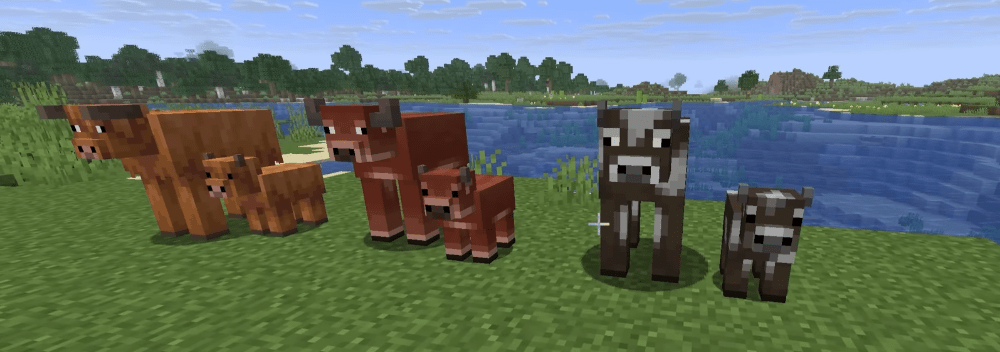
- Cold: For snowy biomes and mountains.
- Temperate: For plains and forests.
- Warm: For savannas and deserts.
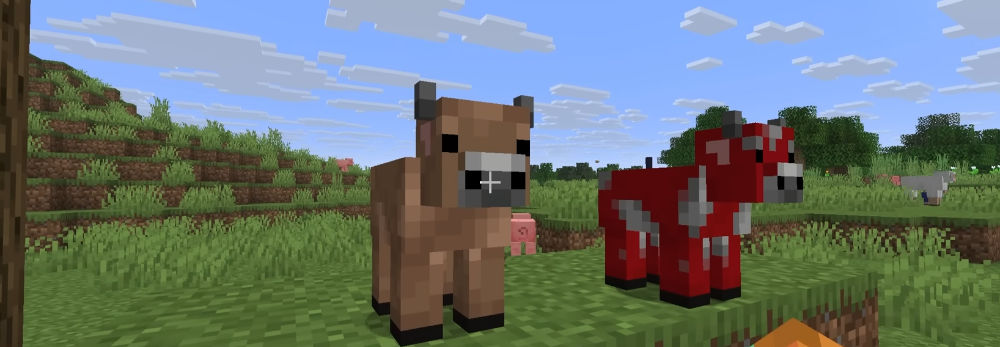
This opens up vast opportunities for customization and makes the world feel alive. If you travel from a snowy taiga to a hot savanna, the fauna will visually change, creating the feeling of a real journey through climate zones. Additionally, changes have also affected mooshrooms — now red and brown mooshrooms have their own unique updated textures for offspring.
Visual changes and hitboxes
In addition to new "skins," the geometry of the model itself has also changed. Developers adjusted body proportions, making them more harmonious.
An important note for technical players and farmers: along with the visual model, hitboxes (collision boundaries) have also been adjusted. They now more accurately match what you see on the screen. This may impact the design of automatic farms, where every pixel of space matters when separating adults from young animals.
Impact on gameplay and atmosphere
For most players, this update will be a pleasant visual improvement. The world will become slightly more detailed and logical. Encountering animals in different parts of the map will now bring more aesthetic pleasure.
However, for resource pack and mod creators, this signals a transition to a new standard. File structures are changing, and old texture packs will need updates to correctly display the new variable mobs.
Conclusion
Snapshot 2 for version 26.1 shows that Mojang isn’t afraid to touch the "sacred cows" (literally!) of their code to improve the game. Dividing textures by climate zones — is a fantastic feature we’ve been waiting for.
What do you think of the new calf models? Do you believe these changes benefit Minecraft’s classic style, or do you miss the old "big-headed" ones? Share your thoughts in the comments and discussions!
- publishedMceadmin
(Google Ads) Privacy Policy and Terms of Use


