Unexpected Release: How a Leaked Version of Minecraft Tried to Launch on Steam
- Android: 8,0+🕣 Updated
- CategoryInstructions
![Unexpected Release: How a Leaked Version of Minecraft Tried to Launch on Steam]()

Thousands of new games regularly appear on the Steam platform, but sometimes completely unpredictable projects emerge among them. Recently, users noticed a strange anomaly: an unknown author attempted to officially release a console version of Minecraft. Let’s figure out how this became possible and how this unusual story ended.

Where the Leaked Version Came From
The appearance of Mojang’s iconic sandbox game in Valve’s store under a different name raised many questions among gamers. It turned out that an enterprising "indie developer" uploaded a leaked build of the game.
This wasn’t just a random modification but a version originally created for the PlayStation 3 console. Recently, the source code for this build was made publicly available. The perpetrator decided to take advantage of the situation and attempted to pass off someone else’s work as their own independent project, creating a full game page in the store.
Microsoft’s Reaction and Reasons for the Block
Major corporations closely monitor the protection of their intellectual property. Microsoft, which owns all rights to the Minecraft franchise, reacted to the situation almost instantly.
Shortly after the counterfeit was discovered, the game’s page on Steam was completely blocked. The reason for the action was clear — direct copyright infringement. The company’s lawyers quickly stopped the attempt at illegal distribution and potential profit from the stolen source code. Steam also swiftly removed the project from search results, leaving the perpetrator no chance of success.
Impact on Players and the Gaming Community
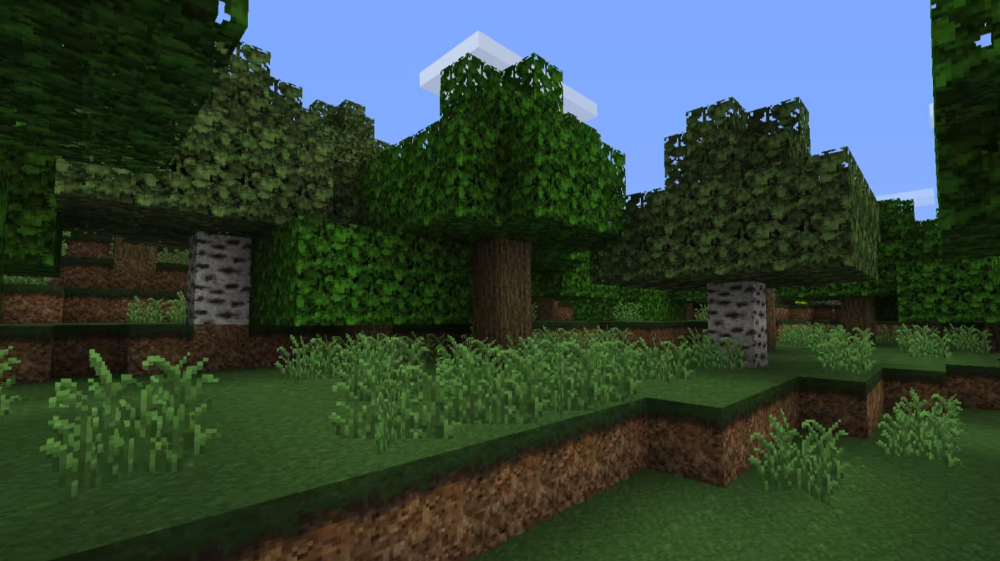
Such incidents serve as an important signal for the entire Minecraft fan community and video game enthusiasts in general. The attempt to monetize someone else’s leaks highlights vulnerabilities in the moderation systems of digital stores during the early stages of publication.
For regular players, this is an excellent reminder to stay vigilant. Installing unofficial and leaked versions of games always carries serious security risks. These builds often hide viruses, data theft programs, or hidden miners. The incident underscores the importance of using only official platforms for purchasing and downloading games.
Conclusion
The attempt to release a stolen Minecraft build on Steam was a short but instructive story. It clearly demonstrates how efficiently copyright protection mechanisms work and why you shouldn’t trust suspicious pages from unknown authors.
What do you think about this situation? Are you surprised that a leaked version even managed to get a page on Steam? Have you encountered counterfeit games in digital stores? Share your thoughts in the comments!
- publishedMceadmin
(Google Ads) Privacy Policy and Terms of Use


