From Indie Project to Global Empire: How One Person and an Alpha Version Created the Minecraft Phenomenon
- Android: 8,0+🕣 Updated
- CategoryInstructions
![From Indie Project to Global Empire: How One Person and an Alpha Version Created the Minecraft Phenomenon]()

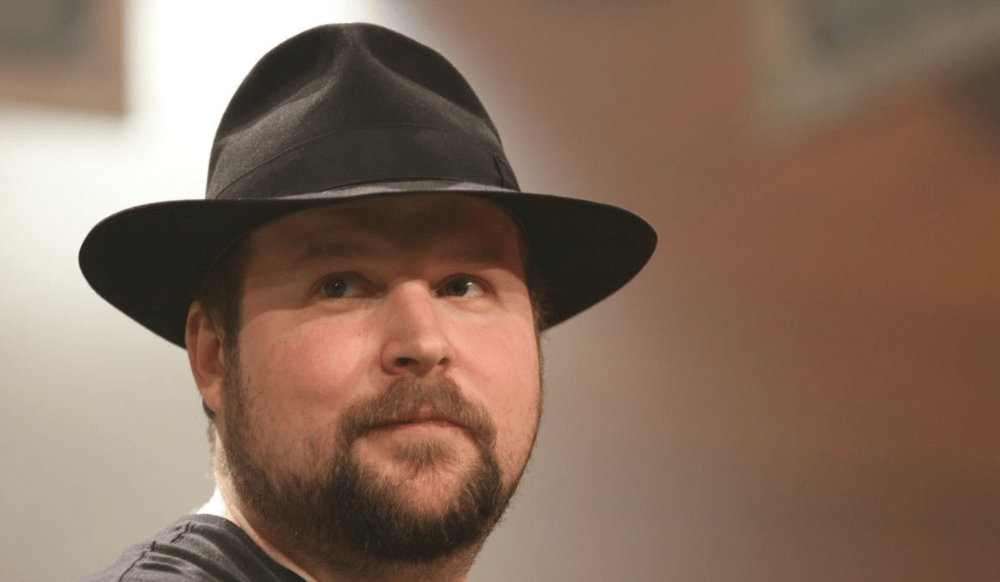
We are used to seeing massive gaming hits backed by huge corporations with thousands of employees and multimillion-dollar budgets. However, the best-selling game in history started in a completely different way. Minecraft — is not the product of meticulous corporate planning but the result of one person's creative impulse. Markus Persson, known in the gaming community as Notch, proved that a brilliant idea can revolutionize the industry.
Let’s recall how a modest personal project turned into the global Mojang Studios brand, thanks solely to the support of early players.
The First Blocks: Early Development Stages
In 2009, Swedish programmer Markus Persson decided to create the game of his dreams. Inspired by projects like Dwarf Fortress and Infiniminer, he began working on an open-world building simulator. The first version, later called Classic, was released in May 2009. It lacked complex survival or crafting mechanics — just simple blocks to place and destroy. But this basic freedom laid the foundation for a future masterpiece.
Why the Game Became a True Hit
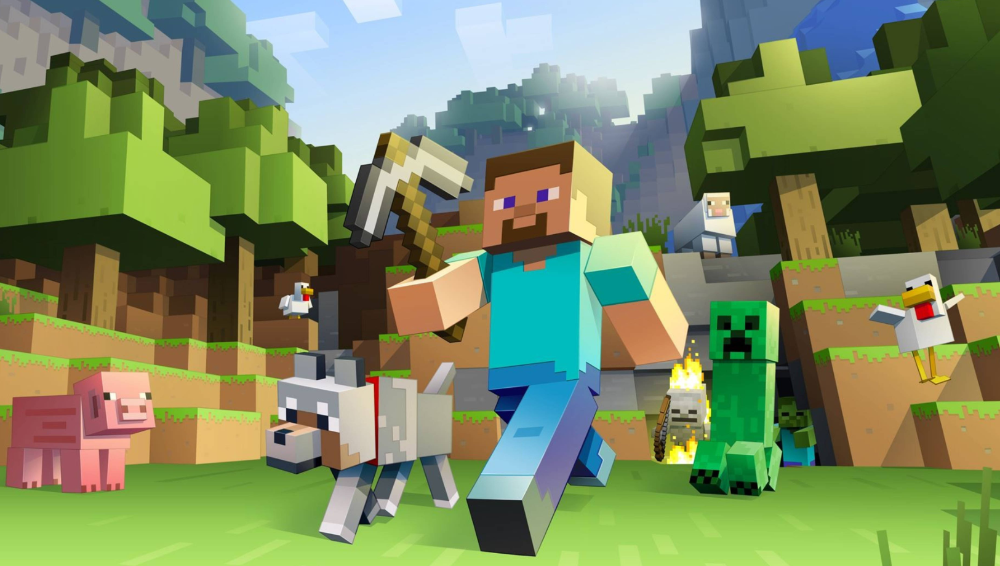
The main secret of Minecraft's success was the unique interaction between the creator and the gaming community. Notch didn’t hide the game behind closed doors until the final release. Instead, he offered gamers the chance to buy access to the early alpha version at a low price.
Players didn’t just get a raw product but also the opportunity to directly influence the game’s development. They found bugs, suggested ideas, and shared their creations on forums. Creative freedom, an endless procedurally generated world, and constant updates made Minecraft incredibly appealing. Word of mouth worked better than any expensive marketing campaign.
The Birth of Mojang Studios: From Solo Developer to Company
Alpha version sales exceeded all expectations. Money was pouring in, and it became clear: the project had outgrown the scope of a single enthusiast’s hobby. To handle the massive workload, legal matters, and further game development, Markus Persson used the earnings from alpha sales to establish a full-fledged company.
Thus, in 2010, Mojang AB (from the Swedish word meaning «gadget») was born. Notch began hiring talented developers, designers, and managers. This team brought the game to its official release at the end of 2011 and turned the Mojang name into a mark of quality for millions of gamers.
Impact on Players and the Gaming Industry
The story of Minecraft’s creation forever changed the approach to video game development. Notch’s success popularized the «Early Access» model, proving that players are willing to pay for unfinished projects if they believe in their potential and see the creator’s honest efforts.
For gamers, Minecraft became more than just a game. It turned into an educational platform, a space for socialization, and a canvas for incredible architectural masterpieces. The blocky world united generations, showing that graphics don’t matter when gameplay offers unlimited freedom.
The Legacy of the Blocky World
The journey from a simple experiment by a Swedish programmer to a $2.5 billion deal with Microsoft in 2014 — is a unique success story. Minecraft proved that passion for one’s craft and openness to the audience can create not just a world-class studio but also a true cultural phenomenon that continues to live and evolve to this day.
What was your first step in the blocky world? Do you remember your very first build or the version of the game where you chopped down your first tree by hand? Share your stories and memories in the comments!
- publishedMceadmin
(Google Ads) Privacy Policy and Terms of Use


