Denmark at 1:1 Scale: How and Why an Entire Country Was Recreated in Minecraft
- Android: 8,0+🕣 Updated
- CategoryInstructions
![Denmark at 1:1 Scale: How and Why an Entire Country Was Recreated in Minecraft]()

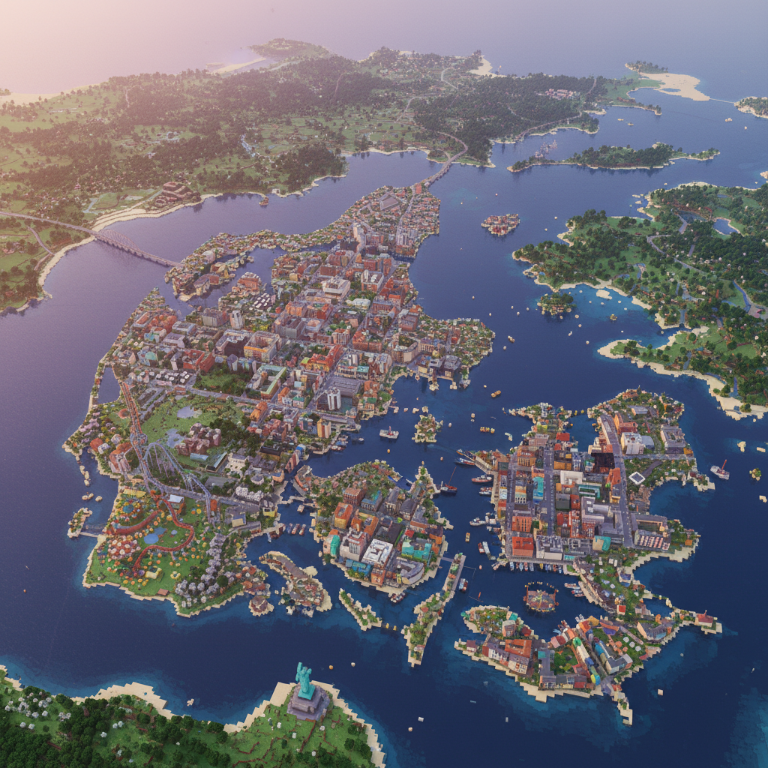
Minecraft has long ceased to be just a game about survival and building with blocks. Today, it is a powerful platform for creativity, architecture, and even government education. In April 2014, the gaming community witnessed a grand event: Denmark became the first country in history to have its entire territory recreated in this cubic sandbox. Let’s take a closer look at how a government agency implemented this ambitious project, why it was needed, and how gamers reacted.
Why Did the Government Need Minecraft?
The initiator of the virtual Denmark project was the Danish Geodata Agency (Geodatastyrelsen), a state organization responsible for cartography and geodesy. The main reason for creating the project was the desire to modernize the educational process.
The creators wanted to provide students with an interactive tool for studying geography, urban planning, and architecture. Instead of looking at boring flat maps in textbooks, students could literally walk through the streets of Copenhagen or explore the hills of Jutland. Additionally, the Geodata Agency aimed to visually demonstrate the potential of open government data and show how it could be used in creative and modern formats.
How the Virtual Country Was Created
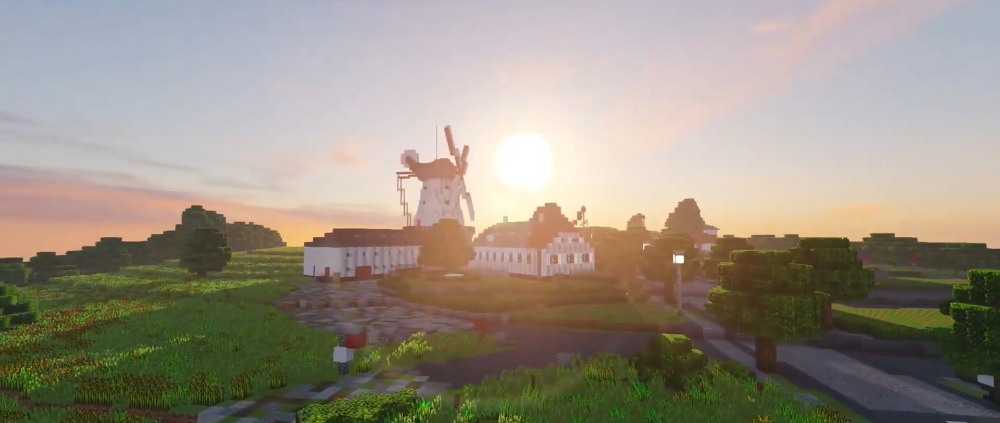
The process of transferring an entire country into the game required serious technical solutions. The project began in April 2014 and relied on precise data from the national geographic database. Algorithms converted topographic information — terrain relief, roads, buildings, forests, and bodies of water — into Minecraft’s cubic format.
The scale of the work is impressive. Virtual Denmark was recreated at a 1:1 ratio. This means that one block in the game corresponded exactly to one square meter of real territory. As a result, a colossal map of about one terabyte in size was created. At the time, it became one of the largest worlds ever generated in the game’s history.
Impact on Players and Unexpected Consequences
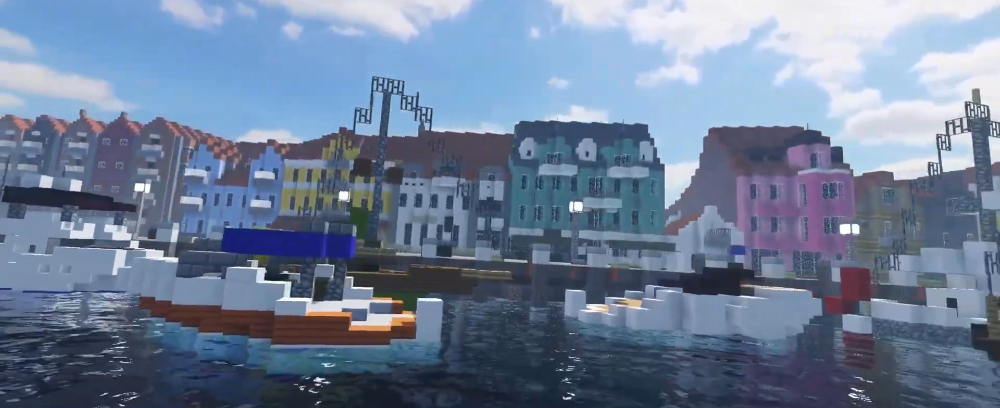
The map was made publicly available, and any Minecraft fan could freely download it to their server or computer. Gamers enthusiastically embraced the project. Users had a unique opportunity to explore a real European country without leaving their room.
However, the freedom of action that Minecraft players love so much led to predictable but amusing consequences. While fire and explosive damage were disabled on official servers, the ability to break and place blocks remained. Some players began to «rebuild» Denmark to their liking. Virtual cities faced raids: players demolished real neighborhoods and built their own fantastic structures and castles in their place. Eventually, administrators had to restore the original map from backups.
Nevertheless, this incident did not overshadow the initiative’s success. The project proved that video games could be a fantastic bridge between government institutions, education, and youth.
Time to Discuss
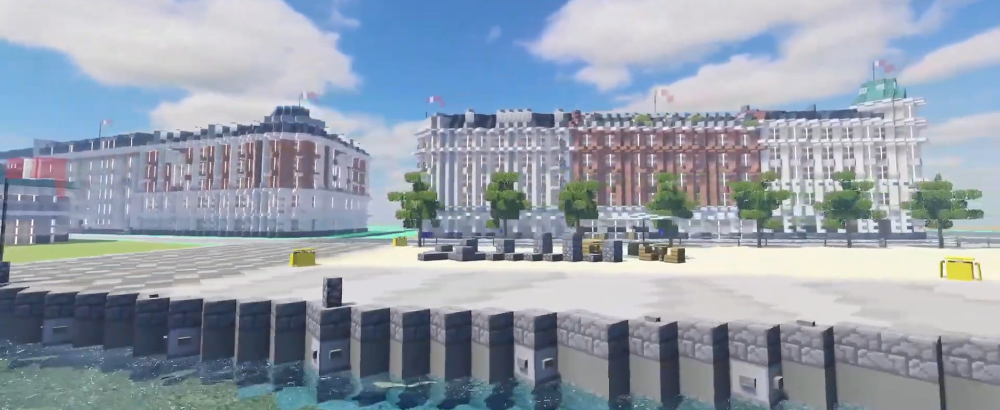
The creation of cubic Denmark has gone down in Minecraft history as an incredible example of using open data. We see how games blur the boundaries between the virtual world and reality, offering new ways to explore our planet.
Which country or city would you like to see fully recreated in Minecraft at a 1:1 scale? Share your ideas and thoughts in the comments — we’re very curious to hear your opinion!
- publishedMceadmin
(Google Ads) Privacy Policy and Terms of Use


