Magma Block in Minecraft: History, Mining, and Uses
- Android: 8,0+🕣 Updated
- CategoryInstructions
![Magma Block in Minecraft: History, Mining, and Uses]()

The world of Minecraft is constantly evolving, offering players new ways to interact with their surroundings. One of the most interesting and multifunctional elements of the game is the magma block. This scorching cube not only added atmosphere to the Nether but also forever changed the approach to building mechanisms and farms. Let’s explore how this block came to be, where to find it, and why it should be in every advanced builder’s arsenal.
Update 1.10: Why was the magma block added?
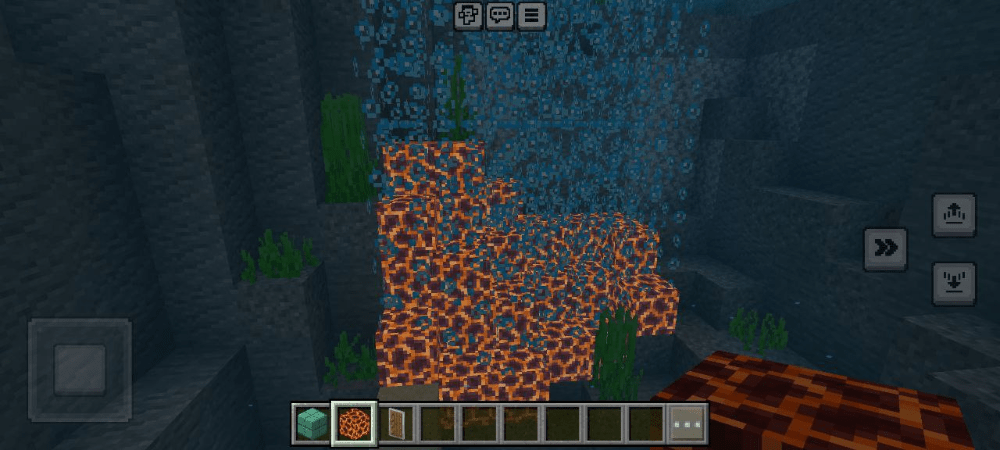
The magma block first appeared in Minecraft with the release of update 1.10, known as «The Frostburn Update», in June 2016. Developers aimed to make biomes more contrasting and dangerous. Before the introduction of this block, the Nether felt too monotonous.
The introduction of the magma block served several purposes. Firstly, it was an excellent decorative element, visually connecting solid rock and lava. Secondly, it added a new mechanic for interacting with the environment. Players had to be more cautious, as a careless step on the hot surface now cost health points. This innovation added realism and made fans rethink their travel routes through dangerous dimensions.
How to obtain this scorching resource
The developers ensured that the magma block was accessible, but obtaining it required some effort. Today, there are several main ways to stock up on this material:
Natural generation
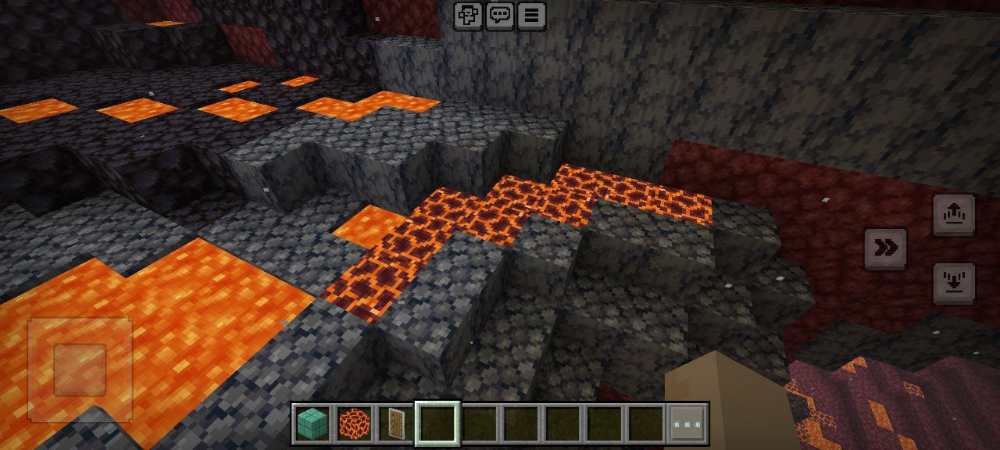
Magma blocks are most commonly found in the Nether. They generate in large clusters (veins) at the level of lava lakes or directly in netherrack. If you prefer exploring the overworld, pay attention to oceans. At the bottom of deep bodies of water, especially near underwater ruins and canyons, you can also find magma deposits.
Crafting at the workbench
If you don’t want to risk descending into caves, you can craft this block yourself. To do this, you’ll need to combine four magma creams in the crafting grid. Magma creams drop from magma cubes or can be created by combining slime and blaze powder.
Impact on players and practical applications
The addition of the magma block had a huge impact on the gaming community. It quickly stopped being just a beautiful decoration and became an important tool for survival and engineering. Here’s how players use it today:
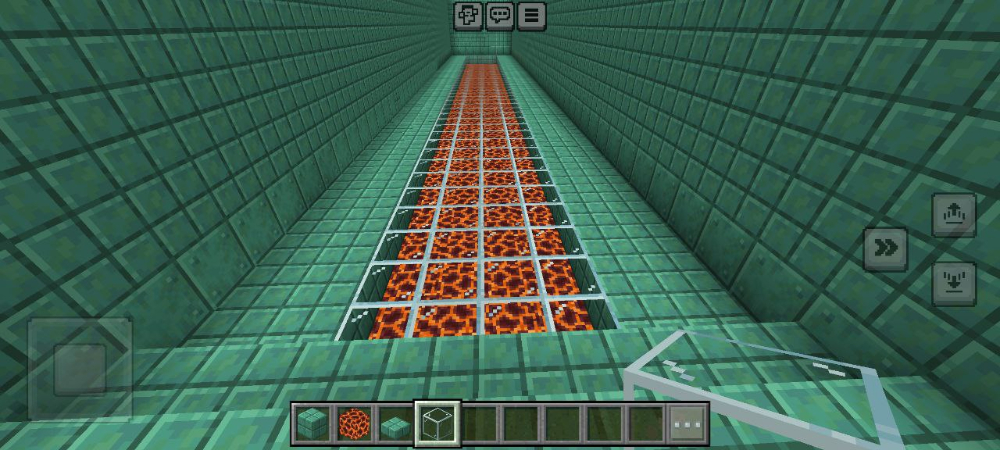
- Automatic mob farms: This is one of its main uses. Since the magma block damages creatures standing on it but doesn’t destroy dropped items (unlike lava or cacti), it became the ideal floor for kill chambers in resource farms.
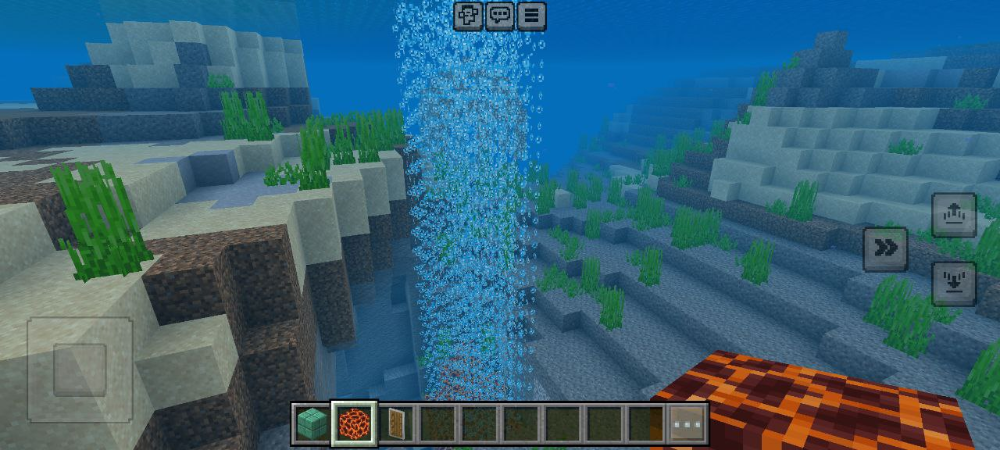
- Underwater mechanisms and elevators: In the Update Aquatic (1.13), magma gained a new mechanic. If placed underwater, it creates a bubble column that forcefully pulls objects and entities downward. This property is used to create fast water elevators and clever traps for underwater mobs.
- Base defense: The damage from the magma block makes it an excellent material for moats and defensive perimeters around homes. Additionally, you can safely walk on it if you enchant your boots with «Frost Walker» or drink a fire resistance potion.
- Decoration and lighting: The block emits a dim light (level 3), pulsing with orange cracks. This makes it a great choice for creating a sinister atmosphere in castles, forges, or themed builds.
Share your experience
The magma block has come a long way from a simple piece of hot stone to an indispensable component of complex mechanisms. It perfectly demonstrates Minecraft’s philosophy: even the simplest-looking item can drastically change gameplay if you use your imagination.
How do you use magma blocks in your worlds? Do you build efficient gold farms in the Nether, create hidden underwater bases with water elevators, or simply decorate your homes? Share your ideas and creative uses in the comments!
- publishedMceadmin
(Google Ads) Privacy Policy and Terms of Use


