The Mystery of the Starter House in Minecraft: The Story of Its Appearance and Disappearance
- Android: 8,0+🕣 Updated
- CategoryInstructions
![The Mystery of the Starter House in Minecraft: The Story of Its Appearance and Disappearance]()

Modern Minecraft drops the player into a random point in a vast world, leaving them alone with the wilderness. You spawn with an empty inventory and must quickly gather wood before night falls. However, it wasn’t always like this. In the early days of the game’s development, there was a unique structure — the starter house, which served as the first and only safe haven for new players. This historical detail often escapes even the most dedicated fans.
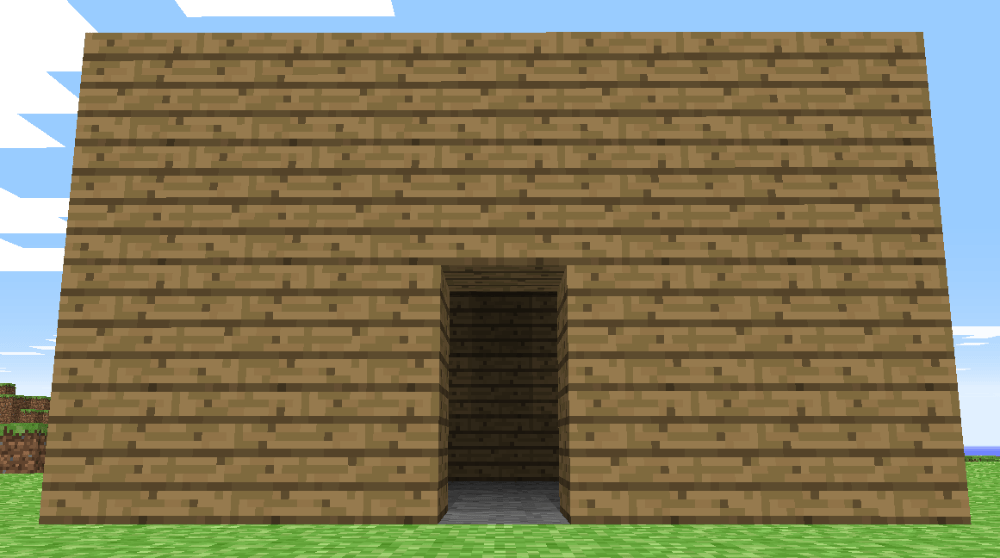
What Was the Starter House and What Did It Look Like?
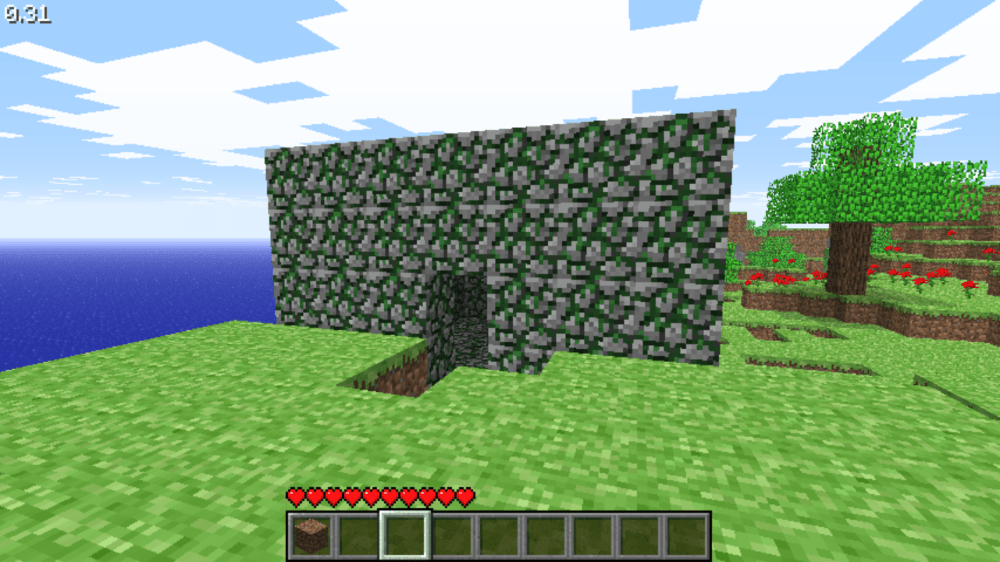
The starter house (or Indev House) was a small, pre-generated structure where the player spawned when creating a new world. It was added to the game in late 2009 during the testing phase of the Indev version (0.31).
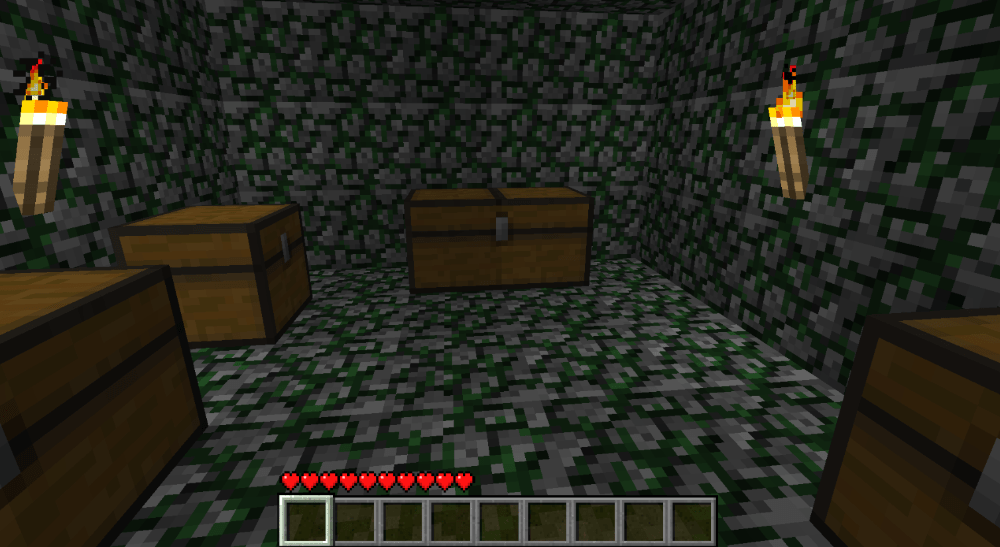
The house’s appearance was far from the architectural masterpieces players build today. It was a simple cubic structure. Most often, the walls were made of mossy cobblestone, dirt, planks, or even glass, depending on the specific version of the generator. Inside, there were torches for lighting and chests filled to the brim with basic resources, blocks, and tools. The structure served as a kind of safe zone and storage for testing mechanics.
Why Was It Needed?
During the Indev era, Minecraft worlds were limited in size. The game was just beginning to develop its core crafting and building mechanics. The starter house served two important functions:
- Initial Protection: Players had immediate shelter from aggressive mobs that spawned in the dark.
- Inventory Testing: Markus Persson (Notch) used the house’s chests to give players access to new blocks and items that needed testing before crafting recipes were introduced for them.
Reasons for Changes and Removal from the Game
The era of starter houses didn’t last long. By February 2010, with the game transitioning to the Infdev stage, the structure was permanently removed.
The main reason for the change was the shift from limited maps to infinite world generation. Developers realized that the essence of Minecraft lies in survival, overcoming challenges, and creative freedom. A ready-made shelter and chests full of resources removed an essential element of progression. Players needed motivation to explore the world, gather materials on their own, and build shelters that reflected their individuality.
The New Survival System
Instead of a ready-made house, developers implemented the spawn system we know today. The player spawns in a random biome completely empty-handed. The only concession for beginners was the «Bonus Chest» option, added much later. It provides only a minimal set of wooden or stone tools and some food, acting as a spiritual successor to the old Indev chests but without breaking the survival balance.
This paradigm shift transformed Minecraft from a simple block sandbox into a true survival game, where the first house built from dirt and planks evokes a genuine sense of pride.
Share Your Thoughts
The story of the starter house reminds us of how far Minecraft has come since its creation. Tell us in the comments, did you know about this feature in the early versions of the game? Would you like to see an option in modern gameplay to generate a small starter base when creating a world, or do you think a hardcore start with empty pockets is the ideal path for every miner? We look forward to your thoughts!
- publishedMceadmin
(Google Ads) Privacy Policy and Terms of Use


