From Gray Stone to Infinite Universe: How Cobblestone Became the Foundation of a Legend in Minecraft
- Android: 8,0+🕣 Updated
- CategoryInstructions
![From Gray Stone to Infinite Universe: How Cobblestone Became the Foundation of a Legend in Minecraft]()

Every great world starts small. For Minecraft, the game that forever changed the industry and captured the hearts of millions of gamers, this beginning was a simple cobblestone. In 2009, Markus Persson, known to the community as Notch, laid the first virtual stone in the foundation of the future sandbox. Today, the game offers thousands of unique materials, but the story of how a solitary cobblestone block turned into an infinite universe of possibilities deserves special attention.
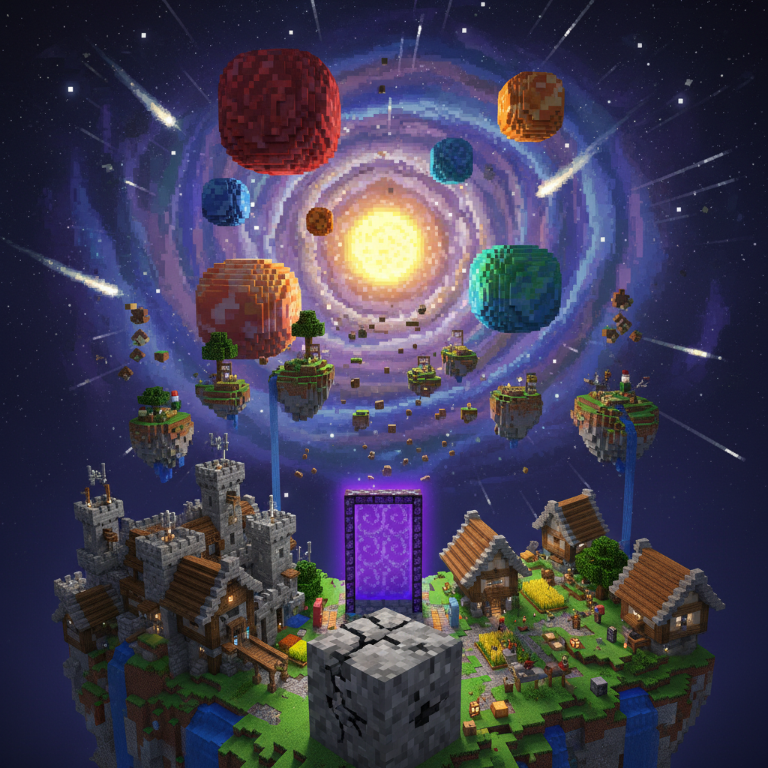
How Cobblestone Laid the Foundation of the Game
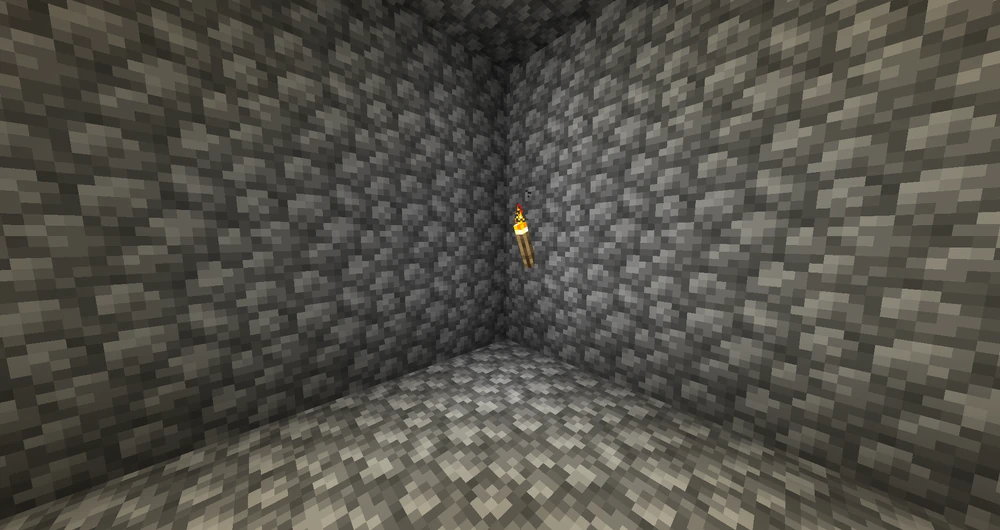
In the earliest stages of development, even before the familiar Alpha and Beta versions, Minecraft was an experimental playground. The creator needed a simple yet visually clear element to test basic mechanics: placing and destroying objects in a three-dimensional space.
Cobblestone was perfect for this role. Its gray, contrasting texture stood out well, and the concept of stone was universal and understandable to any player. It was on this block that the game’s physics were tested, generation algorithms calculated, and engine stability verified. Cobblestone became the starting point that proved the voxel world concept worked and was engaging.
Reasons for Evolution: Why New Blocks Were Needed
When the basic mechanics of destruction and construction were refined, it became clear that one material was not enough to sustain interest. Development smoothly transitioned into the Classic phase, and the game required expansion. The main reasons for adding new blocks were:
- Visual variety. Building castles and houses solely from gray stone was boring. Players wanted to express themselves, so developers introduced dirt, planks, sand, and leaves.
- Development of survival mechanics. To turn Minecraft from a simple "building platform" into a full-fledged game, resources were needed. The introduction of ores (coal, iron, diamonds) gave players a goal to explore dungeons.
- Formation of ecosystems. Trees, water, and lava brought life to the world, creating conditions for the generation of various biomes.
The Birth of a New System and Its Impact on Gamers
The addition of new blocks completely changed the rules of the game. With the arrival of the Indev and Infdev versions, the crafting system was introduced in Minecraft. Now blocks could not only be placed but also combined to create tools, weapons, and mechanisms.
The introduction of redstone had a particularly significant impact on the community. This unique material allowed players to build logical circuits, automatic farms, and even working processors within the game. Gamers received not just a set of blocks but a powerful tool for creativity and engineering. The game began to encourage exploration: to obtain obsidian for a Nether portal, players had to use ingenuity and combine water with lava. Each new block unlocked an entirely new layer of gameplay, making Minecraft deeper and more replayable.
Conclusion
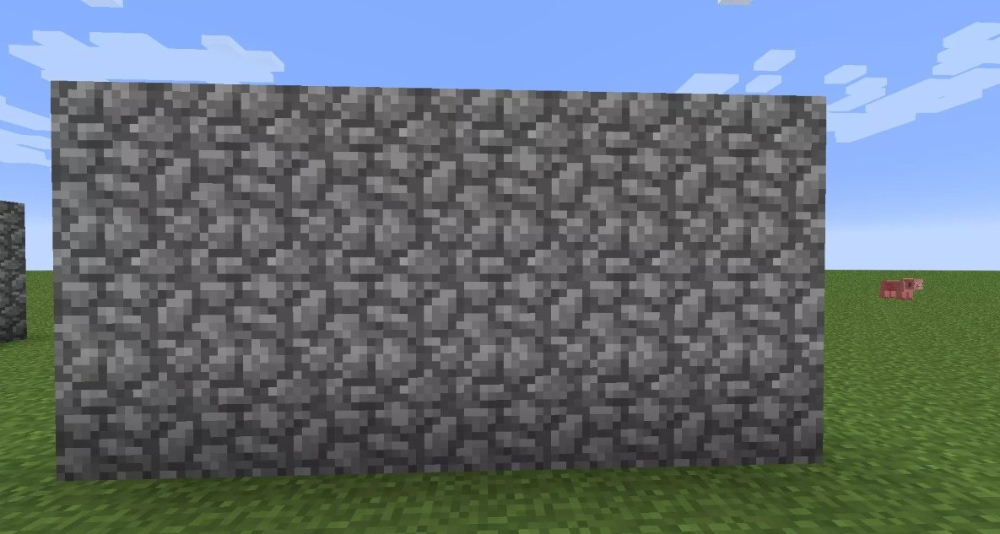
The journey from a solitary cobblestone to a massive ecosystem with thousands of elements — is a story of how bold experiments and attention to players' needs create masterpieces. Minecraft evolved alongside its community. Developers provided gamers with new tools, and in turn, they built incredible worlds with them.
We’re sure everyone remembers their first dirt house or that moment when they mined their first diamonds. What block in Minecraft do you consider the most important for the game’s development? Share your stories and opinions in the comments — let’s discuss how our favorite sandbox changed our perception of video games!
- publishedMceadmin
(Google Ads) Privacy Policy and Terms of Use


