Colony Survival vs Minecraft: a similar world, but a very different challenge
- Android: 8,0+🕣 Updated
- CategoryInstructions
![Colony Survival vs Minecraft: a similar world, but a very different challenge]()

Colony Survival is an unusual sandbox game with elements of strategy, building, and base defense. It entered early access on June 16, 2017, and quickly caught the attention of players who enjoy blocky worlds, crafting, and freedom of action. At first glance, it may resemble Minecraft, but after just a few minutes it becomes clear: the focus here is not only on survival and creativity, but also on managing an entire settlement.
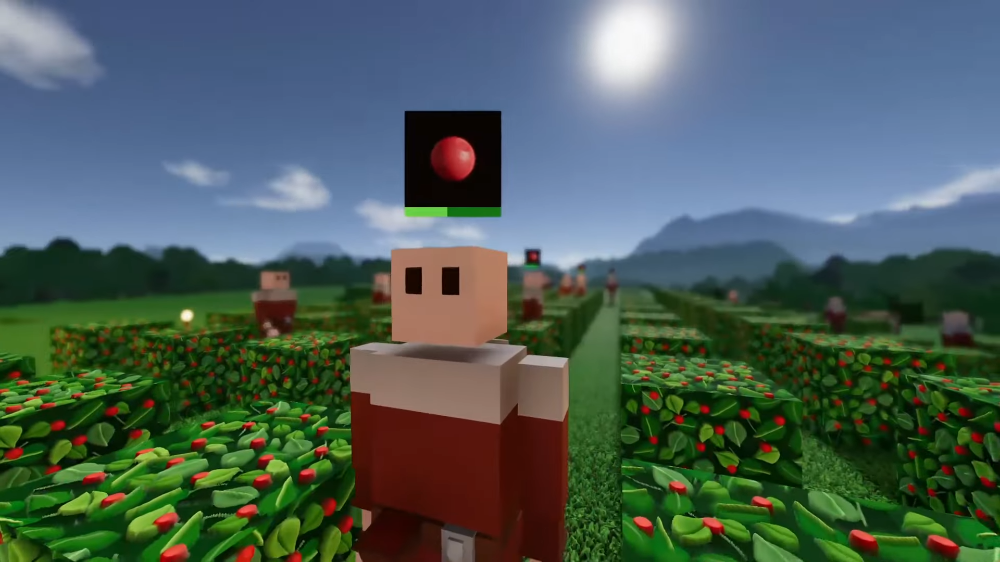
Not just building, but the life of a whole colony
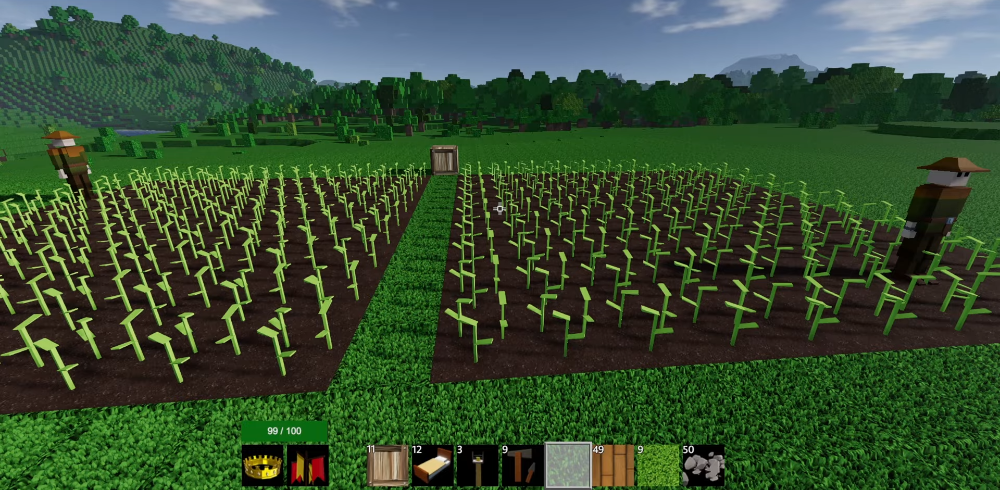
The core idea of the project is not simply to gather resources and build a house, but to create a working system. The player founds a settlement, hires colonists, and assigns them roles. Some grow food, others gather materials, and others handle crafting or defense. The result is a mix of building sandbox and light economic strategy.
This is exactly what makes the game stand out among other block-based projects. What matters here is not only where to place a wall or tower, but how to organize internal logistics. If the colony is poorly supplied with food or ammunition, serious problems begin at night. This approach adds depth and pushes the player to think several steps ahead.
When night is a test for the entire base
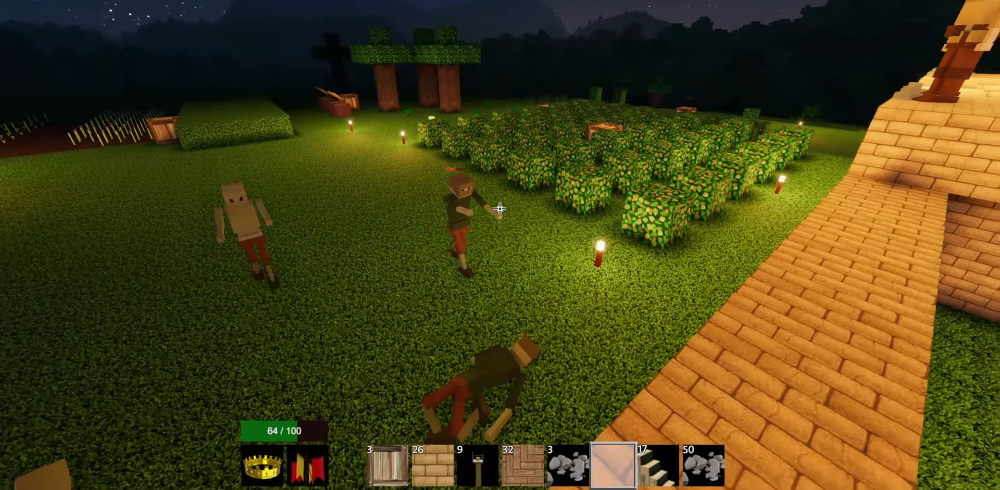
One of the main features is regular monster attacks. During the day, the player builds, digs, develops production, and expands the settlement’s borders. At night, the real test begins. Enemies march toward the colony banner, while archers, guards, and well-planned fortifications hold the defense.
Because of this, the usual sandbox freedom gains a clear purpose. You do not just create a beautiful place — you build it so it actually works in combat. This “development by day — defense by night” cycle makes the experience especially engaging. For many players, this is what creates a sense of constant progress: every new wall, farm, or warehouse affects the survival of the entire base.
Where the similarity ends and its own path begins
The resemblance to Minecraft is obvious right away: blocky graphics, building with blocks, resource gathering, item crafting, and an open world. For fans of the genre, getting into the game feels easy. The visual style is familiar, and the basic actions are intuitive even for newcomers.
But there are plenty of differences too. If Minecraft is more often seen as a space for personal survival, exploration, and creativity, here managing a group of characters matters much more. The player acts not only as a builder, but also as a leader. You have to monitor professions, production chains, safety, and the settlement’s growth. In other words, this is not just a story of “built a house and went to the mine,” but a more system-driven game about organizing life.
Why the project quickly found its audience
The game’s popularity can be explained by several factors. First, it successfully combined a familiar visual style with strategy mechanics. Second, the developers focused on a gameplay loop that is easy to learn, yet hard to put down. Third, players were drawn to the idea of watching a small camp grow into a full-fledged fortress with workers, farms, and defenders.
A big part was also played by the fact that the project appealed to streamers and co-op fans. Discussing base layouts, arguing about the best defense system, and surviving nightly attacks together turned out to be highly entertaining. Thanks to this, an active community formed around the game and kept interest alive even years after release.
Why it still draws players in today
The game’s impact on players is tied above all to the feeling of responsibility and control. It is satisfying not only to build here, but also to see the results of your decisions. Every new colonist, every well-tuned production chain, and every successfully survived night creates the sense that you are truly managing a living settlement.
In the end, Colony Survival can be called a strong example of how a familiar formula can feel fresh again. It takes a clear foundation that many associate with Minecraft and adds strategic depth, team organization, and constant tension. For those who love blocky worlds but want not only to build, but also to lead, it is a genuinely interesting experience.
- publishedMceadmin
(Google Ads) Privacy Policy and Terms of Use


