Block Story and Minecraft: two similar games with different character
- Android: 8,0+🕣 Updated
- CategoryInstructions
![Block Story and Minecraft: two similar games with different character]()

Block Story is an adventure sandbox with cubic graphics that is often compared to the iconic Minecraft. At first glance, the games really do look similar: an open world, resource gathering, building, and battles with monsters. But this project has its own features that noticeably change the gameplay experience. This game puts more emphasis on RPG elements, quests, and character progression, which is why it has built its own audience among fans of survival and fantasy.
From a mobile release to its own audience
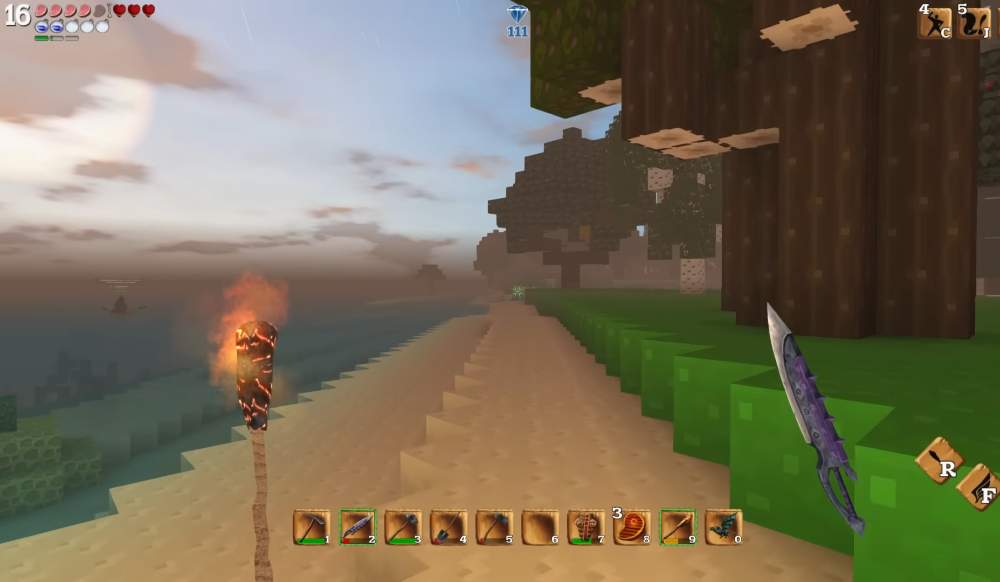
The game was developed by the Mindblocks studio. It first launched on mobile devices in 2012 and later appeared on PC as well. At a time when the cubic sandbox genre was rapidly gaining popularity, the project quickly caught the attention of players looking for something similar to the famous sandbox, but with a stronger story and a quest system.
One reason for that interest was its successful blend of familiar cubic aesthetics and RPG elements. The developers did not simply offer another building sandbox. They added dragons, magic, hero progression, quests, and world exploration with a clearer sense of purpose. Because of this, the project was seen not as a direct clone, but as a separate attempt to expand the genre’s formula.
What makes the game engaging from the first minutes
The game’s main feature is its mix of genres. It includes building and survival, as in classic sandbox games, but at the same time the player receives quests, fights bosses, and gradually strengthens their hero. This approach makes it more directed: you more often have a specific goal, not just freedom of action.
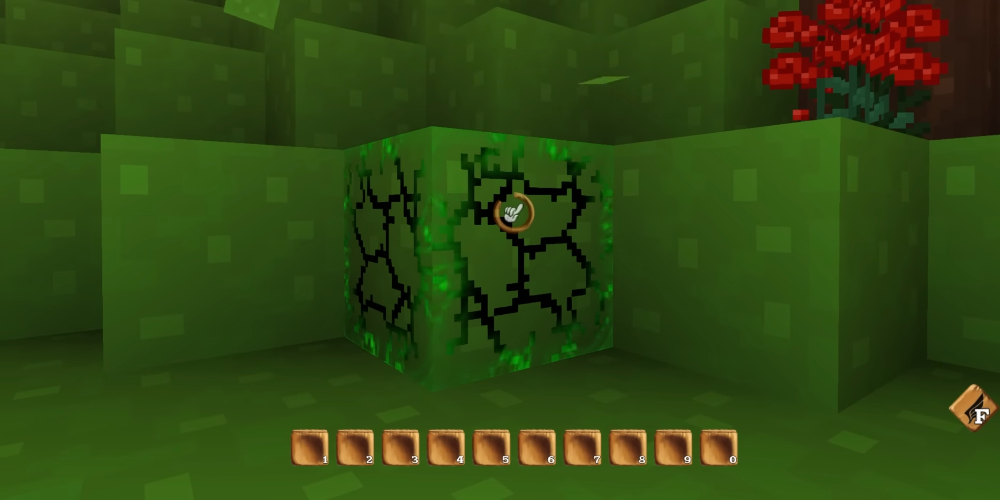
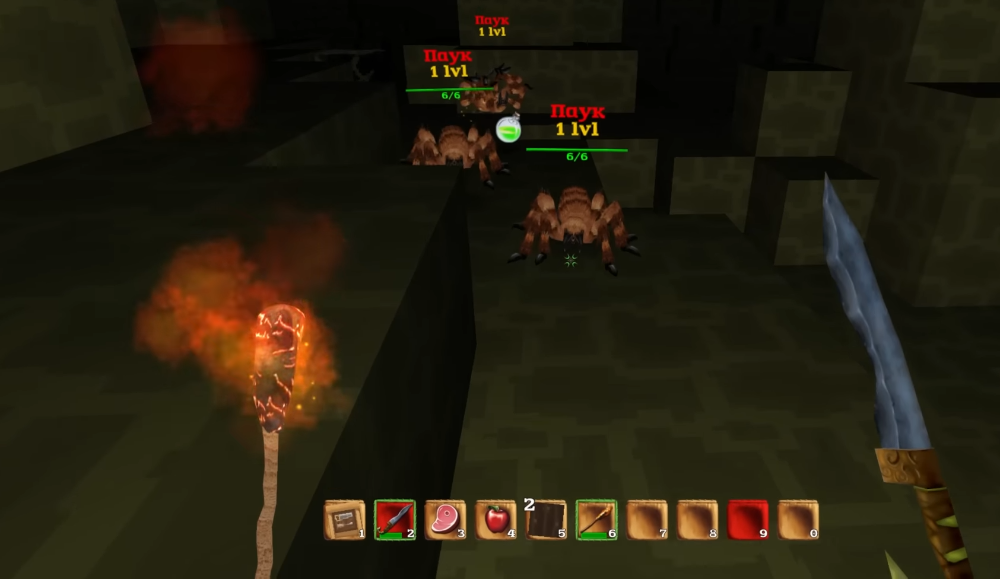
The game world consists of cubic biomes where you can gather resources, build houses, craft weapons, and explore dungeons. At the same time, much attention is given to its fantasy atmosphere. It features dragons, magical items, and unusual creatures, which makes it stand out strongly from the more neutral world of the iconic sandbox.
Another important feature is the character progression system. Players can improve their stats, upgrade equipment, and use different combat styles. This adds a sense of progress that especially appeals to those who enjoy RPG mechanics. For many, this system is exactly what makes them stay with the game for a long time.
Where the familiar Minecraft traits begin
The similarities between this game and the iconic sandbox are obvious even on first launch. Both use block-based graphics, let players gather resources, craft items, build structures, and survive in an open world. Both also focus on exploration, freedom of action, and gradually mastering the surrounding environment.
In addition, both games appeal to the same type of player: those who enjoy creating things with their own hands, experimenting, and finding their own playstyle. If you like resource gathering, base building, and traveling through procedurally similar worlds, this project will feel familiar from the very first minutes.
Not just Minecraft: how the game follows its own path
Despite the visual similarity, the difference between the games is noticeable. The iconic sandbox focuses on maximum freedom and creativity. In it, the player decides for themselves what to do, while the story hardly guides their actions at all. This game, by contrast, more often leads the player through quests and a progression system.
The second major difference is its RPG side. Here, magic, leveling, tasks, and battles with fantasy creatures are more strongly expressed. This makes the project closer to an RPG set in a cubic world. At the same time, the original remains a more universal sandbox, where survival and building mechanics come first.
The atmosphere is different as well. The iconic sandbox creates the feeling of a simple yet deep world that the player fills on their own. This project offers a more fairy-tale-like and adventurous mood. For some players, that is a plus because the game feels more eventful. For others, it is a minus if they value pure freedom without extra boundaries.
The result of this cubic adventure: who this game will really suit
The game attracted those who wanted the familiar formula of the iconic sandbox, but with quests, magic, and a clearer progression system. For some players, it became a convenient alternative, especially on mobile devices. And although the project could not come close to the original in popularity or cultural impact, it still found its place among unusual cubic sandbox games.
In the end, this is not just «another project in the spirit of the famous sandbox», but a standalone game with a fantasy focus and RPG elements. If you like the sandbox genre but want more quests, progression, and adventure, it is worth a closer look. And what do you think: is this game an interesting alternative to the original, or is it still a project for a narrow circle of fans?
- publishedMceadmin
(Google Ads) Privacy Policy and Terms of Use


