Cubic action with personality: what you should know about Murder Miners and its similarity to Minecraft
- Android: 8,0+🕣 Updated
- CategoryInstructions
![Cubic action with personality: what you should know about Murder Miners and its similarity to Minecraft]()

Murder Miners is an intriguing indie project often compared to Minecraft because of its familiar cubic visuals. But a closer look makes one thing clear: this is not just another sandbox about building and crafting, but a game focused on gunfights, survival, and multiplayer action. Here, the blocky style is used not for calm creativity, but for speed, tension, and quick reactions.
This approach made the project especially noticeable to players who enjoy voxel aesthetics but want more intensity. Instead of slow world exploration, the focus here is on pace, tactics, and constant readiness for enemy encounters. That is exactly what sets the game apart from more traditional representatives of the genre.
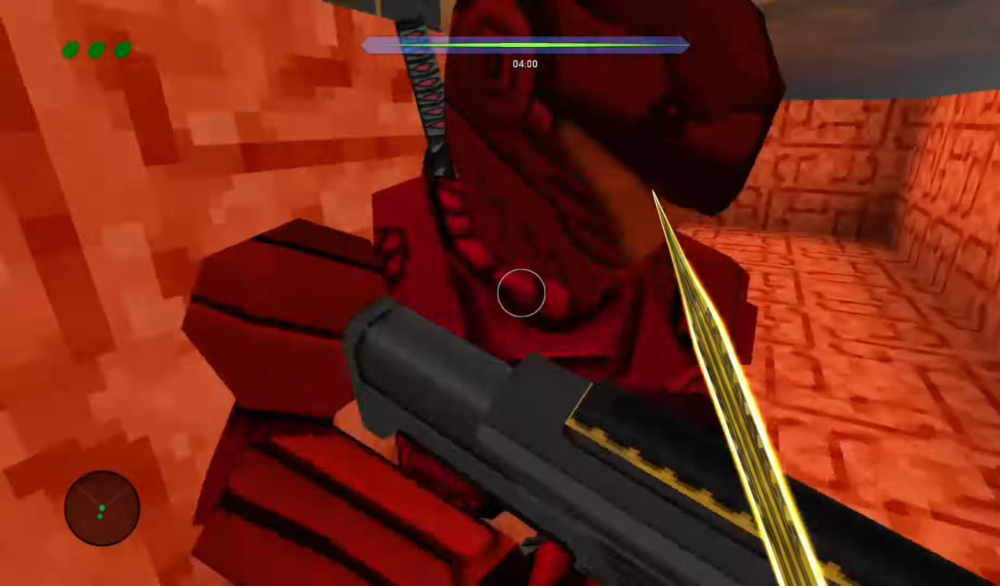
From indie experiment to its own niche
The game was developed by JForce Games. It launched on PC via Steam in 2014, though it had already drawn attention from the Xbox Live Indie Games audience earlier. That was a period when Minecraft’s popularity inspired many developers to experiment with cubic graphics, destructible environments, and freedom of interaction with the world.
Against the backdrop of major releases, the project did not become a huge hit, but it still found its audience. Much of that came from the fact that its creators did not try to copy the successful formula of the famous sandbox literally. They took a recognizable visual foundation and combined it with elements of classic first-person shooters. The result was a game that looks familiar, but feels completely different.
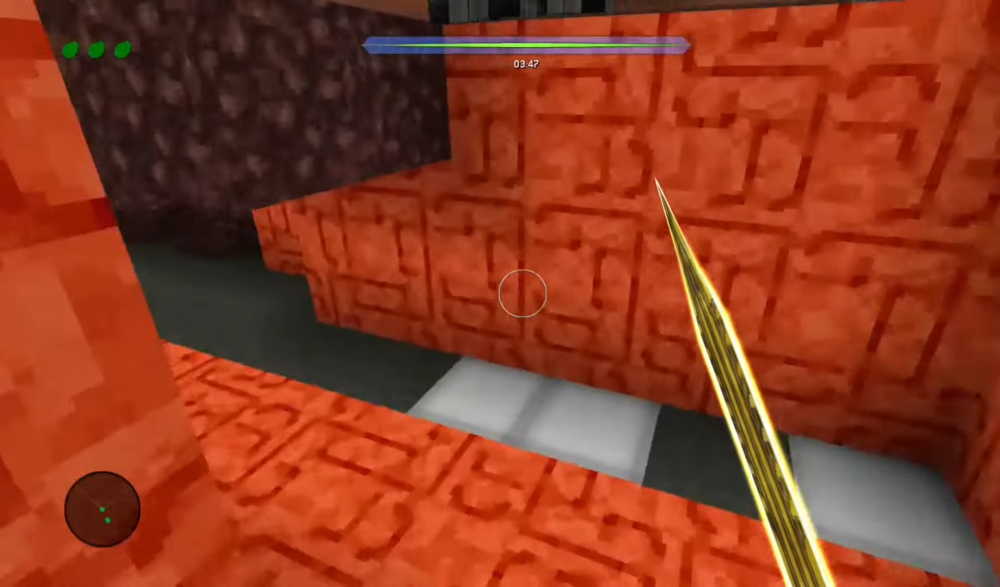
When blocks become weapons
The main feature of Murder Miners is its combination of a first-person shooter with a world made of blocks. Players move across maps, use weapons, fight each other, and fend off opponents in more intense modes. Because of this, every session feels fast, lively, and fairly unpredictable.
Its interaction with the environment also deserves attention. Blocks matter here not as tools for long-term construction, but as part of combat tactics. Players can reshape the space around them, look for cover, open new paths, or rebuild part of the map to fit the current situation. This adds flexibility to matches and makes combat less repetitive.
Another advantage is how easy it is to get into. There is no overload of complex progression systems, confusing crafting, or long preparation before the action begins. The game introduces the basics quickly and almost immediately throws the player into the middle of events. That is why it works well for those who value a fast and intense gameplay experience.
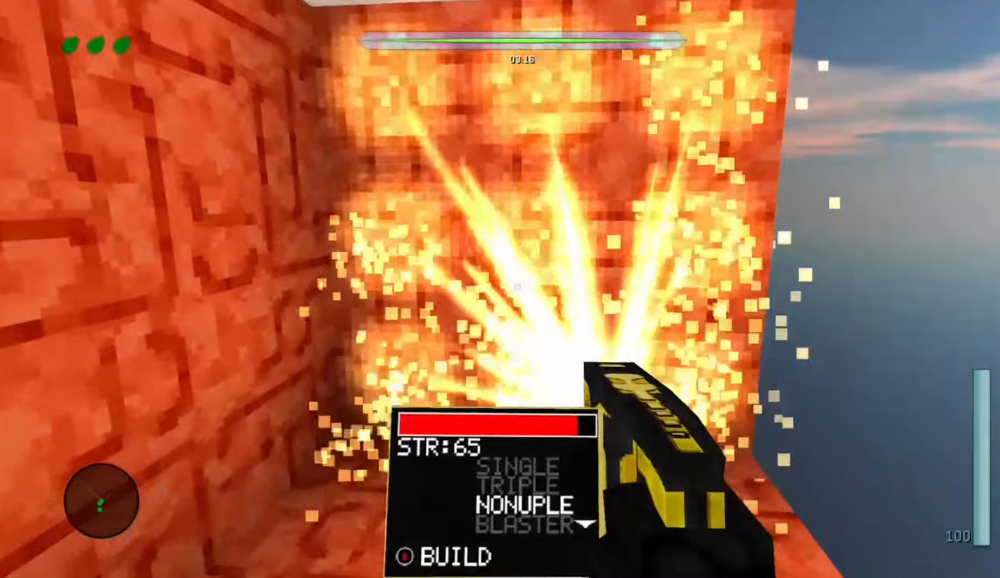
Why comparison with Minecraft is inevitable
The similarities are obvious at first glance. First of all, there are the voxel visuals and the very concept of a world built from blocks. In addition, in both games the environment is not just a backdrop, but an important part of gameplay. It can be used to the player’s advantage, reshaped, and factored into strategy.
There is also another shared element: a sense of freedom. Yes, in this project it is not as broad as in a classic sandbox, but the player still gets room to experiment. You can try different routes, change your combat style, and use the map in unconventional ways. It is exactly this familiar sense of flexibility that creates associations for fans of the genre.
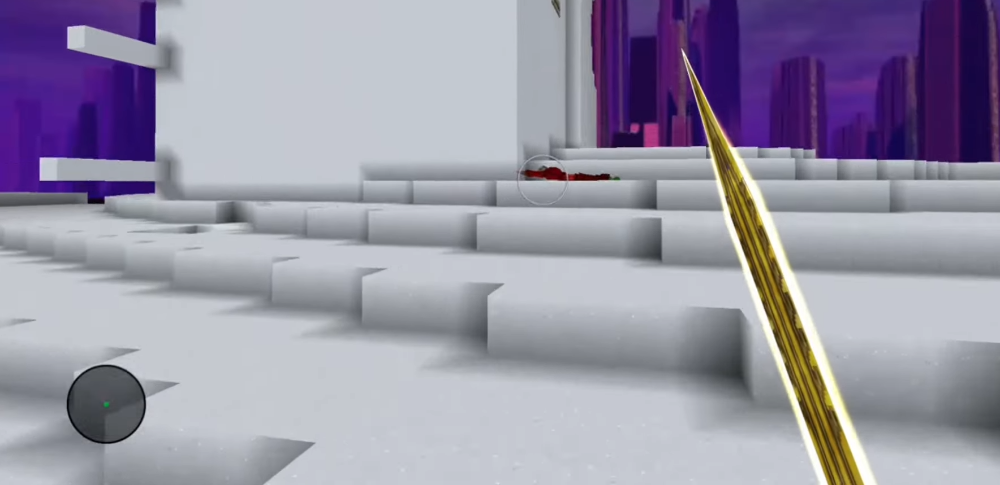
Not a sandbox, but an arena
Despite the outward similarity, the differences between the games are far more important than they may seem at first. Minecraft is built around exploration, resource gathering, construction, and the gradual creation of your own world. Here, by contrast, the focus is on combat, weapons, tense encounters, and a more aggressive pace.
The difference is especially noticeable in rhythm. Where one game can be calm, almost meditative, and creative, this project bets on speed and pressure. Even working with blocks here serves not aesthetics, but survival and tactical advantage. The world becomes not a place for self-expression, but part of the combat system.
The audience is different as well. One game became a global phenomenon for millions of people of all ages. The other remained a niche but distinctive project for those interested in a mix of old-school shooter design and a cubic world. And that is its main value: it does not try to be everything for everyone, but offers a specific, recognizable experience.
Conclusion: familiar style, different genre
Murder Miners cannot be called a replacement for Minecraft — it is better seen as an independent take on how blocky aesthetics can work in a dynamic action format. The game uses a recognizable visual language, but fills it with very different content: firefights, tension, and fast matches where reaction speed and tactics matter.
If you like the cubic style but want more movement, weapons, and competitive energy, this project is well worth your attention. And what do you think: do games like this successfully develop the genre’s ideas, or do they remain only interesting experiments built on a familiar foundation?
- publishedMceadmin
(Google Ads) Privacy Policy and Terms of Use


