Archaeology in Minecraft: everything you need to know
- Android: 8,0+🕣 Updated
- CategoryInstructions
![Archaeology in Minecraft: everything you need to know]()

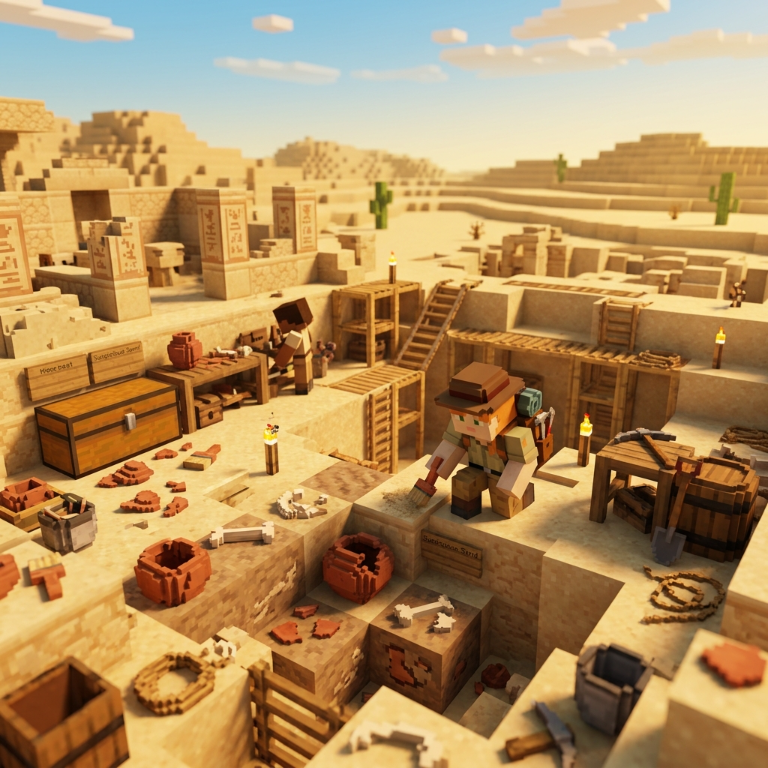
Minecraft keeps surprising players with new mechanics, and archaeology was one of the most anticipated. This system finally arrived in the 1.20 «Trails & Tales» update and opened up a whole new way to explore the game world. Now you can literally dig up history right beneath your feet.
What is archaeology in Minecraft?
Archaeology is a gameplay mechanic that lets you find historical artifacts hidden inside special blocks of suspicious sand and suspicious gravel. It was first announced at Minecraft Live in October 2020, but the developers delayed the feature three times: first it was meant for the Caves & Cliffs update, then for The Wild Update, and only in 2023 did it finally reach players in version 1.20.
How the mechanic works: brush, sand, and gravel
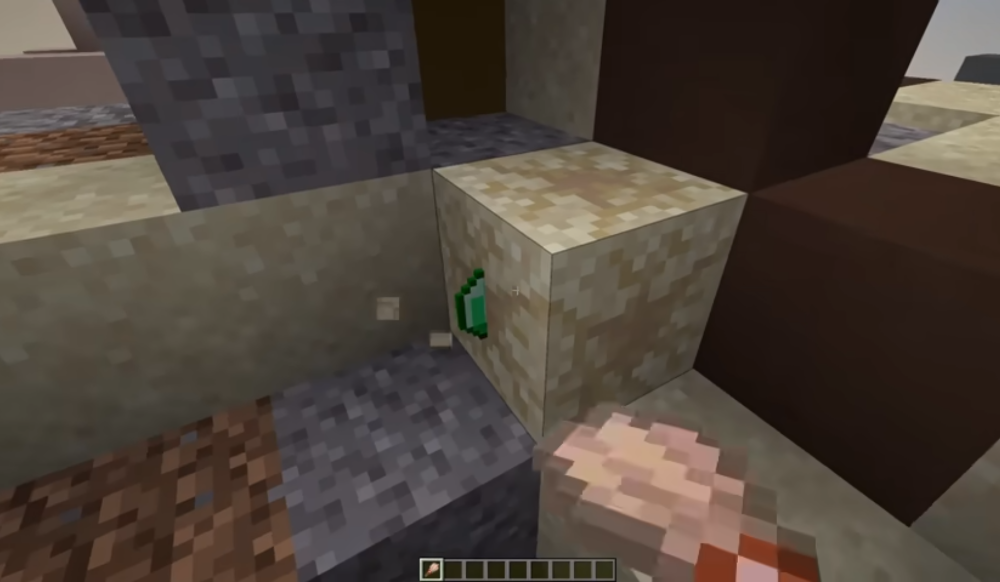
The key tool of any archaeologist is the brush. You can craft it from a feather, a copper ingot, and a stick. It is used to carefully clean suspicious sand and suspicious gravel blocks in order to pull out the item hidden inside.
There is one important detail here: if a suspicious block falls or is broken without a brush, it will be destroyed, and all the loot inside will be lost forever. So haste and carelessness are the main enemies of a good archaeologist.
Where to look: structures for digging
Suspicious blocks do not appear everywhere — only in certain structures:
- Desert temples — contain suspicious sand with pottery sherds, emeralds, and even diamonds.
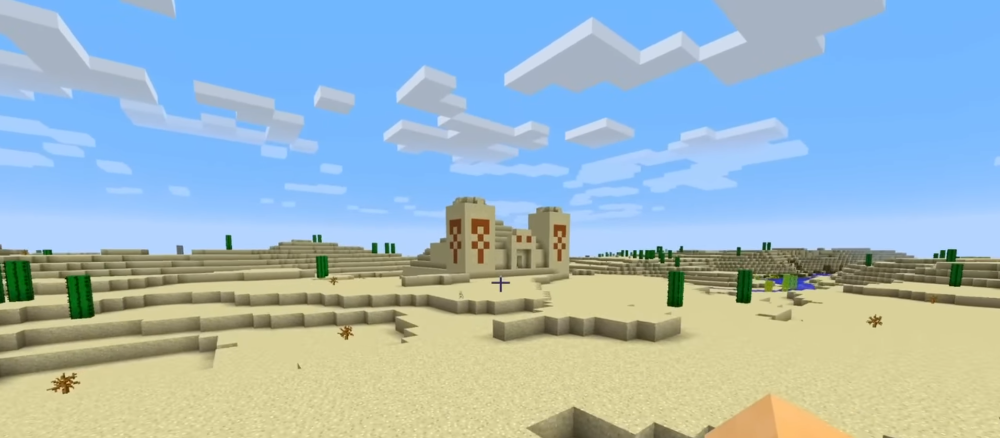
- Desert wells — another dig site in deserts, where you can find pottery sherds and suspicious stew.
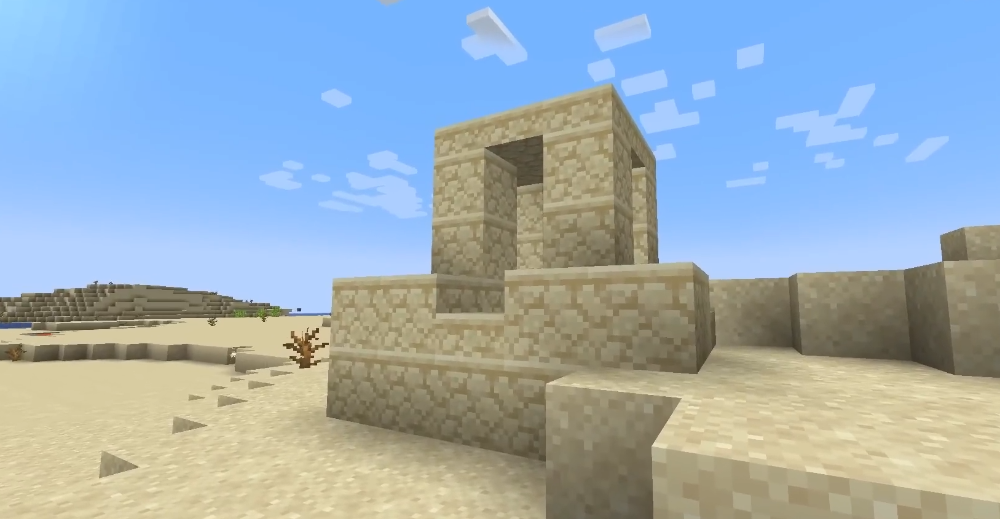
- Warm ocean ruins (made of sandstone) — hide suspicious sand, and inside it, a sniffer egg and other rare items.
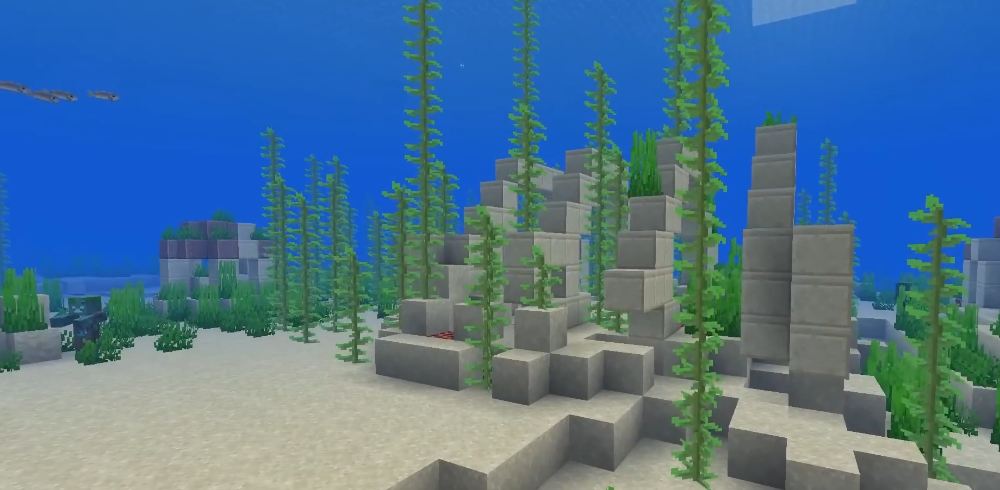
- Cold ocean ruins (made of stone bricks) — contain suspicious gravel with tools and resources.
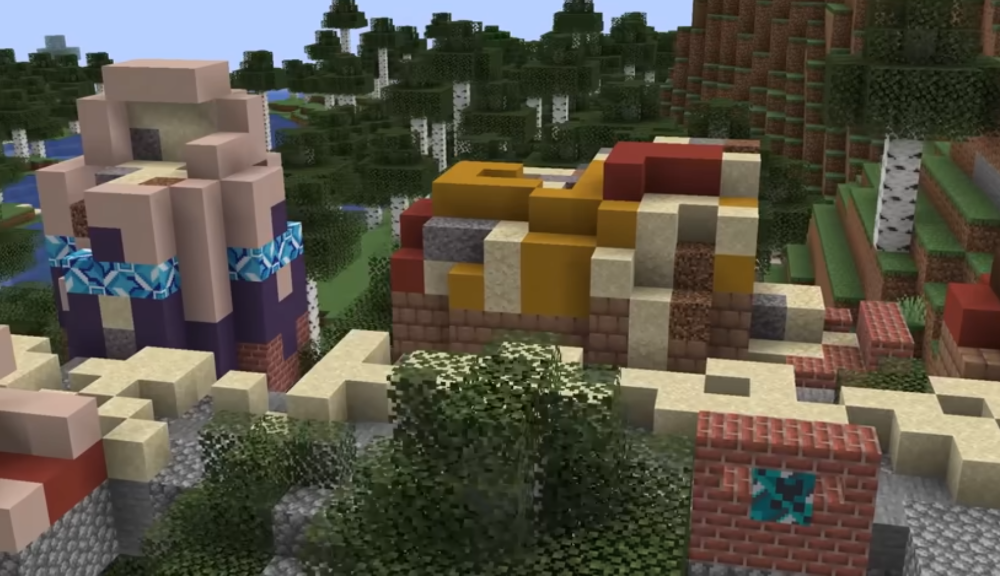
- Trail Ruins — the richest structures for loot, hidden in taigas, jungles, and birch forests.
What you can find: loot and artifacts
The contents of suspicious blocks depend on the structure where they are found. Here is what you might get:
- Pottery sherds — 20 unique types with different symbolic patterns. You can only get them through excavation — they cannot be crafted.
- Emeralds and diamonds — a nice find in desert temples.
- Sniffer egg — a rare item from warm ocean ruins that hatches into a snifflet.
- «Relic» music disc — a music disc found exclusively in Trail Ruins.
- Armor trims, dyes, clay, and hanging signs — all of these can also be dug up in Trail Ruins.
Impact on gameplay: collecting and decorated pots
For many players, archaeology became more than just a way to get resources — it turned into a real hobby. Collecting all 20 types of pottery sherds is no easy task, since each one appears only in specific structures.
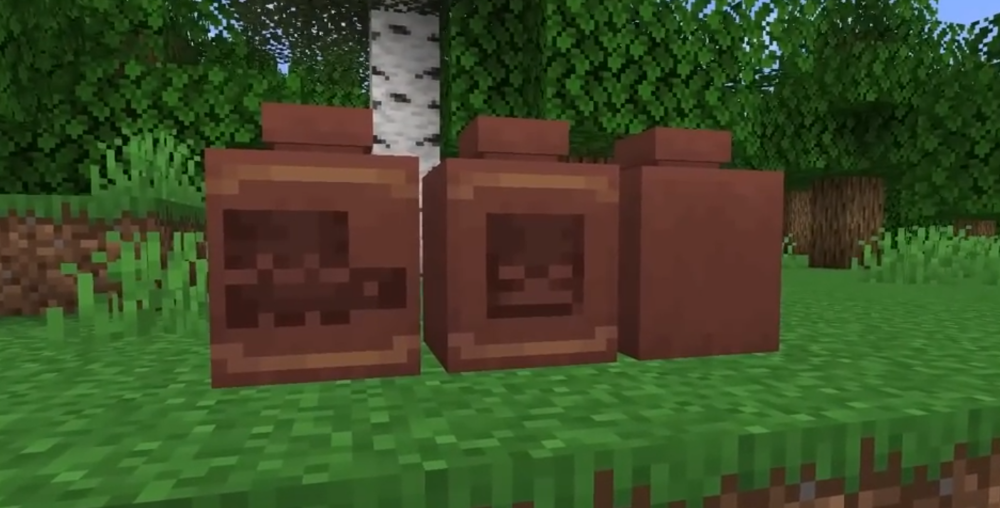
Pottery sherds are used to create decorated pots: four sherds are placed in a diamond shape, and each side of the pot gets a unique pattern. The pot is very fragile — if hit with a tool, it breaks into its component parts, and the only way to keep it intact is with the «Silk Touch» enchantment. This adds an element of collecting and interior decoration to the game.
There are also achievements for digging: «Respecting the Remnants» is awarded for finding your first pottery sherd, and «Smells Interesting» for obtaining a sniffer egg.
Archaeology in Minecraft is a small but genuinely atmospheric mechanic that makes exploring the world feel more meaningful. Every dig becomes a little adventure: you never know what is hidden inside the next block of suspicious sand.
Have you tried excavating yet? Share your finds in the comments!
- publishedMceadmin
(Google Ads) Privacy Policy and Terms of Use


