Soul Sand in Minecraft: The Secret of the Incomplete Block and Its Impact on Gameplay
- Android: 8,0+🕣 Updated
- CategoryInstructions
![Soul Sand in Minecraft: The Secret of the Incomplete Block and Its Impact on Gameplay]()

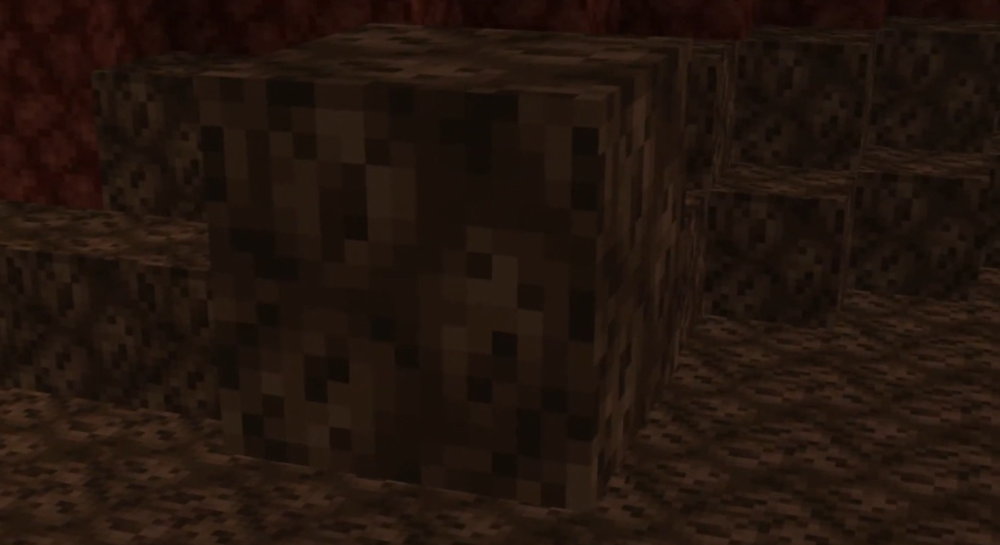
Minecraft is renowned for its attention to detail, and experienced players know that not all blocks in this cubic universe are the same. One of the most interesting and unique materials in the Nether is Soul Sand. If you look closely, you'll notice its height is exactly 15/16 of a standard full block. At first glance, this might seem like a minor detail. But how did this happen, why did the developers implement such geometry, and how does it affect your daily gameplay? Let’s dive into this phenomenon.
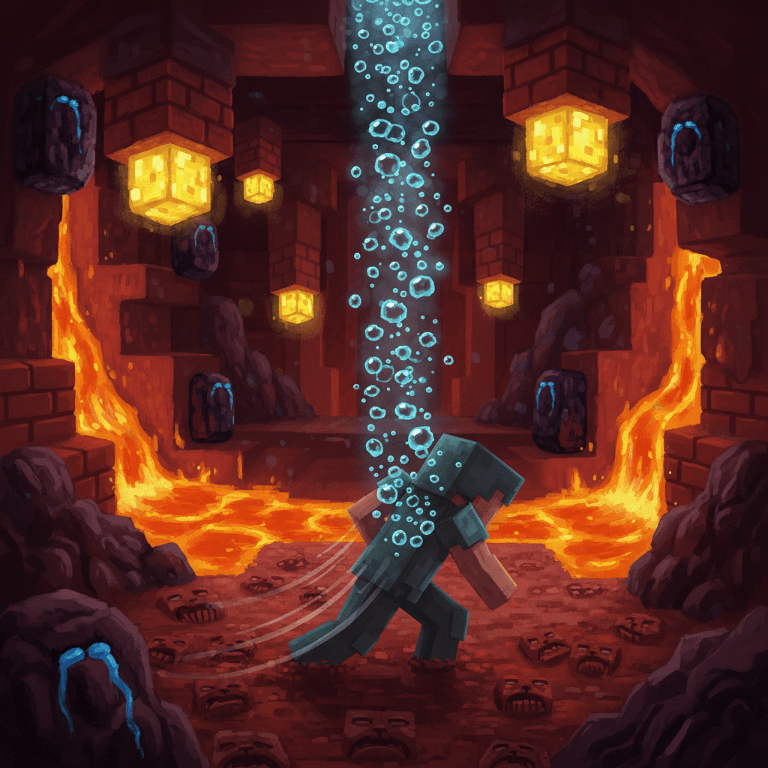
Why Soul Sand Is Shorter Than a Regular Block: Reasons Behind the Change
Initially, Minecraft was built with strict cubes, but as the game evolved, Mojang developers began experimenting with hitboxes (the physical boundaries of objects). Lowering the height of Soul Sand by one pixel is not a visual glitch but a deliberate design decision.
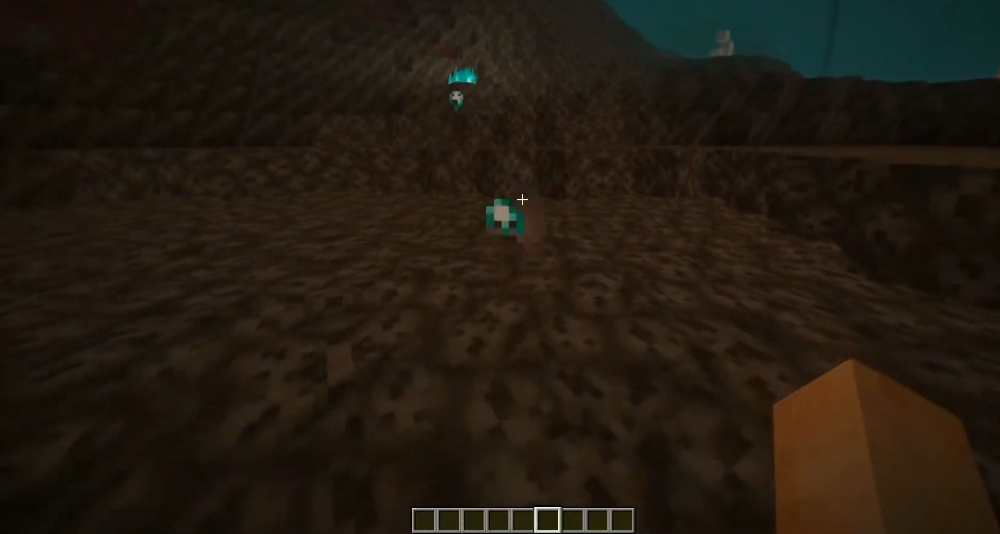
The main reason for this change lies in the immersion mechanics. When your character steps on Soul Sand, they literally sink into it. The reduced block height visually emphasizes this viscosity. You’re not just walking on the surface; you’re sinking into the screaming souls of the Nether. Additionally, this geometry allowed for proper interaction with other blocks, enabling the game system to recognize that the player is within the upper layer of the block, thus applying the slowing effect.
New Version Structure and System Mechanics
With the game transitioning to a new version structure and engine updates, hitbox processing became more precise. In modern updates, this "incomplete" height has become the foundation for an entire system of unique mechanics:
- Bubble Columns: When Soul Sand is underwater, it creates a powerful upward current. The specific hitbox helps the game engine correctly interpret the contact between water and the source of the flow.
- Interaction with Ice: If you place an ice block beneath Soul Sand, the slowing effect is significantly amplified. The new physics system calculates object friction, considering that the player sinks through the top pixel and touches the properties of the lower block.
- Traps and Mechanisms: The specific height allows for the creation of one-way passages and clever redstone systems where mobs or minecarts cannot overcome the tiny height difference without jumping.
Impact on Players and Gameplay
For the average gamer, Soul Sand is both a dangerous obstacle and a powerful tool. In the Nether, these valleys become deadly if you’re being chased by Ghasts or Wither Skeletons (who, by the way, are unaffected by the slowing effect).
However, players have learned to turn this feature to their advantage. Thanks to the block’s unique properties and height, Soul Sand has become an essential element for building fast water elevators. Additionally, base builders often use it as a defense against unwanted guests on servers: a Soul Sand zone slows down enemies, making them easy targets. For potion enthusiasts, this block remains the only soil where Nether Wart can grow.
Conclusion
A single missing pixel in height makes Soul Sand one of the most technically interesting blocks in Minecraft. It’s a great example of how tiny changes in geometry can spawn dozens of new gameplay mechanics, from fast elevators to deadly traps.
How do you use Soul Sand in your worlds? Do you build clever mob traps, water highways, or simply grow potion ingredients? Share your best ideas and builds in the comments below — let’s discuss!
- publishedMceadmin
(Google Ads) Privacy Policy and Terms of Use


