Invisible Wires: How the Anatomy of Quasi-Connections Works in Minecraft
- Android: 8,0+🕣 Updated
- CategoryInstructions
![Invisible Wires: How the Anatomy of Quasi-Connections Works in Minecraft]()

Every redstone explorer eventually encounters a situation where a piston extends as if from nowhere. This is neither magic nor a game glitch. We are talking about quasi-connectivity — one of the most famous and unique mechanics in Minecraft Java Edition. Let’s dive into the history of this phenomenon, understand its principles, and see how it changes the approach to building complex circuits.
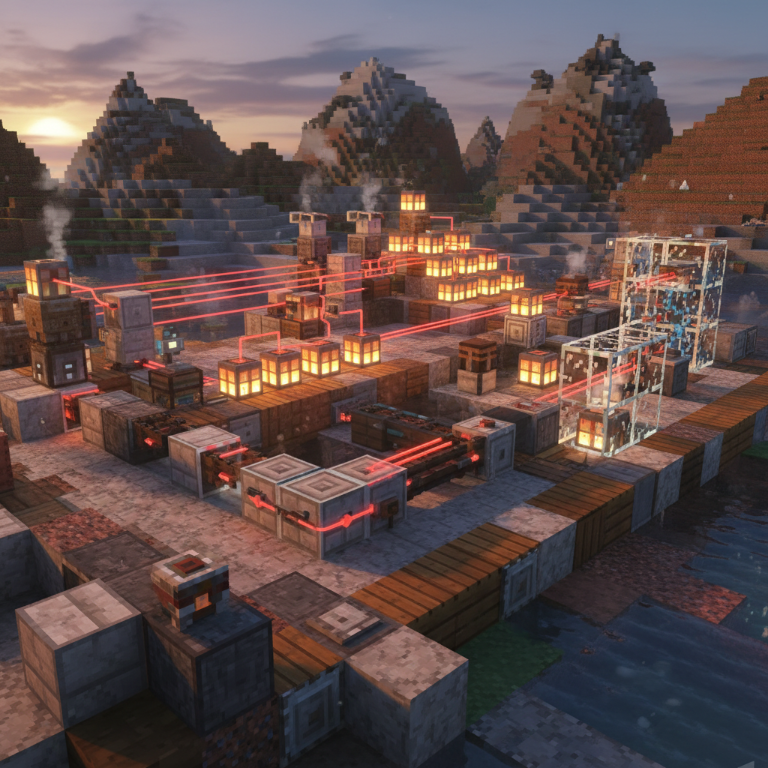
How a Bug Became a Legendary Mechanic
Quasi-connectivity originally appeared in the game by pure accident. When developers added pistons, they reused part of the code from wooden and iron doors. Doors occupy two blocks in height and receive power from the block above them. Pistons inherited this subtle trait.
Players quickly noticed the strange behavior of mechanisms. However, instead of complaining, the community began actively using this feature to create incredible and compact designs. Mojang Studios closely observed the audience's reaction. The developers made a wise decision to officially recognize the bug as an intentional feature. Thus, a common technical oversight turned into a powerful tool for engineers.
How the Quasi-Connectivity System Works
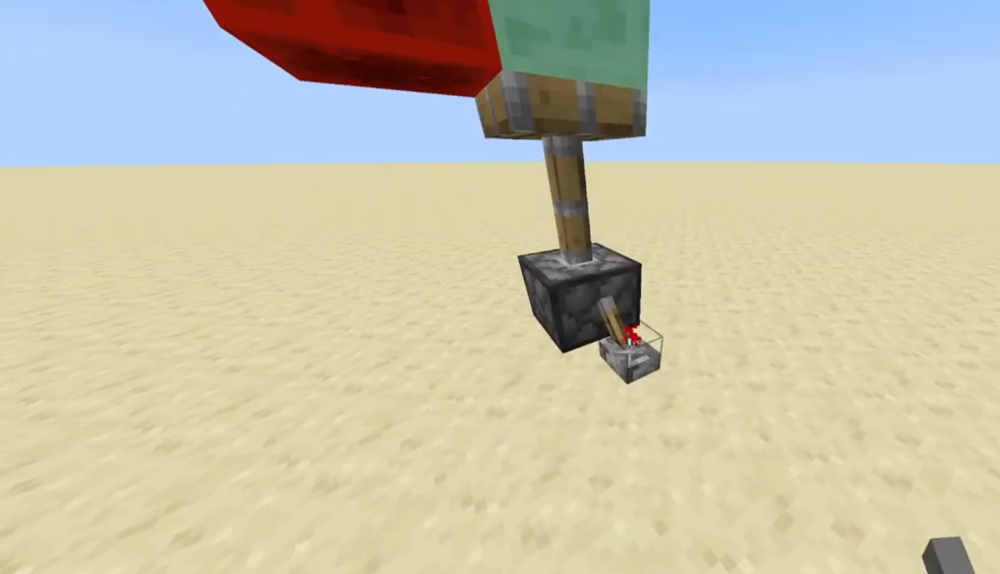
The principle of this mechanic sounds complex, but in practice, it’s quite logical. Imagine there’s an invisible second block above your piston, dispenser, or dropper. If you send a redstone signal to the space above the mechanism (diagonally or one block above), the device gets powered.
Here’s where the system’s main rule comes into play. The mechanism receives energy but doesn’t realize it. It needs a small «nudge» — an update to the state of the adjacent space. If you place a block nearby, move something with another piston, or change the circuit’s state, the charged mechanism will instantly wake up and perform its action. This divides the process into two independent stages: hidden charging and physical activation.
Impact on Players and Applications
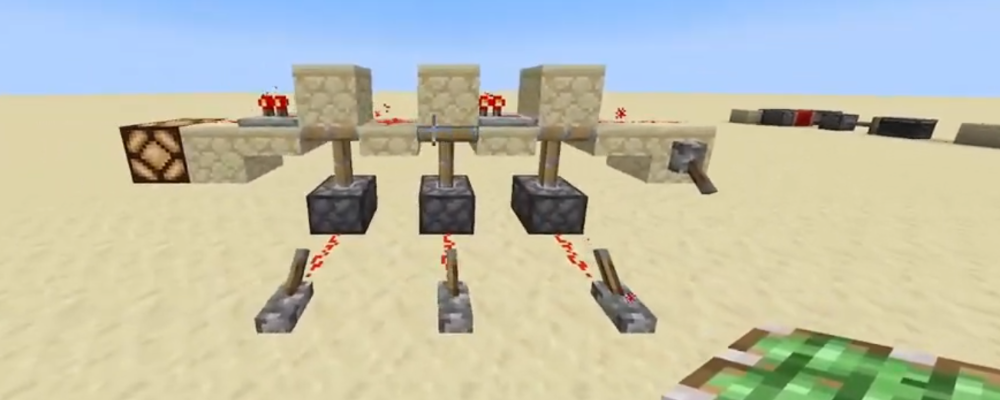
This mechanic completely revolutionized the world of redstone. Thanks to it, we can create astonishingly compact designs that are simply impossible to build in other editions of the game. Before the addition of the observer block, players used quasi-connectivity to create block update detectors. This allowed farms to automatically harvest crops at the moment of maturity.
Today, engineers use this principle to build massive flying machines and complex piston doors. You can transmit signals from top to bottom without the need to construct bulky redstone dust staircases. This makes your builds neat and efficient.
Conclusion
Quasi-connectivity requires some time to study and understand, but it opens up vast creative possibilities. It’s a brilliant example of how randomness can enrich gameplay and create an entire field of in-game engineering. We continue to use this mechanic to optimize our bases, traps, and automated factories.
What do you think about quasi-connectivity? Do you consider it an indispensable feature for complex projects, or does it only confuse newcomers? Share your opinion and tell us about your favorite redstone designs in the comments!
- publishedMceadmin
(Google Ads) Privacy Policy and Terms of Use


