Creativerse: from release to comparisons with Minecraft — where the similarities lie and where the differences begin
- Android: 8,0+🕣 Updated
- CategoryInstructions
![Creativerse: from release to comparisons with Minecraft — where the similarities lie and where the differences begin]()

This is an open-world sandbox with building, crafting, and exploration that is often compared to Minecraft. And that is no surprise: both games give players almost complete freedom, let them gather resources, build bases, and survive in a world made of blocks. But despite the visual similarity, the project tried from the very beginning to carve out its own niche through brighter graphics, more convenient building tools, and its own approach to progression.
The project was developed by Playful Corporation. The game entered early access in 2014 and then spent several years evolving through updates, changing its set of systems, progression structure, and technical foundation. That is why it is interesting not only as another block-based survival game, but also as an independent experiment within the sandbox genre.
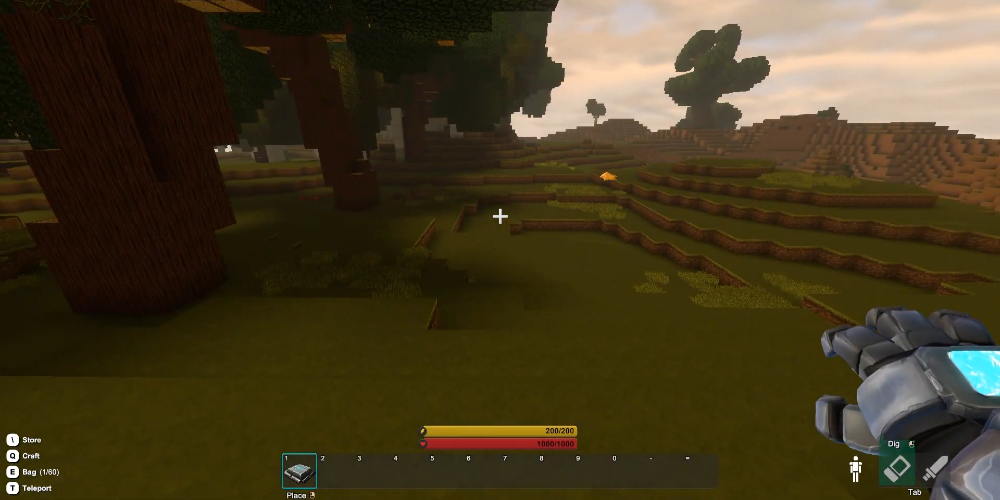
From first release to steady growth: how the game evolved
The first version of the game became available to Steam users in August 2014 in early access form. This was an important stage: the developers focused on gradually expanding the content, collecting community feedback, and refining the core mechanics. For sandbox games, this path is quite common, because players quickly find weak points in balance, building, world exploration, and the survival system.
Later, the game received a full release, and with it came a clearer structure for updates and versioning. This matters to players, because in projects like this, it is after release that the perception of the game changes: an early experiment turns into a product with clearer rules, greater stability, and long-term support. A new version structure is usually needed for exactly this reason — to separate major updates, bug fixes, and technical changes without confusing the community.
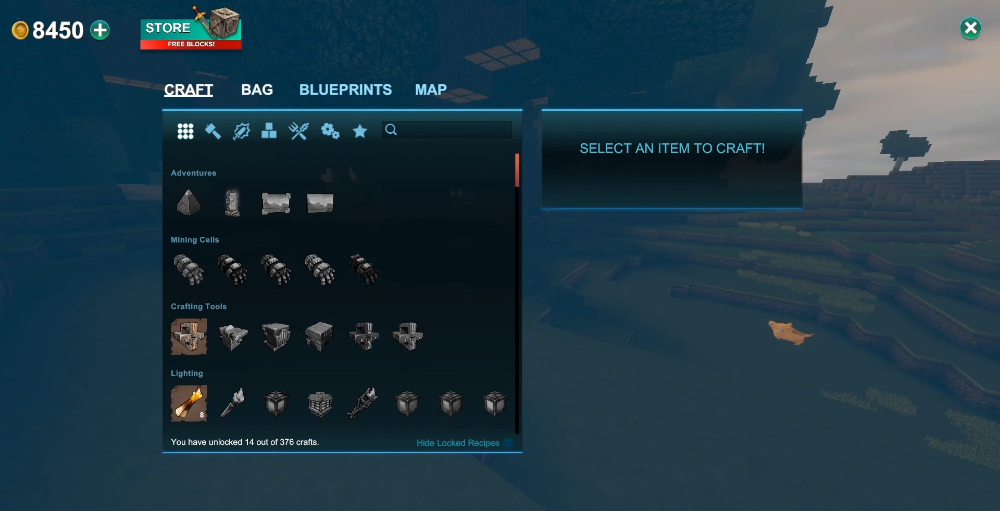
Why the version system became an important part of the game’s development
For games like Creativerse, changing the version system is not just a technical detail. It is a way to show that the project is maturing. In the early stages, updates often come out chaotically: something gets added, something gets fixed, something gets removed. But when a game develops over years, players need to understand where there is a major update, where there are balance changes, and where there is just a regular patch.
The reasons for such changes are usually simple. First, developers need a more convenient way to plan content releases. Second, players can more easily follow new features and understand how strongly a patch affects the world, servers, and compatibility. Third, it reduces confusion in the community, especially if part of the audience has been playing for a long time while another part has just arrived. The effect on players is direct: the clearer the update structure, the easier it is to return to the game after a break and evaluate exactly what has changed.
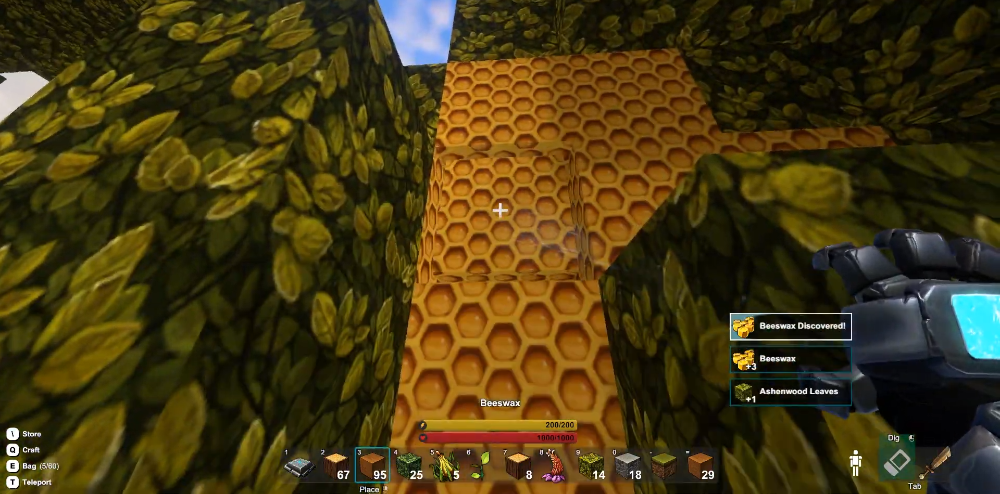
On the same wavelength: what connects two popular sandbox games
The main similarity is obvious: both games are built around resource gathering, crafting, building, and world exploration. The player starts with basic materials, then unlocks new recipes, improves tools, and gradually moves into more dangerous areas. In this sense, the project really is close to the leading sandbox game of the genre and easy to understand for anyone who enjoys this kind of experience.
There are other shared features as well: procedural world generation, an emphasis on creativity, the ability to build both simple houses and massive projects, and the chance to explore caves, biomes, and rare resources. For fans of the genre, stepping into this sandbox usually does not feel shocking: the basic logic is familiar from the very first minutes.
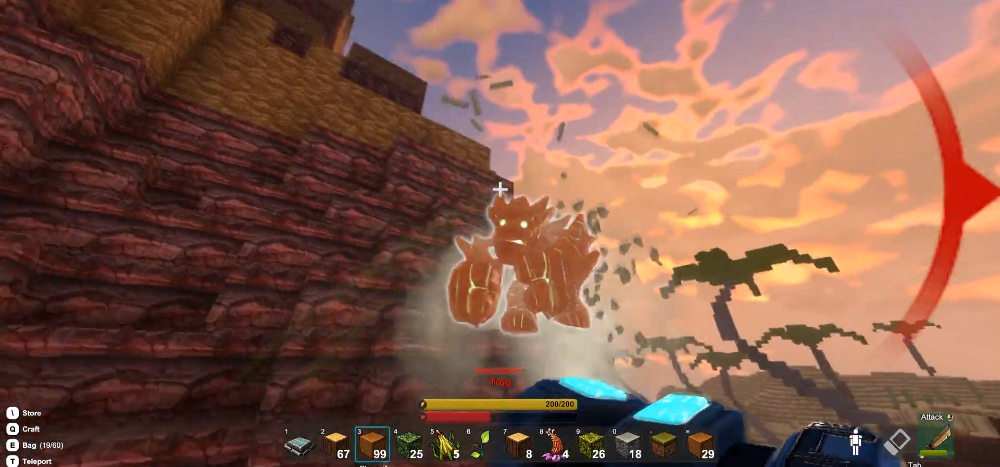
Where the similarity ends: the game’s main differences
But there are plenty of differences too. This sandbox looks brighter and more «polished»: its visual style feels more modern, and its interface is more beginner-friendly. The building system is more convenient in several ways, because the project offers tools that make it easier to create complex structures. For those who enjoy building in particular, rather than just surviving, that is a major advantage.
Another difference is the progression structure. Here, guided progression through recipes, stations, and content unlock stages feels stronger. In the famous sandbox, there is usually more freedom without rigid boundaries, while this project at times noticeably pushes the player forward. Because of this, one part of the audience sees the game as more accessible and understandable, while another sees it as less free.
Final look: what makes Creativerse appealing and how it follows its own path
This is not a replacement for the iconic block-based sandbox, but an alternative take on the genre. The game entered early access in 2014, developed through updates, and over time received a clearer version system, which helped make life easier for both developers and players. At the same time, it preserved what matters most: room for creativity, exploration, and cooperative play.
If you enjoy block-based sandbox games but want to try something familiar with a more modern visual style and a different pace of progression, this game may interest you. And what do you think: is it an independent sandbox with a distinct identity, or still a project that relies too heavily on the ideas of the genre leader?
- publishedMceadmin
(Google Ads) Privacy Policy and Terms of Use


