Introducing Sulfur Spikes: The Highlight of Minecraft 26.2 Snapshot 3
- Android: 8,0+🕣 Updated
- CategoryInstructions
![Introducing Sulfur Spikes: The Highlight of Minecraft 26.2 Snapshot 3]()

Minecraft continues to evolve and delight fans with fresh ideas. In the latest test update, 26.2 Snapshot 3, the developers introduced — Sulfur Spikes. If you enjoy exploring deep dungeons or building clever traps, this addition will surely catch your attention. Let’s dive into what these blocks are and how they will change our underground adventures.
Why did the developers add Sulfur Spikes?
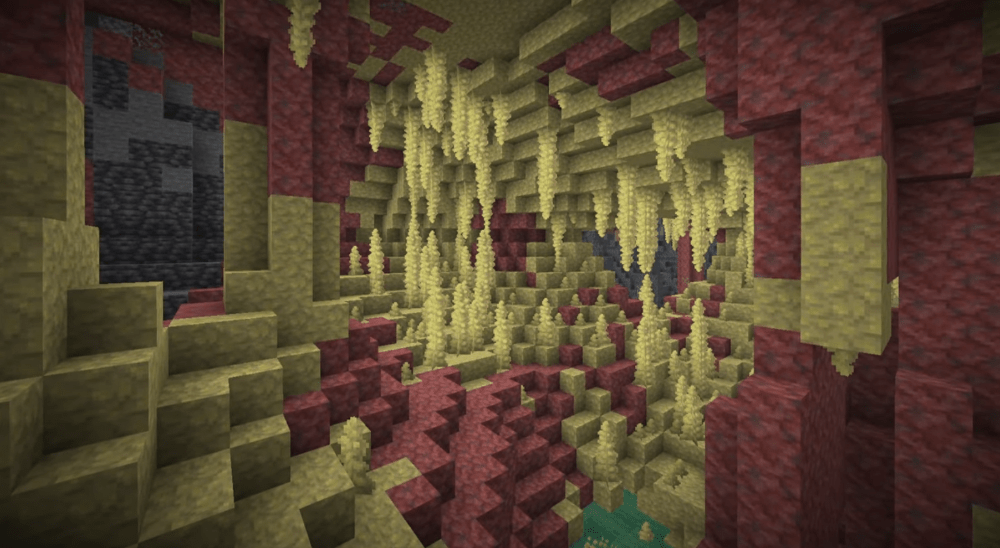
For a long time, the game’s underground world needed more variety and additional sources of danger. The new sulfur biomes required unique details to make exploration more atmospheric and unpredictable. Adding Sulfur Spikes addresses several issues. First, they significantly enhance the visual appeal of sulfur caves, making them more realistic and intimidating. Second, they provide players with entirely new tools for creating defensive mechanisms and automated farms.
What are Sulfur Spikes?
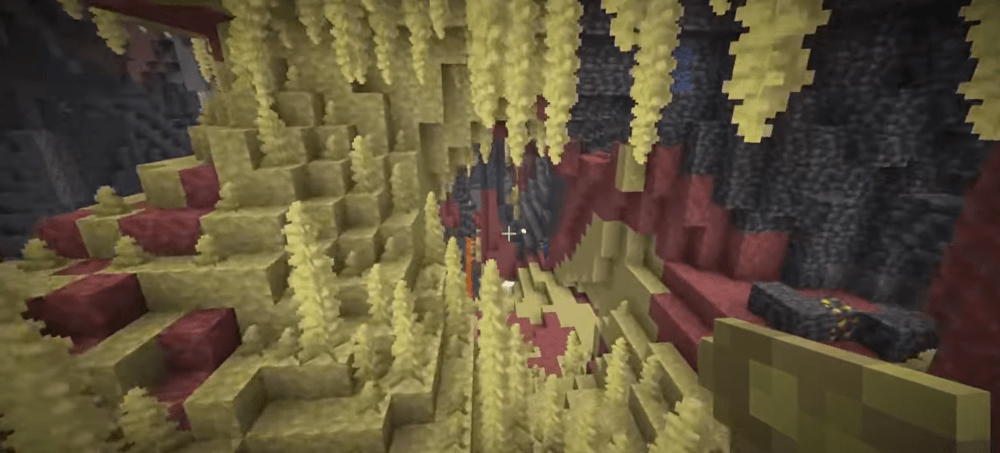
Structurally, Sulfur Spikes resemble the well-known dripstone blocks: both types belong to drip formations and can form stalactites and stalagmites depending on placement. Both blocks naturally occur in caves, but dripstone primarily grows in stalactite caves, while Sulfur Spikes appear only in the new sulfur biomes and exclusively on sulfur blocks. Visually and mechanically, they are similar, but Sulfur Spikes have unique properties that set them apart from classic dripstone — their texture and atmosphere better reflect the characteristics of sulfur caves, and they become a key element of a new type of underground environment.
The shape of the spike depends on where you place it:
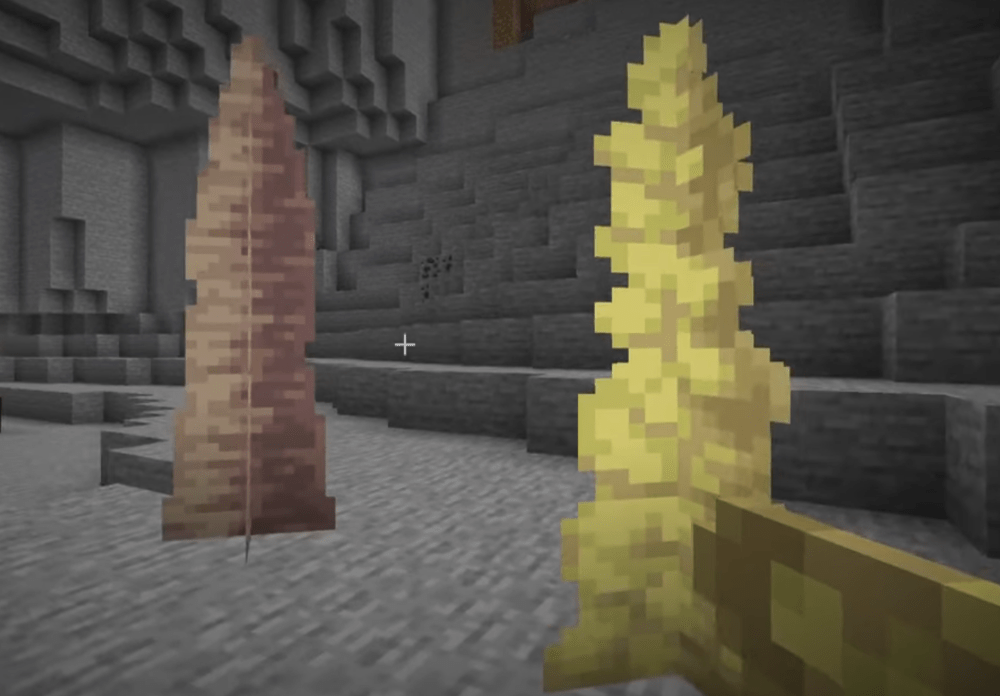
- Placing the block on the ceiling creates a sharp stalactite hanging downward.
- Placing it on the floor grows a stalagmite pointing upward.
How the new system works and how to use it
The developers have given these new blocks excellent interactivity. You can freely stack Sulfur Spikes on top of each other to make a stalactite or stalagmite longer. If you connect two formations growing toward each other, they merge into a single column — a stalagnate. This looks stunning and is perfect for decorating underground bases.
But the most important aspect lies in their physics and damage mechanics. Sulfur Spikes obey the laws of gravity and logic:
- If you break the block supporting a stalagmite, it will instantly collapse.
- If you remove the support of a stalactite on the ceiling, it will fall.
- A falling stalactite deals significant damage to any entity it lands on.
- If a player or mob falls directly onto a stalagmite, they will also take serious damage.
Additionally, you don’t need to get close to destroy them. If you throw a trident at a Sulfur Spike, the formation will shatter spectacularly. This allows you to safely clear paths in dangerous sulfur caves from a distance.
Impact on gameplay
These drip blocks open up vast creative possibilities. Now we can create deadly moats to protect our homes by simply lining the bottom with sulfur stalagmites. And stalactites hanging from the ceiling become the perfect foundation for falling traps that can be activated remotely by breaking the support block.
The 26.2 Snapshot 3 brought us an excellent and versatile tool. Sulfur Spikes will make mining adventures more thrilling and architectural projects bolder. What do you think of this addition? Have you already thought of how to use Sulfur Spikes for the perfect trap on your server? Share your ideas and impressions in the comments!
- publishedMceadmin
(Google Ads) Privacy Policy and Terms of Use